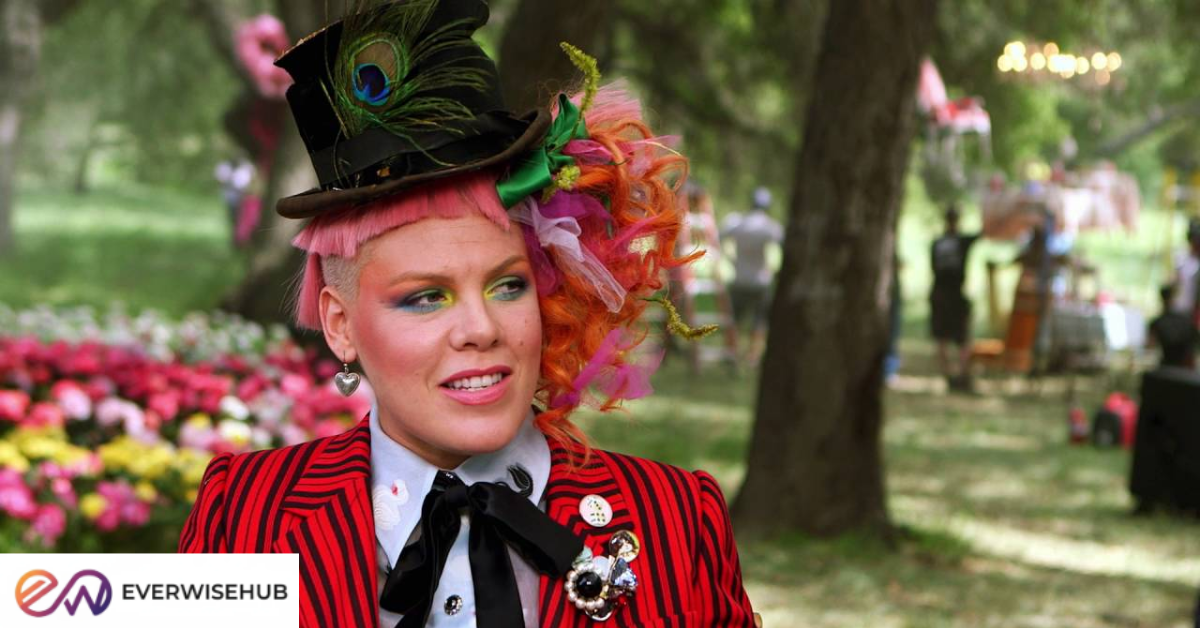
The magical world of pink Alice in Wonderland has become one of the most charming and visually captivating trends inspired by classic literature. Blending the whimsical fantasy of Alice’s Adventures in Wonderland with soft pink palettes, modern fashion, and dreamy digital art, this aesthetic has captured the imagination of fans across fashion, décor, and pop culture.
Originally written by Lewis Carroll in the nineteenth century, the story of Alice exploring a surreal wonderland filled with curious characters has inspired countless artistic interpretations. Today, creators, designers, and social media communities have embraced a softer, more romantic vision of Wonderland by highlighting pink tones, pastel elements, and elegant storytelling visuals.
The pink Alice in Wonderland aesthetic transforms the classic fantasy into a modern visual experience that feels nostalgic, playful, and stylish. From themed fashion shoots to bedroom décor and viral social media edits, this trend continues to evolve while keeping the original charm of Alice’s curious adventure alive.
The Origins of the Alice in Wonderland Fantasy
The roots of the pink Alice in Wonderland trend come from the timeless influence of Lewis Carroll’s literary masterpiece. First published in 1865, the novel introduced readers to a dreamlike world where logic bends, animals speak, and imagination reigns.
Alice’s iconic blue dress, white apron, and curious personality became cultural symbols. Over time, filmmakers, artists, and fashion designers began reinterpreting the story in creative ways. While traditional depictions emphasized blue tones and Victorian inspiration, modern interpretations often introduce pastel pink hues to create a softer, romantic atmosphere.
Pink symbolizes fantasy, innocence, and creativity. When applied to Wonderland imagery, it adds a dreamy quality that feels both nostalgic and contemporary.
The Rise of the Pink Alice in Wonderland Aesthetic
In the digital era, aesthetics evolve quickly through platforms like Instagram, Pinterest, and TikTok. The pink Alice in Wonderland concept gained popularity as artists and creators began experimenting with pastel fantasy themes.
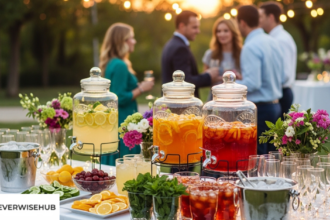
Soft pink tea parties, rose-colored playing cards, and whimsical garden scenes began appearing in photo edits, fashion editorials, and digital artwork. These reinterpretations transform Wonderland into a pastel dreamscape filled with delicate roses, glowing mushrooms, and surreal pink landscapes.
This aesthetic resonates with younger audiences because it blends fantasy storytelling with modern visual culture. It also aligns with broader pastel aesthetic trends that emphasize cozy, whimsical, and visually pleasing imagery.
Fashion Inspired by Pink Alice in Wonderland
One of the biggest influences of the pink Alice in Wonderland trend appears in fashion. Designers often reinterpret Alice’s classic outfit using blush tones, lace fabrics, and vintage silhouettes.
Pink dresses inspired by Alice frequently feature puff sleeves, ribbon bows, and delicate embroidery. These designs maintain the playful innocence of the original character while introducing a romantic twist.
Fashion influencers sometimes style these outfits with tea-party accessories such as lace gloves, pearl jewelry, and whimsical headbands. The result feels like stepping into a fairytale garden where elegance meets fantasy.
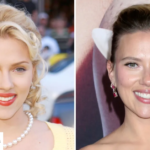
The influence of Wonderland aesthetics can even be seen in celebrity-inspired looks. Many fashion enthusiasts draw parallels between whimsical pastel styles and the elegant transformations seen in stars like Scarlett Johansson during red carpet evolution topics such as scarlett johansson before and after, where style reinvention often captures public fascination.
Pink Wonderland in Interior Design
Interior design has also embraced the pink Alice in Wonderland theme. Bedrooms, cafés, and event spaces are increasingly decorated with pastel Wonderland elements.
Designers use pink roses, vintage clocks, oversized teacups, and whimsical wall art to recreate the surreal environment of Wonderland. Soft lighting and pastel furniture help create a dreamy ambiance that feels both magical and cozy.
The popularity of fantasy-inspired décor has grown significantly in recent years. Studies in consumer design trends show that nostalgic themes from literature and film often drive interior styling choices because they evoke emotional comfort and imagination.
A pink Wonderland room often feels like a storybook brought to life, combining elegance with playful curiosity.
Social Media and Viral Wonderland Trends
The internet has played a major role in spreading the pink Alice in Wonderland aesthetic. Social media creators frequently produce fantasy-themed photo shoots, short videos, and edits inspired by the story.
These visuals often include pastel forests, pink teacups, heart-shaped cakes, and dreamy costumes that reinterpret the classic Wonderland characters.
Memes and pop culture references also contribute to the trend’s growth. Viral humor surrounding celebrities like Ana de Armas in online culture, such as the widely shared ana de armas meme, shows how internet creativity merges fantasy storytelling with modern digital humor.
Similarly, aesthetic edits featuring Wonderland themes often incorporate cinematic visuals, surreal transitions, and pastel fantasy worlds.
The Influence of Celebrities and Pop Culture
Pop culture strongly shapes aesthetic trends, including the pink Alice in Wonderland movement. Celebrities frequently influence fashion styles, visual storytelling, and beauty trends that fans replicate online.
For instance, discussions about beauty transformations such as margot robbie plastic surgery often trend across entertainment media, reflecting society’s fascination with appearance and reinvention. These cultural conversations influence how people approach fantasy aesthetics, styling, and character reinterpretations.
Similarly, beauty topics like zendaya teeth often appear in discussions about celebrity confidence and evolving public image. Stars like Zendaya inspire fashion-forward audiences who blend elegance with playful creativity, something that aligns perfectly with the Wonderland aesthetic.
The crossover between celebrity culture and fantasy styling helps trends like pink Alice in Wonderland gain broader attention across fashion, beauty, and entertainment communities.
The Psychology Behind Pink Fantasy Aesthetics
The color pink plays a powerful psychological role in why the pink Alice in Wonderland aesthetic feels so appealing.
Pink is commonly associated with warmth, kindness, creativity, and imagination. In visual storytelling, it often represents dreamlike environments and gentle fantasy worlds.
When combined with the surreal elements of Wonderland, pink amplifies the magical feeling of stepping into an alternate reality. This emotional connection explains why pastel fantasy themes often trend strongly in digital art and design.
Psychologists studying visual perception note that soft colors tend to create feelings of calm and comfort. That emotional response makes the pink Wonderland aesthetic particularly appealing in modern times when people often seek escapism through art and design.
International Interest and Online Searches
Interestingly, online search trends show that audiences from many countries explore topics connected to pop culture, aesthetics, and celebrities simultaneously.
For example, German-language searches such as potthoff ehemann lisa maria potthoff scheidung often appear in entertainment discussions surrounding the German actress Lisa Maria Potthoff. These trending topics highlight how global audiences explore entertainment news, celebrity stories, and artistic trends in parallel.
While these topics differ from the Wonderland aesthetic itself, they demonstrate how modern internet culture blends literature, celebrity fascination, and digital creativity into a shared cultural experience.
Art and Digital Creativity in Pink Wonderland
Digital artists have embraced the pink Alice in Wonderland theme in extraordinary ways. Illustrators frequently redesign iconic Wonderland scenes with pastel forests, glowing pink mushrooms, and rose-covered castles.
Many artists experiment with surreal color palettes where pink skies replace traditional blue landscapes. These interpretations create an atmosphere that feels dreamlike and slightly surreal, staying true to the spirit of Wonderland.
Online art communities often celebrate these creations because they combine nostalgia with modern visual storytelling. The trend also highlights the importance of creative reinterpretation in keeping classic literature relevant for new generations.
Why Pink Alice in Wonderland Continues to Trend
The continued popularity of pink Alice in Wonderland comes from its ability to merge classic storytelling with modern aesthetics.
The original story already contains surreal imagination, curious characters, and playful logic. When combined with pastel design trends and social media creativity, the result becomes visually irresistible.
Fashion lovers, interior designers, and digital artists all find inspiration in the same whimsical universe. The adaptability of Wonderland ensures that each generation can reinterpret the story through its own artistic lens.
The pink aesthetic simply adds a softer, more romantic dimension to a world that was already full of wonder.
FAQs
What is the pink Alice in Wonderland aesthetic?
The pink Alice in Wonderland aesthetic is a modern reinterpretation of the classic story that uses pastel pink colors, dreamy visuals, and whimsical fashion to create a softer fantasy style inspired by Wonderland.
Why is Alice in Wonderland still popular today?
The story remains popular because it celebrates imagination, curiosity, and surreal adventure. These timeless themes allow artists and creators to reinterpret the story in new and visually exciting ways.
Where is the pink Wonderland aesthetic most commonly seen?
It appears frequently in fashion photography, themed interior design, digital art, and social media content that embraces pastel fantasy styles.
Is the pink Alice aesthetic connected to modern pop culture?
Yes. Pop culture trends, celebrity fashion inspiration, and internet creativity often merge with fantasy themes, helping the pink Wonderland aesthetic gain attention among modern audiences.
Conclusion
The pink Alice in Wonderland aesthetic is more than just a visual trend. It represents a creative reinterpretation of one of the most beloved fantasy stories ever written. By blending pastel colors, modern fashion, and digital artistry, this aesthetic brings Wonderland into the contemporary world.
From fashion and interior design to social media creativity, the pink Wonderland theme continues to inspire imagination across cultures. It reflects our enduring love for fantasy stories that allow us to escape everyday reality and step into magical worlds.
As long as creativity and curiosity remain part of human storytelling, the dreamy charm of pink Wonderland will continue to enchant new audiences.