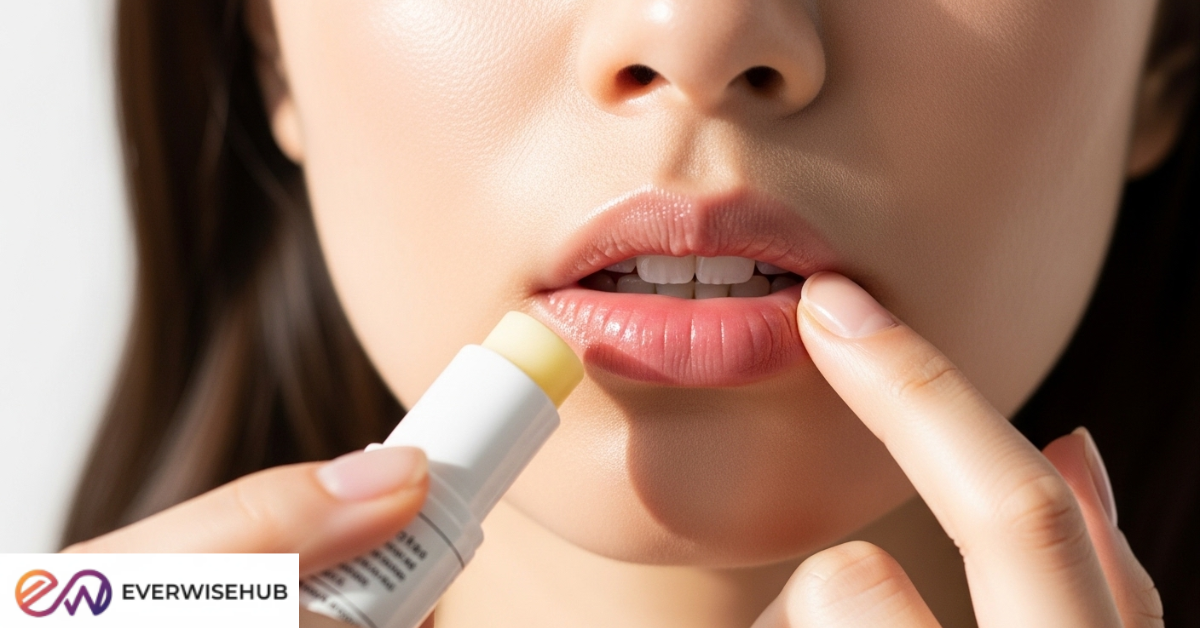
Dry, chapped lips can be uncomfortable, painful, and difficult to manage. Many people struggle with cracked lips during colder months, but dryness can occur year-round due to dehydration, sun exposure, harsh weather, or certain skincare products. Using the best lip balms for dry lips can help restore moisture, repair damaged skin, and keep lips soft and healthy.
Lip balms are designed to protect the delicate skin of the lips, which lacks oil glands and therefore dries out more easily than other areas of the skin. A high-quality lip balm not only hydrates but also locks in moisture and shields lips from environmental damage.
In this comprehensive guide, we will explore how lip balms work, the ingredients that truly help dry lips, and how to choose the right product for your needs. By understanding what makes an effective lip balm, you can prevent dryness and maintain smooth, comfortable lips all year long.
Why Lips Become Dry and Chapped
Before choosing the best lip balms for dry lips, it helps to understand why lips dry out in the first place. The skin on the lips is thinner and more sensitive than other parts of the body. Unlike regular skin, lips do not have oil glands that naturally produce moisture.
Several common factors contribute to dryness.
Weather Conditions
Cold weather and low humidity are among the most common causes of chapped lips. During winter, dry air removes moisture from the skin. Strong winds can also worsen the problem by increasing moisture loss.
Hot climates can be equally damaging. Sun exposure can dry and burn lips, especially without proper protection.
Dehydration
When the body lacks enough water, the skin often shows the first signs. Lips may become tight, flaky, or cracked when hydration levels are low.
Frequent Lip Licking
Although licking lips may seem helpful, saliva actually evaporates quickly and leaves lips even drier than before.
Irritating Ingredients
Some lip products contain fragrances, alcohol, or menthol that can irritate sensitive lips. These ingredients may create a temporary cooling sensation but can worsen dryness over time.
Understanding these causes helps highlight why choosing the best lip balms for dry lips is important for long-term lip health.
How Lip Balms Help Repair Dry Lips
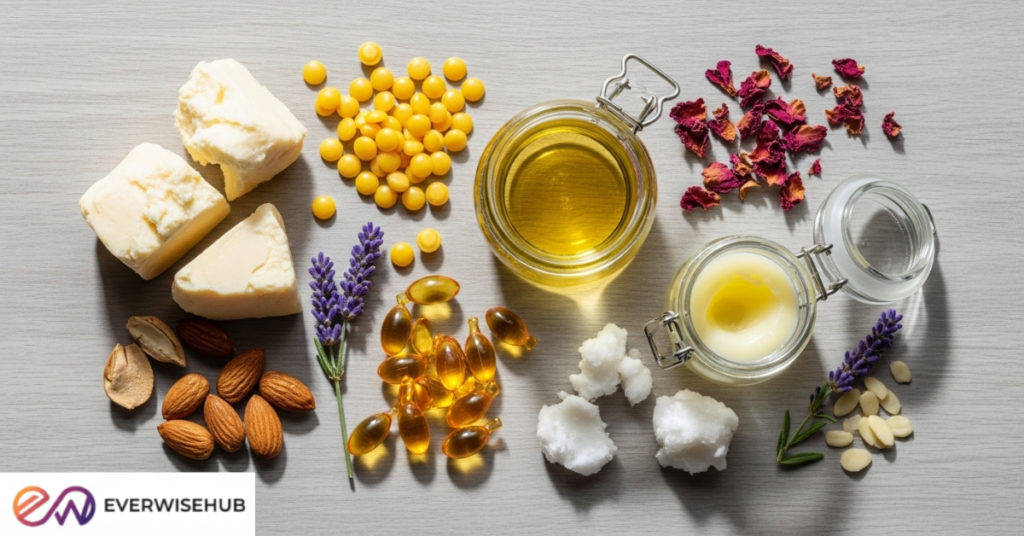
Lip balms work by combining moisturizing and protective ingredients. These ingredients create a barrier that prevents moisture loss while helping the lips heal.
Most effective lip balms contain three types of ingredients.
Humectants
Humectants attract moisture to the skin. Ingredients such as glycerin, honey, and hyaluronic acid help draw water into the lips.
Emollients
Emollients soften and smooth the skin. Shea butter, cocoa butter, and natural oils help repair damaged skin and improve texture.
Occlusives
Occlusive ingredients create a protective barrier that locks in moisture. Beeswax, petroleum jelly, and lanolin are commonly used for this purpose.
The best lip balms for dry lips typically combine all three types of ingredients to provide maximum hydration and protection.
Key Ingredients to Look for in Lip Balms
Not all lip balms are created equal. Some provide temporary relief while others deliver deep and lasting hydration. When selecting a lip balm, certain ingredients stand out for their effectiveness.
Shea Butter
Shea butter is widely used in skincare due to its rich moisturizing properties. It contains fatty acids and vitamins that nourish and repair dry skin.
Beeswax
Beeswax creates a protective layer that seals in moisture. It also helps lip balms maintain a smooth and stable texture.
Coconut Oil
Coconut oil is known for its soothing and hydrating qualities. It absorbs easily and helps soften rough lips.
Vitamin E
Vitamin E acts as an antioxidant that supports skin repair. It also helps protect lips from environmental damage.
Hyaluronic Acid
Hyaluronic acid can hold large amounts of water, making it a powerful hydrating ingredient. When included in lip balms, it helps maintain moisture levels throughout the day.
When searching for the best lip balms for dry lips, products containing these ingredients often provide the most noticeable results.
Ingredients to Avoid in Lip Balms
While many ingredients help heal dry lips, some may worsen the problem.
Artificial fragrances can irritate sensitive skin. Alcohol can dry out the lips further by stripping moisture. Menthol and camphor create a cooling sensation but may cause irritation with repeated use.
Choosing lip balms with gentle and nourishing ingredients helps prevent unnecessary irritation and promotes healthier lips.
Choosing the Best Lip Balm for Your Needs
Selecting the best lip balm depends on several factors, including skin sensitivity, climate, and lifestyle.
For Extremely Dry Lips
People with severely cracked lips may benefit from thick, occlusive formulas. Products containing petroleum jelly or lanolin provide intense moisture protection.
For Daily Hydration
Lightweight lip balms with natural oils and butters work well for everyday use. These formulas maintain softness without feeling heavy.
For Sun Protection
Sun exposure can damage lips just like it damages skin. Lip balms with SPF protection help prevent sunburn and long-term dryness.
For Sensitive Skin
Fragrance-free and hypoallergenic lip balms are best for individuals with sensitive lips.
By considering these factors, you can choose the best lip balms for dry lips that match your specific needs.
Natural Lip Balms vs Conventional Lip Balms
Many consumers today prefer natural skincare products, including lip balms. Natural lip balms typically contain plant-based oils, butters, and waxes instead of synthetic ingredients.
These products are often gentle and nourishing, making them a popular choice for people with sensitive skin.
However, conventional lip balms can also be effective, especially those formulated with dermatologically tested ingredients.
The key is to focus on ingredient quality rather than labeling alone. The best lip balms for dry lips are those that provide lasting hydration and protect the delicate lip barrier.
Daily Habits That Improve Lip Health
While lip balms play a crucial role in hydration, daily habits also affect lip health.
Drinking enough water helps maintain overall skin hydration. Gentle exfoliation can remove dead skin cells and improve absorption of lip balm.
Protecting lips from harsh weather is equally important. Wearing a scarf in winter or using SPF lip balm during sunny days helps prevent dryness.
Avoiding frequent lip licking also supports the natural healing process.
Combining these habits with the best lip balms for dry lips can dramatically improve lip comfort and appearance.
Signs Your Lip Balm Is Not Working
Sometimes a lip balm may not provide the expected results. Certain signs indicate that a product may not be suitable.
Lips that remain dry shortly after application may require a stronger formula. A burning or tingling sensation may signal irritation caused by certain ingredients.
Frequent reapplication without improvement may also suggest the lip balm lacks effective moisturizing ingredients.
Switching to a product with proven hydrating components often resolves these issues.
Seasonal Lip Care Tips
Lip care needs often change throughout the year. Understanding these seasonal differences helps maintain healthy lips.
Winter Lip Care
Cold temperatures and indoor heating can cause severe dryness. Using thicker lip balms with protective ingredients helps shield lips from moisture loss.
Summer Lip Care
Sun exposure becomes the primary concern during warmer months. Lip balms with SPF protection are essential for preventing sun damage.
Transitional Seasons
During spring and autumn, moderate hydration and gentle lip care routines help maintain balance.
Regardless of the season, using the best lip balms for dry lips ensures consistent protection and hydration.
How Often Should You Apply Lip Balm
Many people wonder how often lip balm should be used. Dermatologists generally recommend applying lip balm whenever lips feel dry.
For most individuals, applying lip balm two to four times daily is sufficient. Additional applications may be needed during extreme weather conditions.
Applying lip balm before bedtime is especially beneficial. Overnight hydration allows the lips to repair and regenerate more effectively.
The Long-Term Benefits of Using Lip Balm
Regular use of lip balm provides several long-term benefits.
Consistent hydration helps prevent cracking and peeling. Protective ingredients reduce damage caused by environmental factors such as wind and sunlight.
Healthy lips also improve overall facial appearance. Smooth and well-hydrated lips enhance comfort and confidence in daily life.
By choosing the best lip balms for dry lips, individuals can maintain soft, healthy lips year-round.
FAQs
What is the main cause of dry lips?
Dry lips are commonly caused by dehydration, cold weather, sun exposure, and frequent lip licking. The lips lack oil glands, making them more prone to moisture loss.
How do I know if my lip balm is effective?
An effective lip balm should provide lasting hydration, reduce flaking, and leave lips feeling smooth and comfortable.
Can lip balm heal severely cracked lips?
Yes. Lip balms with nourishing ingredients such as shea butter, beeswax, and vitamin E can help repair damaged lips and support the healing process.
Is natural lip balm better for dry lips?
Natural lip balms can be beneficial because they often contain gentle plant-based ingredients. However, effectiveness depends on the quality of ingredients rather than whether a product is labeled natural.
Conclusion
Dry lips are a common issue that can affect people in any climate or season. Fortunately, the right lip balm can provide significant relief and long-term protection.
The best lip balms for dry lips contain a combination of humectants, emollients, and occlusive ingredients that hydrate, repair, and protect the delicate skin of the lips. Ingredients such as shea butter, beeswax, coconut oil, and vitamin E are particularly effective for restoring moisture.
In addition to choosing a high-quality lip balm, maintaining healthy habits such as staying hydrated, protecting lips from harsh weather, and avoiding irritating ingredients can greatly improve lip health.
With the right approach and consistent care, achieving soft, smooth, and healthy lips is entirely possible.