
Introduction
Public health services play a vital role in protecting communities and improving quality of life. The Wake County Health & Human Services, often referred to as the Wake County Health Department, is one of the most important institutions supporting residents’ health in Wake County. Through disease prevention programs, health education, medical clinics, and community outreach, the department works to ensure that people have access to essential health resources.
Located primarily in Raleigh, the Wake County Health Department focuses on improving population health while responding to local medical needs and public health emergencies. The department’s mission is to protect, promote, and improve the health and well-being of every resident in the county.
Understanding how the Wake County Health Department operates and what services it provides can help individuals and families make informed health decisions. From vaccinations and maternal care to food safety inspections and disease prevention programs, the department plays a crucial role in building a healthier community.
Overview of the Wake County Health Department
The Wake County Health Department operates as part of the broader Wake County Health & Human Services system. This organization integrates health services, social services, and community programs under one structure. By combining these resources, the department is able to address health issues from multiple perspectives, including prevention, treatment, and social support.
Public health departments are responsible for protecting large populations rather than focusing solely on individual patients. In Wake County, the department monitors disease outbreaks, manages vaccination campaigns, conducts health inspections, and provides education on issues such as nutrition, mental health, and chronic disease prevention.
The county itself is one of the fastest-growing regions in North Carolina. With a rapidly expanding population, the need for strong public health systems has become increasingly important. The Wake County Health Department responds by expanding clinics, developing outreach programs, and strengthening partnerships with hospitals, schools, and community organizations.
Public Health Services Offered
The Wake County Health Department offers a wide range of public health services designed to meet the needs of individuals, families, and communities. These services cover preventive care, medical treatment, education, and emergency response.
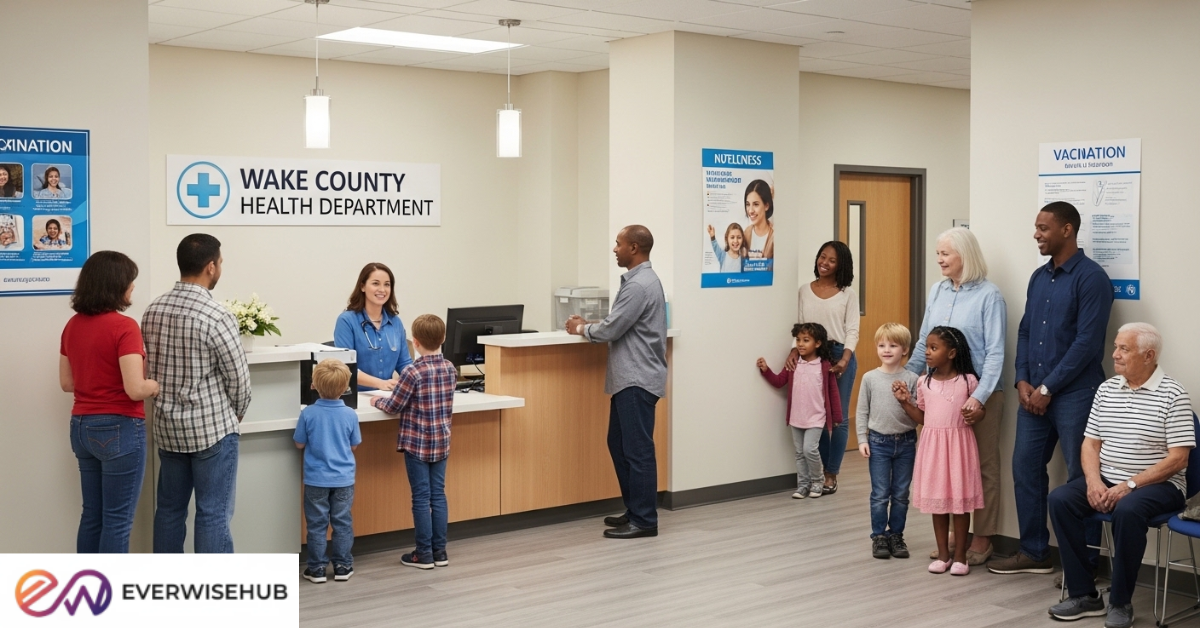
One of the most widely used services is vaccination and immunization programs. The department provides vaccines for children, adults, and travelers. These immunization programs help protect communities from diseases such as influenza, measles, and hepatitis. By maintaining strong vaccination rates, the department prevents outbreaks and keeps residents safe.
Another important area is maternal and child health services. The department supports pregnant women and new parents through prenatal care, nutritional guidance, breastfeeding education, and child health screenings. Early health interventions can significantly improve outcomes for both mothers and children.
The Wake County Health Department also provides sexual health services, including testing and treatment for sexually transmitted infections. Education programs help residents understand prevention strategies and reduce the spread of infections.
Mental health and behavioral support services are also part of the department’s broader mission. Community outreach programs address issues such as substance use, stress management, and access to counseling resources.
Disease Prevention and Health Promotion
One of the core responsibilities of the Wake County Health Department is disease prevention. Preventing illness before it begins is far more effective and cost-efficient than treating it after it develops.
Public health experts at the department monitor local disease trends and track health statistics to identify potential risks. Surveillance systems allow officials to detect outbreaks early and respond quickly to protect the community.
Health promotion programs encourage residents to adopt healthier lifestyles. Educational campaigns often focus on nutrition, physical activity, smoking cessation, and chronic disease prevention. Conditions such as diabetes, heart disease, and obesity can be reduced when people understand the importance of healthy habits.
Community workshops, school programs, and public awareness campaigns are frequently organized to share this information. By educating residents, the department empowers individuals to take control of their health and well-being.
Environmental Health and Safety
Environmental health is another critical responsibility of the Wake County Health Department. Many public health risks originate from environmental conditions such as contaminated water, unsafe food handling, or poor sanitation.
Health inspectors regularly visit restaurants, food vendors, and public facilities to ensure compliance with safety regulations. These inspections help prevent foodborne illnesses and maintain hygiene standards across the county.
The department also monitors drinking water systems, septic systems, and waste disposal practices. Environmental health specialists work closely with local businesses and residents to address potential hazards and maintain safe living conditions.
Another important area involves vector control and disease prevention related to insects and animals. Programs aimed at controlling mosquitoes and other disease-carrying pests help reduce the risk of infections such as West Nile virus.
Community Health Programs
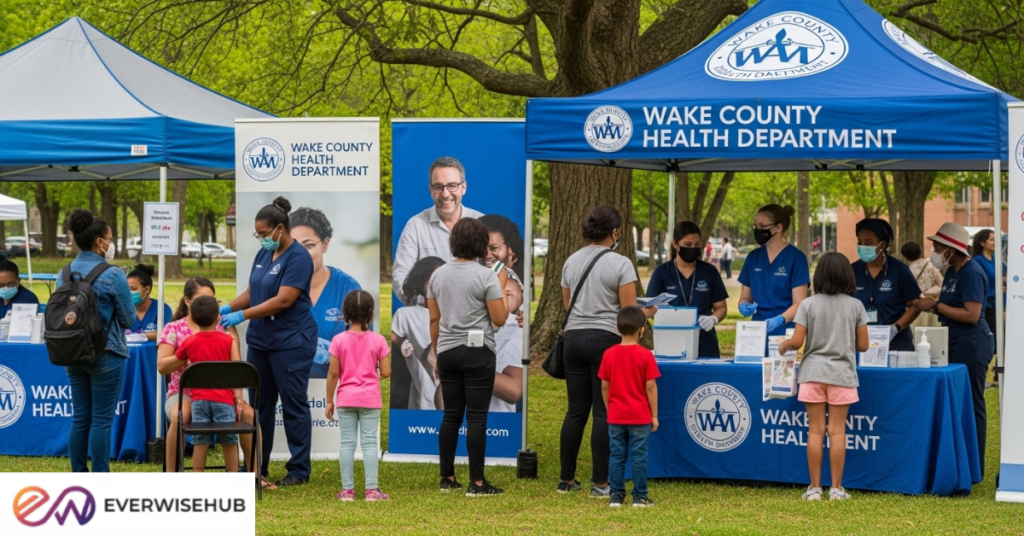
Community outreach is a key strategy used by the Wake County Health Department to reach underserved populations. Health professionals often partner with schools, churches, nonprofits, and local organizations to deliver services directly to communities.
Mobile clinics and community health events allow residents to receive screenings, vaccinations, and health information in convenient locations. These programs are especially important for individuals who may have difficulty accessing traditional healthcare facilities.
Community health initiatives frequently focus on reducing health disparities. In diverse populations, some groups may face barriers such as limited transportation, financial constraints, or lack of health insurance. Outreach programs aim to close these gaps and ensure equal access to essential services.
Education programs are another major component of community health efforts. Workshops and seminars teach residents about topics such as nutrition, physical activity, disease prevention, and mental wellness. When communities are informed, they are better equipped to maintain healthy lifestyles.
Emergency Preparedness and Public Health Response
Public health departments play a critical role during emergencies and disease outbreaks. The Wake County Health Department works closely with hospitals, emergency services, and government agencies to prepare for health crises.
Emergency preparedness planning includes developing response strategies for natural disasters, infectious disease outbreaks, and environmental hazards. During public health emergencies, the department coordinates testing, vaccination campaigns, and public communication efforts.
One of the most visible examples of public health response occurred during the COVID-19 pandemic. Health departments across the United States, including Wake County, organized testing sites, vaccination clinics, and public education campaigns to manage the crisis.
Preparedness efforts continue even when emergencies are not occurring. Regular training, drills, and partnerships ensure that health officials are ready to respond quickly whenever a new threat arises.
Health Data, Research, and Policy Development
Accurate health data is essential for making informed public health decisions. The Wake County Health Department collects and analyzes data related to disease patterns, environmental health risks, and population health trends.
These data insights help officials identify emerging health challenges and allocate resources effectively. For example, if data reveals rising rates of chronic illness in a certain area, targeted prevention programs can be introduced.
Research and collaboration with universities and medical institutions also contribute to policy development. Public health policies often shape regulations related to food safety, sanitation, disease prevention, and healthcare access.
By combining scientific research with community feedback, the department develops strategies that improve health outcomes for the entire population.
Accessing Wake County Health Department Services
Residents of Wake County can access health department services through several local clinics and community centers. Many services are available at reduced cost or on a sliding scale, making healthcare more accessible for families with limited income.
Appointments can often be scheduled online or by phone. Walk-in services are sometimes available for vaccinations, testing, and certain medical consultations.
Public health programs also provide information resources for residents seeking guidance on topics such as nutrition, childcare health, and disease prevention. Educational materials are distributed through community centers, schools, and online platforms.
Accessibility and convenience are priorities for the department. By offering multiple service locations and outreach programs, the Wake County Health Department ensures that residents can obtain the support they need.
The Role of Public Health in Community Well-Being
Public health departments often operate behind the scenes, yet their impact on everyday life is enormous. Safe food, clean water, disease prevention programs, and vaccination campaigns all contribute to healthier communities.
The Wake County Health Department works continuously to improve the quality of life for residents. Through collaboration with healthcare providers, educators, policymakers, and community leaders, the department creates a network of support that promotes long-term wellness.
Investments in public health not only protect individuals but also strengthen the entire community. Healthy populations lead to stronger economies, improved education outcomes, and higher overall quality of life.
FAQs
What services does the Wake County Health Department provide?
The Wake County Health Department offers services including vaccinations, maternal and child health care, disease testing, environmental health inspections, and community health education programs.
Who can access Wake County Health Department services?
Most services are available to all residents of Wake County. Some programs prioritize families with limited income or those without health insurance.
Does the Wake County Health Department provide vaccinations?
Yes, vaccination programs are one of the department’s primary services, covering children, adults, and travel immunizations.
How does the Wake County Health Department protect public health?
The department monitors disease outbreaks, conducts inspections, promotes healthy lifestyles, and provides medical and educational services to prevent illness.
Where is the Wake County Health Department located?
The main administrative offices are located in Raleigh, North Carolina, with additional clinics and service centers throughout Wake County.
Conclusion
The Wake County Health Department plays a vital role in safeguarding the health of residents across Wake County. From immunization programs and maternal health services to environmental inspections and disease prevention initiatives, the department provides essential support for individuals and families.
By focusing on prevention, education, and community outreach, the department helps residents live healthier lives while preparing the county for future health challenges. Public health programs ensure that communities remain resilient, informed, and protected.
As Wake County continues to grow, the importance of strong public health systems will only increase. The Wake County Health Department will remain a central force in promoting wellness, preventing disease, and ensuring that every resident has access to essential health services.