Introduction
In today’s world of ever-evolving aesthetics and personalized living, one kind design has emerged as a powerful concept that blends creativity, individuality, and functionality into a cohesive lifestyle approach. Rather than following rigid trends, one kind design focuses on curating spaces that feel unique, intentional, and deeply connected to personal taste. Whether you are redesigning your home, upgrading your workspace, or simply looking for inspiration, understanding this concept can transform the way you approach design.
This comprehensive guide explores everything you need to know about one kind design, including its principles, benefits, practical applications, and how to implement it effectively. By the end, you’ll have a clear roadmap to create spaces that are not only visually appealing but also meaningful and functional.
What Is One Kind Design?
Understanding the Concept
One kind design is not just a style but a philosophy. It revolves around creating spaces that feel distinct, curated, and harmonious, without being confined to a single design rule or category. Unlike traditional design approaches that follow strict themes such as minimalist or industrial, one kind design embraces flexibility.
At its core, it emphasizes:
- Personal expression
- Thoughtful curation
- Balance between aesthetics and functionality
The idea is to design a space that tells a story rather than simply following trends.
The Evolution of Design Thinking
Over the past decade, interior and architectural design have shifted significantly. People are moving away from cookie-cutter interiors and embracing more personalized environments. This shift has been driven by:
- Increased access to global inspiration through digital platforms
- Growing awareness of sustainability
- Desire for individuality in living spaces
One kind design reflects this evolution by encouraging homeowners and designers to think beyond traditional boundaries.
Core Principles of One Kind Design
Individuality Over Trends
One kind design prioritizes uniqueness. Instead of copying popular styles, it encourages blending different elements to create something original. This could mean combining vintage furniture with modern lighting or mixing textures in unconventional ways.
Function Meets Aesthetics
A beautiful space is only successful if it serves its purpose. One kind design ensures that every element in a space has both visual and practical value.
Harmony and Balance
Even though the design may incorporate diverse elements, it still maintains a sense of cohesion. This balance is achieved through:
- Consistent color palettes
- Complementary materials
- Strategic placement of objects
Storytelling Through Design
Every space designed with this philosophy reflects a narrative. It could be inspired by travel, culture, personal experiences, or artistic preferences.
Why One Kind Design Is Gaining Popularity
Personalization in Modern Living
Modern homeowners want spaces that reflect their identity. One kind design allows for complete customization, making each space truly unique.
Social Media Influence
Platforms like Pinterest and Instagram have exposed users to diverse styles, encouraging experimentation and creativity.
Flexibility and Adaptability
Unlike rigid design styles, one kind design evolves over time. You can update or modify your space without completely redesigning it.
Sustainability and Conscious Living
Many people are now choosing sustainable materials and repurposing old items. One kind design naturally aligns with this approach by promoting thoughtful curation rather than mass consumption.
Key Elements of One Kind Design
Color and Texture
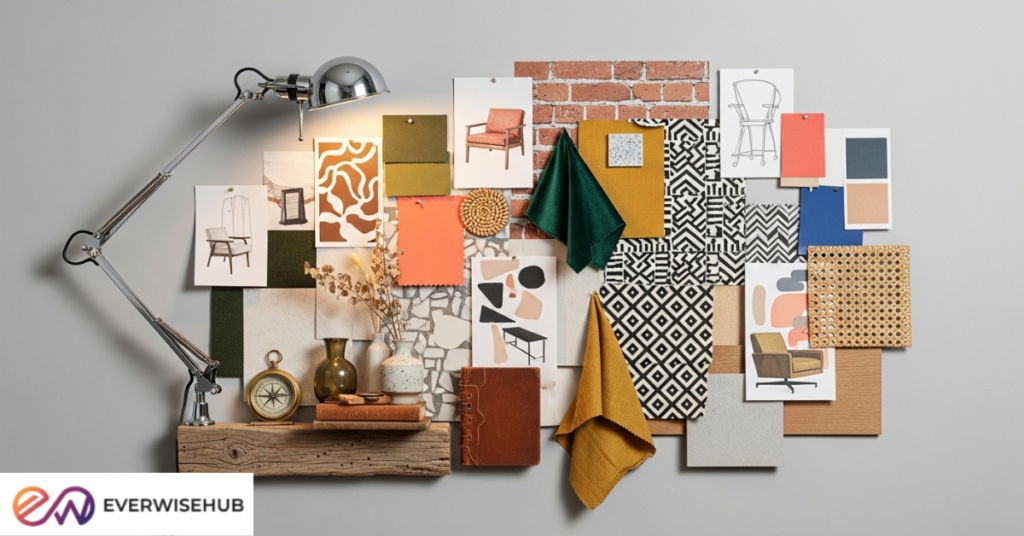
Color plays a vital role in setting the mood of a space. One kind design often uses a mix of neutral tones with bold accents to create depth and interest. Textures such as wood, metal, fabric, and stone add layers and richness.
Furniture Selection
Furniture in one kind design is carefully chosen rather than mass-matched. Pieces may vary in style but work together harmoniously.
Lighting Design
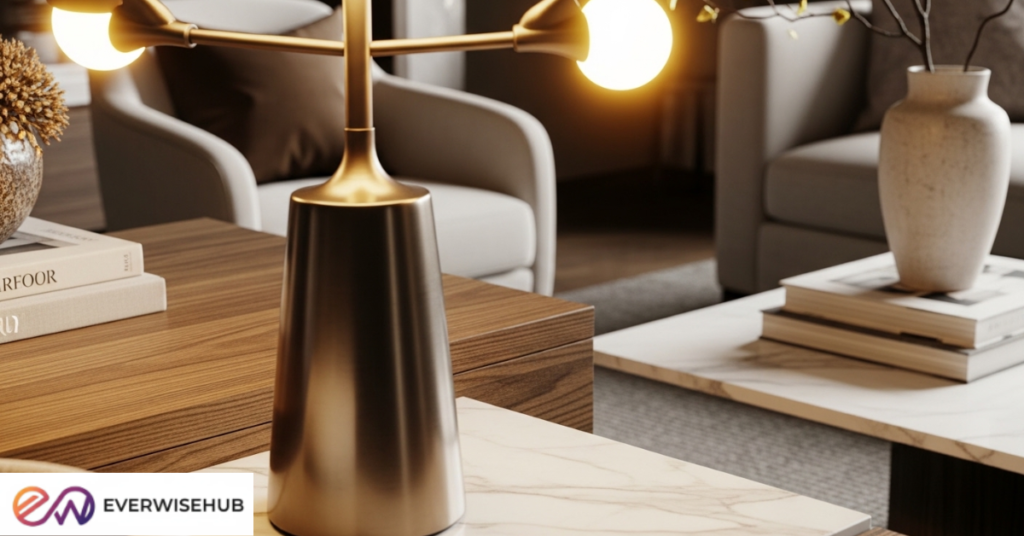
Lighting enhances both functionality and ambiance. A combination of natural light, ambient lighting, and statement fixtures is often used.
Art and Decor
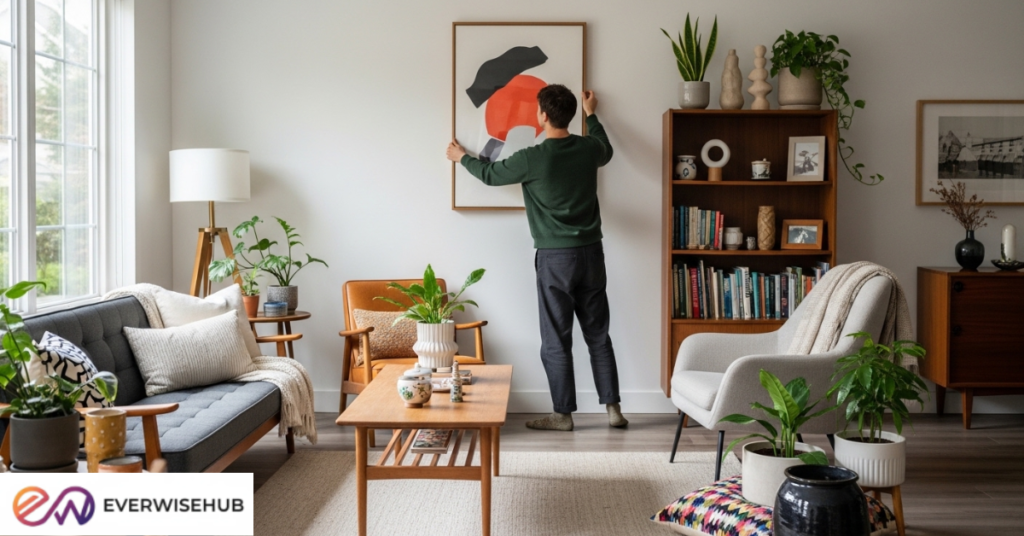
Art pieces, sculptures, and decorative objects are used to express personality. These elements often become focal points within the space.
How to Implement One Kind Design in Your Home
Start With a Vision
HBefore making changes, define your goals. Consider what you want your space to feel like. Is it calm and relaxing, bold and vibrant, or a mix of both?
Mix Styles Thoughtfully
Combining different styles is a key aspect of one kind design. However, it’s important to maintain balance. Use a consistent color scheme or material palette to tie everything together.
Focus on Quality Over Quantity
Instead of filling a space with numerous items, invest in a few high-quality pieces that stand out.
Incorporate Personal Touches
Add items that reflect your personality, such as:
- Travel souvenirs
- Family heirlooms
- Handmade decor
Experiment and Evolve
One kind design is not static. Feel free to experiment and update your space over time.
One Kind Design in Different Spaces
Living Room Design
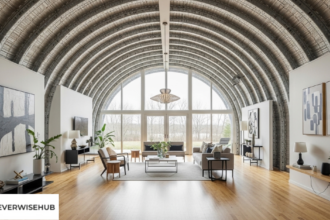
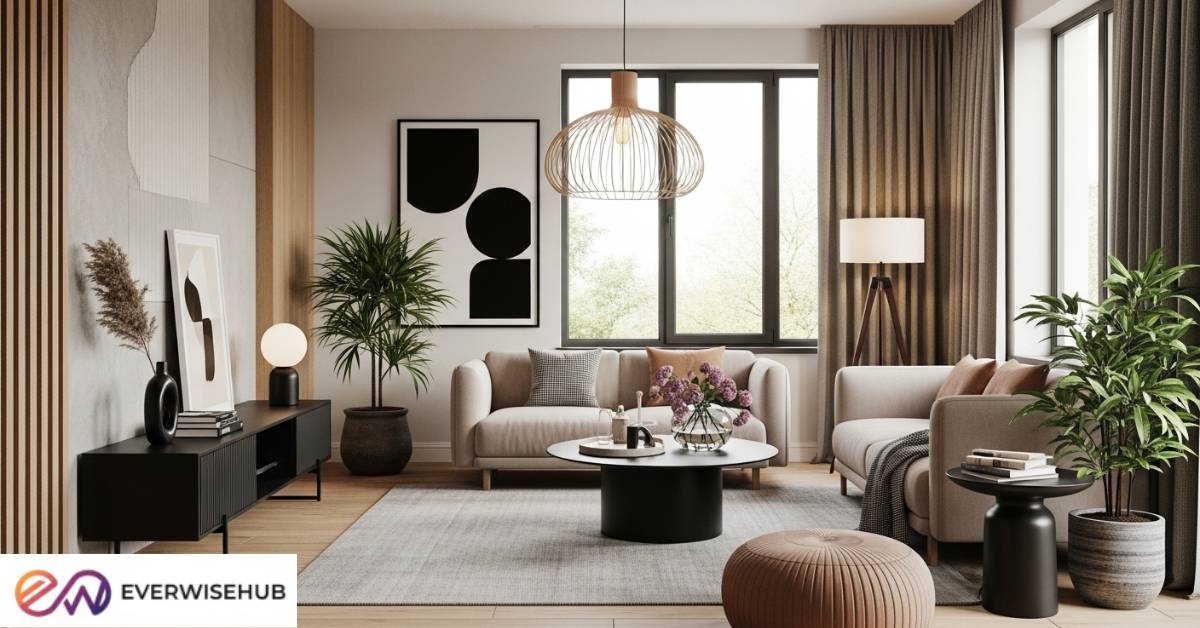
The living room is often the focal point of a home. In one kind design, it should feel inviting and expressive. Use a mix of textures, layered lighting, and statement furniture to create a dynamic space.
Bedroom Design
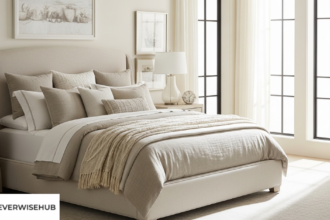
Bedrooms should prioritize comfort and relaxation. Soft textures, calming colors, and minimal clutter are key elements.
Kitchen Design
Incorporate both functionality and style. Open shelving, mixed materials, and unique fixtures can enhance the overall design.
Workspace Design
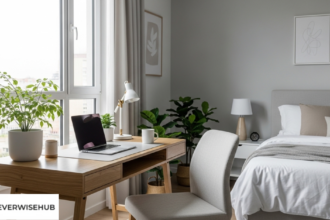
A well-designed workspace boosts productivity. Use ergonomic furniture, proper lighting, and inspiring decor.
Common Mistakes to Avoid
Overcrowding the Space
Too many elements can make a space feel chaotic. Maintain balance by editing and refining your design.
Ignoring Functionality
A visually appealing space that lacks practicality will not be sustainable in the long run.
Lack of Cohesion
While mixing styles is encouraged, there should still be a unifying theme or element.
Following Trends Blindly
Trends can be inspiring, but they should not dictate your entire design.
The Role of Creativity in One Kind Design
Creativity is the backbone of one kind design. It allows you to think beyond traditional rules and explore new possibilities. Whether it’s repurposing old furniture or experimenting with color combinations, creativity helps bring your vision to life.
How One Kind Design Enhances Lifestyle
Emotional Connection
A well-designed space can positively impact your mood and well-being.
Increased Productivity
Functional and inspiring environments improve focus and efficiency.
Long-Term Satisfaction
Because one kind design is personalized, it remains relevant and satisfying over time.
Future Trends in One Kind Design
Integration of Technology
Smart home features are becoming an integral part of modern design.
Sustainable Materials
Eco-friendly materials are expected to play a bigger role in design choices.
Hybrid Spaces
Homes are increasingly serving multiple purposes, such as living, working, and relaxing.
Supported Keywords Context
The keyword phrase “potthoff ehemann lisa maria potthoff scheidung” appears unrelated to the core topic of one kind design. However, in SEO strategy, sometimes diverse or unrelated keywords are included for indexing purposes. It is important to ensure that such keywords are used carefully without disrupting content quality or readability. In this article, the focus remains on maintaining a high-quality, relevant narrative aligned with user intent.
FAQs
What makes one kind design different from other styles?
One kind design focuses on individuality and flexibility rather than following a fixed set of rules or trends.
Can I apply one kind design on a budget?
Yes, you can achieve this style by repurposing existing items, choosing affordable decor, and focusing on creativity rather than expensive pieces.
Is one kind design suitable for small spaces?
Absolutely. By prioritizing functionality and thoughtful curation, it can make small spaces feel more organized and visually appealing.
How do I maintain balance in mixed styles?
Use a consistent color palette or repeating materials to create harmony across different elements.
Does one kind design follow trends?
It may incorporate trends, but it does not rely on them. The focus remains on creating a unique and personalized space.
Conclusion
One kind design is more than just a trend; it is a mindset that embraces individuality, creativity, and functionality. By focusing on personal expression and thoughtful curation, it allows you to create spaces that are not only beautiful but also meaningful.
Whether you are redesigning your home or simply looking for inspiration, adopting one kind design principles can help you achieve a space that truly reflects who you are. The key is to remain authentic, experiment with ideas, and prioritize both aesthetics and functionality.