
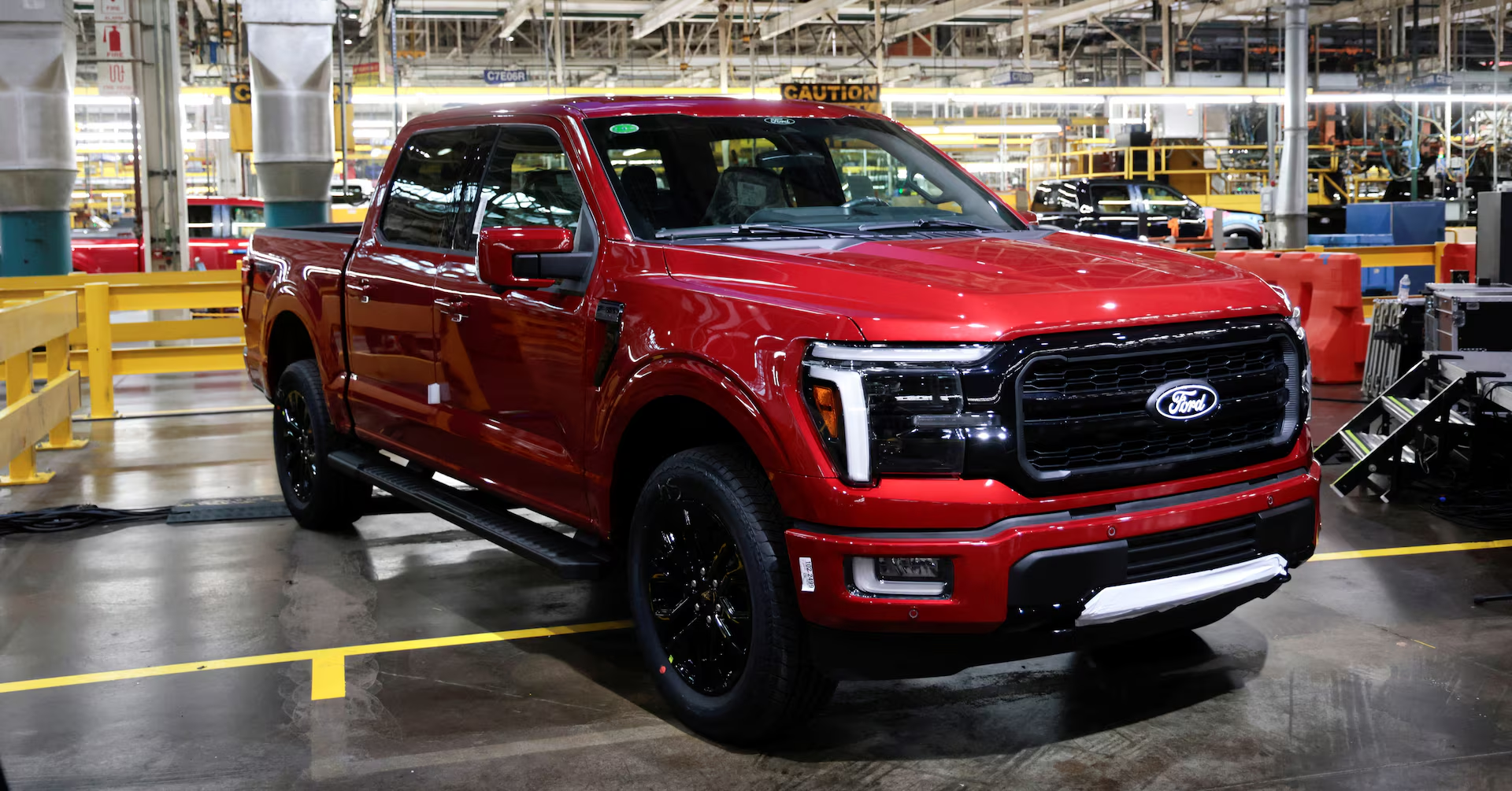
If you own a pickup truck, chances are you’ve felt that slight knot in your stomach when a recall headline flashes across your screen. Trucks are more than vehicles; for many people, they are tools, work partners, and even family haulers. So when news breaks that Ford recalls trucks, it naturally raises questions. Is my truck affected? Is it safe to drive? What should I do next?
This article is written to answer those questions clearly and calmly. No panic, no hype. Just practical information, real-world context, and straightforward guidance. Whether you drive a Ford F-150, Super Duty, Ranger, or an older model, understanding how recalls work and what they mean for you is essential. Let’s break it all down.
Understanding What It Means When Ford Recalls Trucks
A recall is not the same as a failure. This is important to understand right away. When Ford recalls trucks, it means the company has identified a defect or compliance issue that could affect safety, emissions, or performance. In many cases, the issue hasn’t caused any accidents at all. Instead, it’s caught early through testing, customer reports, or regulatory reviews.
Why Recalls Happen in the Auto Industry
Modern trucks are complex machines. They include advanced electronics, safety systems, software, and mechanical components that all have to work together. Because of this complexity, recalls can happen for several reasons:
- Manufacturing defects in parts or assemblies
- Software glitches in infotainment or safety systems
- Faulty sensors or wiring issues
- Brake, steering, or suspension concerns
- Fuel system or engine performance problems
- Airbag or seatbelt malfunctions
When Ford recalls trucks, it is usually in response to one of these issues being identified either internally or by safety authorities.
Common Ford Truck Models Involved in Recalls
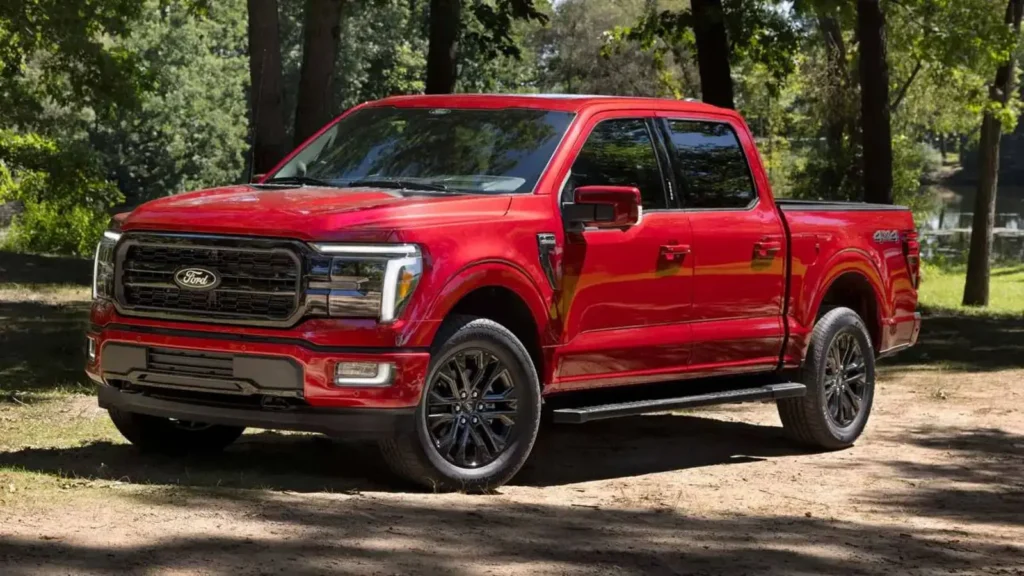
Over the years, recalls have affected various Ford truck models. This does not mean these trucks are unreliable. In fact, many of them are among the best-selling trucks in the world. However, popularity also means more vehicles on the road, which increases the chances of recall notices.
Frequently Mentioned Ford Truck Lines
Some of the most commonly discussed models include:
- Ford F-150
- Ford Super Duty (F-250, F-350, F-450)
- Ford Ranger
- Ford Maverick
- Ford Expedition (truck-based SUV)
When Ford recalls trucks, it often applies to specific production years, engine types, or trim levels rather than the entire lineup.
The Most Common Reasons Ford Recalls Trucks
Safety System Concerns
Safety is the number one reason recalls happen. Issues involving airbags, seatbelts, braking systems, or steering components are taken very seriously. Even a small chance of failure can trigger action.
Engine and Powertrain Issues
Engine stalling, transmission hesitation, or drivetrain defects can also lead to recalls. These problems may affect drivability or long-term reliability, even if they don’t cause immediate danger.
Electrical and Software Problems
Modern Ford trucks rely heavily on software. From lane assist to adaptive cruise control, software bugs can sometimes cause systems to behave unpredictably. When updates alone are not enough, Ford recalls trucks to correct these problems properly.
Emissions and Compliance Issues
Some recalls are issued to meet environmental or regulatory standards. These are often administrative fixes but still require dealer attention.
How Ford Notifies Truck Owners About Recalls
If Ford recalls trucks that include your vehicle, you’ll usually be notified in more than one way.
Notification Methods
- A mailed recall notice sent to your registered address
- Alerts through the Ford owner app or online account
- Notifications from dealerships during service visits
- Public announcements through safety agencies
However, mail can get lost and ownership records may not always be updated. That’s why it’s wise to check your vehicle’s recall status periodically.
How to Check If Your Ford Truck Is Affected
One of the smartest habits any vehicle owner can develop is checking recall status regularly.
What You’ll Need
- Your Vehicle Identification Number (VIN)
- Access to Ford’s owner portal or a dealership
- Basic vehicle information like model year
Once you enter your VIN, you can see if Ford recalls trucks matching your vehicle and whether the recall has already been addressed.
What to Do Immediately After a Recall Announcement
Hearing that Ford recalls trucks does not mean you need to stop driving right away. The recall notice will clearly state the severity of the issue.
Practical Steps for Owners
- Read the recall notice carefully
- Determine whether the recall is urgent or advisory
- Contact your local Ford dealership
- Schedule a repair appointment if needed
- Keep records of completed recall repairs
Most recall repairs are completed free of charge, which is a major benefit for owners.
Are Recalled Ford Trucks Safe to Drive?
This is the question most people ask first. The answer depends on the recall type.
Severity Levels Explained
- Low-risk recalls may involve software updates or minor adjustments
- Moderate-risk recalls may recommend timely repairs
- High-risk recalls may advise limiting driving until fixed
Ford typically makes this clear in recall communications. If you’re unsure, a quick call to a dealership can give you peace of mind.
How Long Do Recall Repairs Take?
Repair time varies based on the issue.
Typical Repair Timelines
- Software updates: under one hour
- Sensor replacements: one to two hours
- Mechanical repairs: half a day or more
- Parts shortages: possible delays
When Ford recalls trucks, dealerships prioritize these repairs, especially for safety-related issues.
Does a Recall Affect Resale Value?
This is a fair concern, especially if you plan to sell or trade in your truck.
The Reality of Recalls and Value
A recall itself does not usually lower resale value. In fact, unresolved recalls can cause more problems than resolved ones. Buyers often feel more confident knowing a known issue has been fixed.
Keeping documentation that shows recall repairs were completed can actually work in your favor.
Ford’s Approach to Quality and Accountability
Despite headlines, Ford remains one of the most established automotive brands in the world. When Ford recalls trucks, it demonstrates accountability rather than avoidance.
Why Recalls Can Be a Positive Sign
- They show active quality monitoring
- They protect drivers and passengers
- They prevent long-term damage to vehicles
- They maintain regulatory compliance
No manufacturer is immune to recalls. What matters is how they handle them.
Ownership Tips During Active Recall Periods
If your truck is under recall, a little planning goes a long way.
Helpful Owner Tips
- Schedule recall repairs early
- Combine recall work with routine maintenance
- Ask about loaner vehicles if repairs take time
- Stay informed about follow-up recalls
- Save all service paperwork
Being proactive reduces stress and ensures your truck stays reliable.
The Emotional Side of Truck Ownership
Trucks are personal. For contractors, farmers, outdoor enthusiasts, and families, a truck is often tied to daily life. So when Ford recalls trucks, it can feel unsettling.
However, recalls are part of responsible ownership. Addressing them promptly keeps you, your passengers, and everyone else on the road safer.
Frequently Asked Questions About Ford Truck Recalls
Are recall repairs really free?
Yes. By law, manufacturers must cover recall repair costs.
Can I ignore a recall?
You can, but it’s not recommended. Ignored recalls can lead to safety risks and future repair costs.
What if I bought my truck used?
Recalls still apply, regardless of ownership history.
Will my insurance be affected?
Typically no, but unresolved safety recalls could complicate claims in rare cases.
Staying Informed as a Ford Truck Owner
The best defense against uncertainty is information. Make it a habit to stay updated, especially if you rely on your truck daily. When Ford recalls trucks, the goal is correction, not criticism.
Modern trucks are stronger, smarter, and more capable than ever. Recalls are simply part of maintaining that standard.
Conclusion
When headlines say Ford recalls trucks, it’s easy to feel concerned. However, a recall is not a judgment on your truck or your decision to buy it. It’s a process designed to keep vehicles safe, compliant, and dependable.
By staying informed, checking your recall status, and acting promptly, you turn a potential worry into a simple maintenance task. In the long run, that’s what responsible ownership looks like.
If you found this guide helpful, share it with other Ford truck owners or leave a comment with your experience. Staying informed helps everyone on the road.