Introduction: One Campaign, Endless Conversations
Some celebrity campaigns pass quietly. Others light up social media for a few days and disappear. And then there are moments like the Bad Bunny Calvin Klein campaign, which somehow managed to dominate fashion blogs, pop culture debates, comment sections, and timelines all at once.
It wasn’t just about underwear. It wasn’t only about celebrity marketing. It felt bigger. Personal. Cultural. Almost disruptive.
People weren’t just sharing the photos; they were talking. About masculinity. About representation. About how fashion brands choose their faces. About how Bad Bunny continues to move differently than everyone else in the room.
So what really happened here? Why did this campaign hit so hard? And why is the internet still obsessed weeks later?
Let’s break it down in a way that feels honest, human, and grounded in what made this moment unforgettable.
The Rise of Bad Bunny as a Cultural Force
Before diving into the Bad Bunny Calvin Klein collaboration, it’s important to understand one thing clearly: Bad Bunny is not just a musician anymore.
He’s a cultural movement.
More Than a Global Music Star
Bad Bunny, born Benito Antonio Martínez Ocasio, didn’t follow the traditional pop star blueprint. He didn’t soften his image for mainstream approval. Instead, he doubled down on authenticity.
Over the years, he’s become known for:
- Blending reggaeton, Latin trap, and experimental sounds
- Challenging gender norms through fashion choices
- Speaking openly about identity, vulnerability, and culture
- Refusing to be boxed into one lane
This matters because Calvin Klein has always aligned itself with people who challenge the norm. That shared DNA is where this campaign truly begins.
Why Calvin Klein Chose Bad Bunny
Calvin Klein is no stranger to bold decisions. From controversial ads in the 90s to redefining minimalist fashion, the brand has always thrived on cultural relevance.
A Strategic, Not Random, Partnership
The Bad Bunny Calvin Klein campaign wasn’t a surprise if you look closely at the brand’s direction.
Calvin Klein has recently focused on:
- Authentic self-expression
- Diversity in identity and body image
- Global influence beyond Hollywood norms
- Cultural credibility, not just celebrity fame
Bad Bunny checks all those boxes.
Moreover, he brings something rare: trust. His audience believes him. When he wears something, it feels chosen, not assigned.
That trust translated directly into the campaign’s success.
The Campaign Visuals That Broke the Internet
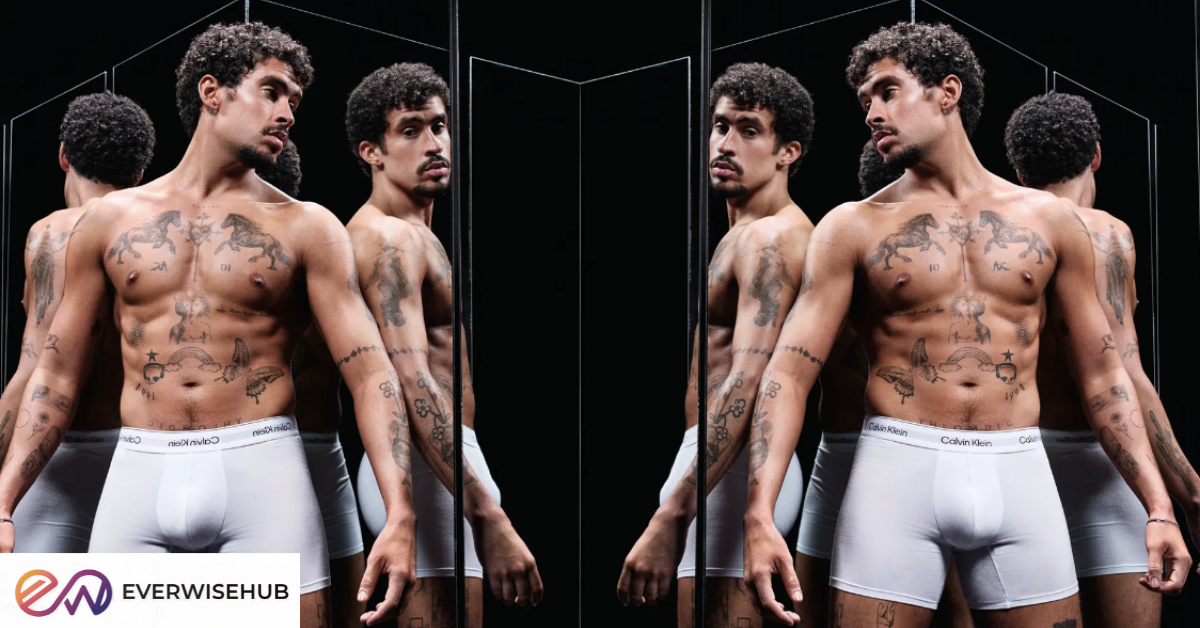
Let’s talk about the photos. Because yes, people noticed the visuals immediately.
But there was more happening beneath the surface.
Minimalism With Meaning
The imagery followed classic Calvin Klein aesthetics:
- Clean backgrounds
- Neutral tones
- Simple styling
- Focus on the body and expression
Yet Bad Bunny’s presence changed the energy completely.
Instead of feeling posed or overly polished, the images felt raw. Comfortable. Confident without being loud.
The Bad Bunny Calvin Klein visuals struck a balance between vulnerability and strength, which is not easy to achieve in fashion photography.
Masculinity, Redefined (Again)
One major reason the campaign resonated is how it challenged traditional masculinity without making it feel forced.
Confidence Without Performance
Bad Bunny has always blurred lines when it comes to gender expression. Painted nails, skirts, pearls, and bold silhouettes are already part of his public image.
In this campaign:
- He didn’t overact masculinity
- He didn’t play into stereotypes
- He simply existed comfortably in his own skin
That quiet confidence spoke louder than any slogan.
For many viewers, especially younger audiences, the Bad Bunny Calvin Klein campaign felt refreshing. It showed that masculinity doesn’t need armor. Sometimes, it just needs honesty.
Representation That Actually Feels Real
Fashion brands talk about representation often. Fewer execute it well.
A Win for Latin Representation
Bad Bunny is unapologetically Puerto Rican. He doesn’t dilute his accent, his roots, or his cultural references.
Seeing him lead a global Calvin Klein campaign mattered because:
- Latin artists are often underrepresented in high-fashion branding
- When included, they’re often stereotyped or sidelined
- This campaign placed Bad Bunny at the center, not the margins
The Bad Bunny Calvin Klein partnership felt like recognition, not tokenism.
Social Media Reaction: More Than Thirst Posts
Yes, the internet thirsted. That’s unavoidable.
But the conversation went deeper.
What People Were Actually Saying
Across platforms, fans and critics discussed:
- Body positivity and realistic male beauty
- Gender fluidity in mainstream fashion
- The evolution of celebrity endorsements
- Why this campaign felt authentic
In addition, many praised Calvin Klein for not over-branding the visuals. The logo didn’t shout. The clothes didn’t distract. The person came first.
That restraint helped the campaign breathe.
Fashion Marketing Done Right
From a digital marketing perspective, the Bad Bunny Calvin Klein campaign is a masterclass.
Why It Worked So Well
Several factors aligned perfectly:
- A celebrity with cultural credibility
- A brand known for bold storytelling
- Timing that matched social conversations
- Visuals that felt organic, not staged
Moreover, Calvin Klein didn’t overexplain the campaign. They let the audience interpret it. That silence invited discussion, speculation, and sharing.
In modern marketing, that’s gold.
Bad Bunny’s Fashion Evolution Over the Years
This campaign didn’t come out of nowhere. It’s part of a larger style journey.
From Streetwear to High Fashion
Bad Bunny’s fashion evolution includes:
- Oversized hoodies and sneakers
- Luxury designer collaborations
- Red carpet risks that challenged norms
- Editorial shoots that blurred art and fashion
By the time the Bad Bunny Calvin Klein campaign launched, audiences were ready. It felt like a natural next step, not a sudden pivot.
Bio Section: Bad Bunny at a Glance
| Detail | Information |
|---|---|
| Full Name | Benito Antonio Martínez Ocasio |
| Date of Birth | March 10, 1994 |
| Age | 31 (as of 2025) |
| Profession | Singer, Rapper, Actor |
| Nationality | Puerto Rican |
| Net Worth (approx.) | $50–60 million |
| Notable Works / Achievements | Multiple chart-topping albums, Grammy wins, global tours, fashion campaigns, cultural influence |
Why the Campaign Feels Different
Some campaigns look good but feel empty. This one didn’t.
Authenticity You Can’t Fake
Bad Bunny didn’t feel like a model pretending to be himself. He felt like a person invited into a space that respected who he already is.
That authenticity is what made the Bad Bunny Calvin Klein campaign stick.
People can sense when something is manufactured. This didn’t feel that way.
Cultural Impact Beyond Fashion
The ripple effects extended beyond style blogs.
A Broader Conversation
The campaign sparked discussions around:
- What modern masculinity looks like
- How brands can evolve responsibly
- Why representation must be intentional
- The power of celebrity alignment done right
In addition, it encouraged other brands to rethink their casting choices. Audiences are watching more closely now.
Is This the Future of Celebrity Campaigns?
If brands are paying attention, they should be.
Lessons Other Brands Can Learn
From the Bad Bunny Calvin Klein success, key takeaways include:
- Choose people who align with your values
- Let authenticity lead creative direction
- Avoid over-polishing human stories
- Trust the audience to interpret meaning
This campaign proves that subtlety can still go viral.
Why Fans Felt Personally Connected
Another underrated element is emotional connection.
It Felt Human
Bad Bunny’s fans don’t just consume his work. They relate to him.
Seeing him in a Calvin Klein campaign felt like:
- A shared win
- A moment of pride
- Proof that staying authentic pays off
That emotional response can’t be engineered. It has to be earned.
Criticism and Debate: Not Everyone Agreed
Of course, not all reactions were positive.
The Pushback
Some critics argued:
- The campaign leaned too heavily on celebrity appeal
- Calvin Klein played it too safe visually
- The conversation overshadowed the product
However, even criticism kept the campaign alive in public discourse. In marketing terms, that’s still impact.
The Long-Term Effect on Bad Bunny’s Brand
This campaign didn’t dilute his image. It strengthened it.
Expanding Without Compromising
The Bad Bunny Calvin Klein collaboration showed that:
- He can move into high fashion without losing credibility
- He doesn’t need to explain himself constantly
- His influence extends beyond music
That balance is rare, and it’s why brands continue to line up.
Conclusion
The internet didn’t obsess over the Bad Bunny Calvin Klein campaign by accident.
It combined:
- Cultural relevance
- Authentic representation
- Smart visual storytelling
- A celebrity who feels real
In a world flooded with ads, this one made people stop scrolling. It made them think, talk, and feel something.
That’s the difference between a campaign people see and a campaign people remember.
Now it’s your turn. Did the campaign resonate with you? Did it change how you see celebrity fashion collaborations? Share your thoughts, start the conversation, and keep the dialogue going.