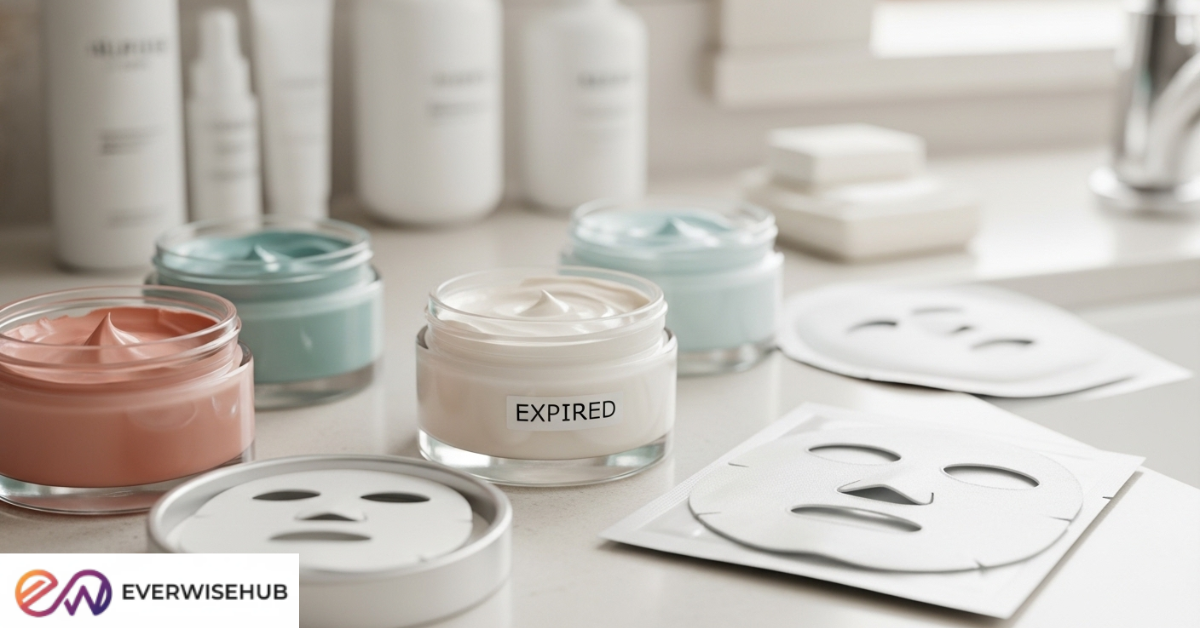
Skincare products often come with expiration dates, but many people still wonder can face masks expire? Face masks are a popular part of skincare routines because they deliver concentrated ingredients that hydrate, cleanse, and rejuvenate the skin. However, like any cosmetic or skincare product, they are not designed to last forever.
Understanding the shelf life of skincare products is essential for maintaining healthy skin. Using an expired product can reduce effectiveness and may even cause irritation, breakouts, or allergic reactions. In this comprehensive guide, we will explore whether face masks expire, how to recognize an expired mask, how long different types typically last, and how to store them properly to maximize their lifespan.
Along the way, we will also discuss related skincare topics and SEO-relevant terms while maintaining natural readability and strong informational value.
Understanding the Shelf Life of Face Masks
To answer the question can face masks expire, it is important to understand how skincare products are formulated. Face masks contain active ingredients such as vitamins, plant extracts, acids, and preservatives. Over time, these ingredients break down due to exposure to air, light, and bacteria.
Most skincare products include preservatives that help prevent microbial growth and maintain product stability. However, preservatives are only effective for a limited period. Once they degrade, bacteria and fungi may grow in the product.
Because of this process, manufacturers assign an expiration date or a “period after opening” symbol on packaging. This indicates how long the product is safe and effective after being opened.
Using skincare products beyond this period can lead to reduced potency or skin irritation. That is why dermatologists emphasize checking product labels before applying anything to your skin.
Why Face Masks Expire Over Time
Many people assume that unopened skincare products can last indefinitely. However, even sealed products slowly degrade.
The primary reasons face masks expire include ingredient breakdown, microbial contamination, and chemical instability. Natural ingredients, especially botanical extracts and essential oils, are particularly sensitive to oxygen and temperature changes.
For example, vitamin C is known to oxidize quickly when exposed to air or light. Clay-based masks can dry out and lose their texture, while sheet masks may experience ingredient separation if stored improperly.
The formulation also plays a role in how long a product remains stable. Masks that contain fewer preservatives or more organic ingredients may have a shorter shelf life compared to synthetic formulas.
These factors explain why the answer to the question can face masks expire is a clear yes.
Typical Expiration Time for Different Types of Face Masks
Not all face masks have the same shelf life. The type of mask and its formulation determine how long it can remain safe and effective.
Clay masks generally last longer because clay is naturally antibacterial and stable. These masks can typically remain usable for one to two years if unopened. After opening, they may last around six to twelve months depending on the formula.
Cream masks often contain oils and active ingredients that can degrade faster. Their shelf life is usually around twelve months after opening.
Sheet masks are usually sealed individually, which helps preserve their ingredients. However, once opened, they must be used immediately. Even unopened sheet masks usually have an expiration date around two to three years from manufacturing.
Peel-off masks often contain polymers that may change consistency over time. If the formula becomes thick, clumpy, or separated, it may no longer be safe to apply.
Understanding these differences helps consumers make better decisions about when to discard skincare products.
Signs Your Face Mask Has Expired
Knowing can face masks expire is only part of the story. Recognizing the signs of expiration is equally important.
One of the most common signs is a change in smell. Skincare products that develop a sour or unusual odor may have undergone bacterial contamination or ingredient breakdown.
Another indicator is a change in texture. A mask that becomes overly thick, watery, or grainy may have lost its original formulation stability.
Color changes are also significant. Ingredients like vitamin C and plant extracts may darken when oxidized. This indicates that the product is no longer functioning as intended.
Skin reactions can also signal that a product has expired. If a mask suddenly causes redness, itching, or burning when it previously worked well, it may be time to replace it.
These warning signs should never be ignored because expired skincare products can compromise skin health.
What Happens If You Use an Expired Face Mask
Many people assume using an expired skincare product is harmless. However, applying expired face masks can lead to several problems.
The most common issue is reduced effectiveness. Active ingredients degrade over time, meaning the mask may no longer deliver hydration, exfoliation, or brightening benefits.
Expired masks may also harbor bacteria. Applying contaminated products to the skin can cause breakouts, infections, or irritation.
In some cases, chemical changes in expired ingredients can trigger allergic reactions. Sensitive skin types are particularly vulnerable to these effects.
For these reasons, dermatologists strongly recommend discarding products once they reach their expiration date.
How to Check If Your Face Mask Is Still Safe
If you are unsure whether a product is expired, there are a few ways to evaluate its safety.
First, check the packaging for an expiration date or a small jar symbol indicating the period after opening. This symbol often shows a number followed by the letter M, which indicates how many months the product remains stable after opening.
Next, observe the appearance and smell of the mask. If anything seems unusual, it is safer to discard it.
Patch testing can also help determine whether a product remains safe. Applying a small amount to a patch of skin on the wrist or behind the ear can reveal potential irritation before using it on the face.
However, if the product clearly shows signs of degradation, patch testing should not be used as a substitute for replacing the product.
Proper Storage to Extend the Life of Face Masks
Storage plays a major role in determining how long skincare products remain effective. Even though can face masks expire is unavoidable, proper storage can slow the degradation process.
Face masks should be stored in cool, dry environments away from direct sunlight. Excess heat and humidity can accelerate ingredient breakdown.
Keeping the lid tightly sealed helps prevent air exposure and bacterial contamination. Using clean hands or a spatula to scoop product can also reduce microbial growth.
Some skincare enthusiasts store certain masks in the refrigerator to maintain freshness. While this is not necessary for every product, it can be beneficial for natural or preservative-free formulas.
These simple habits can help extend the life of skincare products and maintain their effectiveness.
Natural and Organic Face Masks: Do They Expire Faster?
Natural and organic skincare products have gained popularity in recent years. However, many people overlook the fact that these products may expire faster than conventional formulas.
Products made with natural ingredients often contain fewer preservatives. While this appeals to consumers seeking cleaner skincare, it can also reduce shelf life.
Fresh ingredients such as fruit extracts, honey, and botanical oils are particularly sensitive to oxidation and microbial contamination.
Because of this, users should pay close attention to expiration dates when using natural masks. Proper storage and timely usage become even more important.
How Expiration Dates Protect Your Skin
Expiration dates are not simply marketing tactics. They are determined through stability testing conducted by cosmetic scientists.
During testing, products are exposed to different environmental conditions such as heat, light, and humidity. Scientists evaluate how ingredients react over time and determine the point at which the formula begins to degrade.
This process ensures that consumers receive safe and effective products throughout the recommended usage period.
Ignoring these guidelines may compromise the safety and performance of skincare products.
Interestingly, discussions about public figures such as potthoff ehemann lisa maria potthoff scheidung sometimes appear in unrelated online searches due to algorithmic keyword associations. However, such topics have no connection to skincare science or product stability, highlighting the importance of relying on credible sources when researching beauty and health topics.
The Importance of Reading Product Labels
Reading product labels is one of the most effective ways to ensure safe skincare use. Labels provide essential information about ingredients, storage instructions, and shelf life.
Consumers should look for expiration dates, batch numbers, and symbols indicating how long the product lasts after opening.
Understanding these details helps prevent accidental use of expired products.
Additionally, ingredient lists can reveal whether a product contains potentially unstable components such as vitamin C, retinol, or botanical extracts. These ingredients may degrade faster if stored improperly.
Taking a few moments to read labels can make a significant difference in maintaining skin health.
FAQs
Can unopened face masks expire?
Yes. Even sealed skincare products gradually degrade over time. Manufacturers include expiration dates to indicate the period during which the formula remains stable and safe.
How long do face masks last after opening?
Most face masks remain usable for about six to twelve months after opening. The exact timeframe depends on the formulation and storage conditions.
Is it dangerous to use expired face masks?
Expired masks may contain degraded ingredients or bacterial growth, which can cause skin irritation, breakouts, or allergic reactions.
How can I make my face masks last longer?
Store them in a cool, dry place, keep lids tightly closed, and avoid contaminating the product with dirty hands or tools.
Do sheet masks expire faster than other masks?
Sheet masks usually have a similar shelf life when sealed, but they must be used immediately after opening since the ingredients are exposed to air.
Conclusion
So, can face masks expire? The answer is clearly yes. Like all skincare products, face masks have a limited shelf life due to ingredient degradation, microbial contamination, and chemical instability.
Using expired masks can reduce effectiveness and potentially harm the skin. Recognizing signs of expiration such as unusual odor, color changes, and altered texture is essential for maintaining a safe skincare routine.
Proper storage, careful handling, and attention to expiration dates can help extend product longevity and ensure optimal results. By staying informed and mindful of product safety, consumers can protect their skin and enjoy the full benefits of their skincare routines.