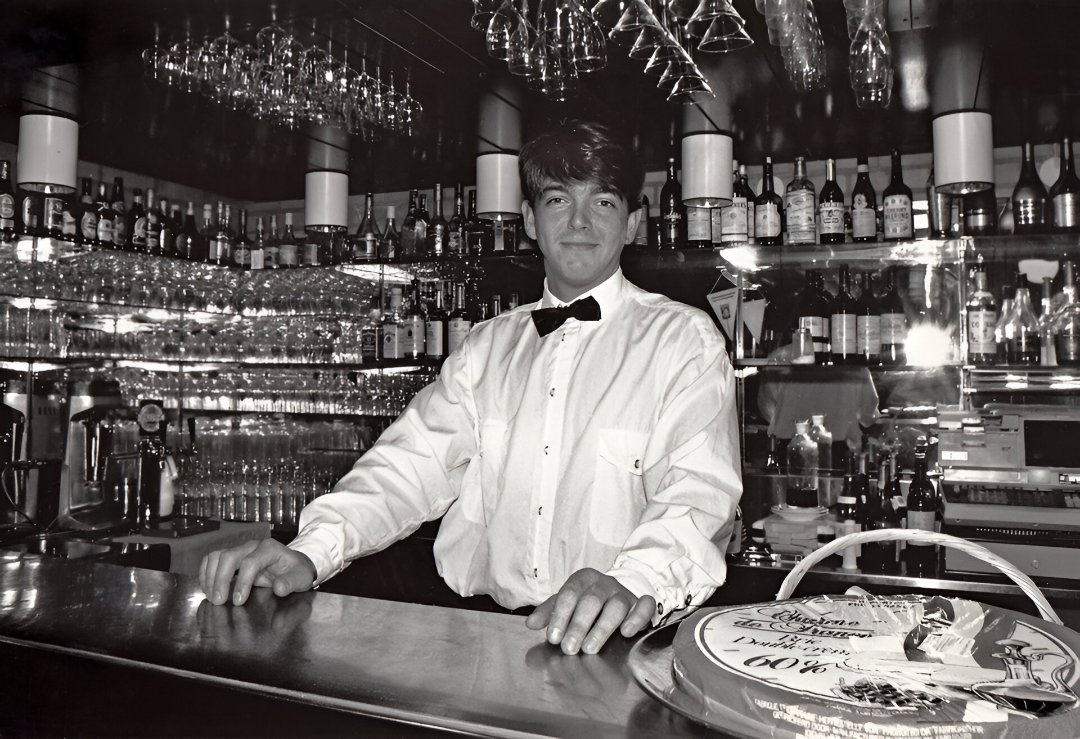
Walk into a great cocktail bar and order an Old Fashioned, and you’ll notice something immediately. The bartender doesn’t rush. There’s intention in every movement, from the way the ice is chosen to how the orange peel is expressed over the glass. This isn’t just a drink. It’s a ritual. And when bartenders drink old fashioned bourbon themselves, they treat it with the same respect.
For many whiskey lovers, the Old Fashioned is the first serious cocktail they fall in love with. It’s simple, bold, and unforgiving. There’s nowhere for mistakes to hide. That’s why professionals are so particular about how they make it and how they drink it. In this article, we’ll break down exactly how bartenders drink old fashioned bourbon correctly, why each detail matters, and how you can adopt the same mindset at home without turning your kitchen into a chemistry lab.
Why Bartenders Respect the Old Fashioned So Much
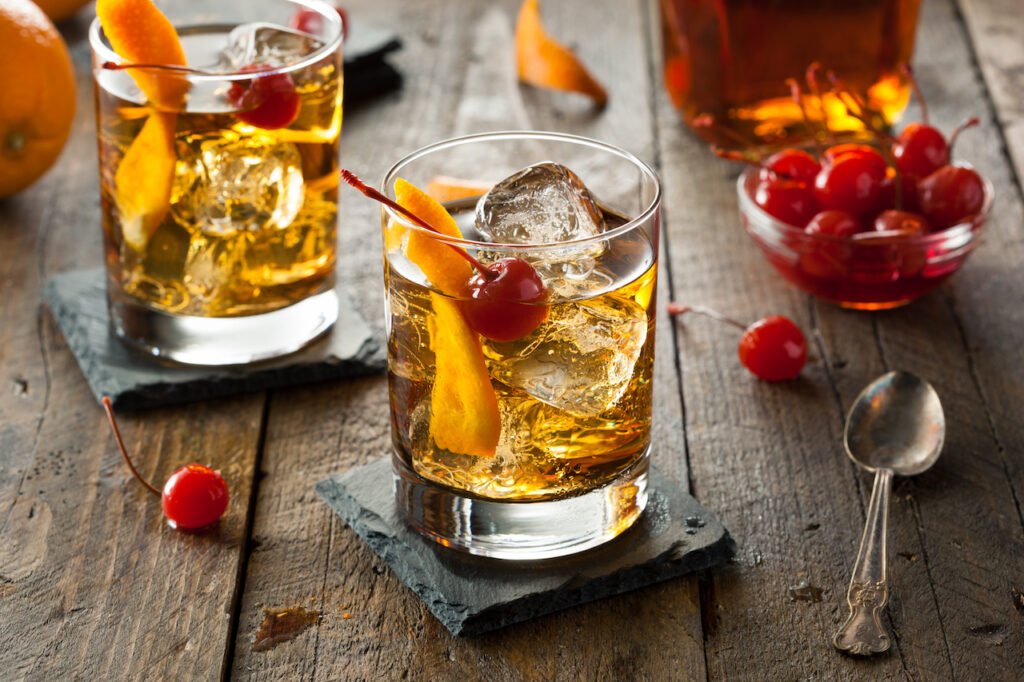
Among classic cocktails, the Old Fashioned holds a special place. It predates most modern mixed drinks and was originally just called a “whiskey cocktail.” Over time, it became known as the Old Fashioned to distinguish it from newer, more complex creations.
Bartenders respect it because it exposes everything. The quality of the bourbon, the balance of sweetness, the restraint with bitters, and the dilution from ice all matter. When bartenders drink old fashioned bourbon, they’re not chasing sweetness or novelty. They’re tasting craftsmanship.
This drink is often used as a benchmark. If a bar makes a great Old Fashioned, chances are they do many other things right.
The Bourbon Choice Comes First
Everything starts with the bourbon. Bartenders don’t grab just any bottle when they drink old fashioned bourbon. They look for structure, proof, and character.
A good Old Fashioned bourbon usually has a slightly higher alcohol content. Bottles in the ninety to one hundred proof range hold up better against dilution. The flavor profile matters too. Notes of vanilla, caramel, oak, spice, and a hint of sweetness tend to shine in this cocktail.
Bartenders often prefer bourbons with a strong backbone rather than ultra-smooth sipping whiskeys. Smoothness is great neat, but in an Old Fashioned, you want presence.
Glassware Is Not Just Aesthetic
The classic choice is a rocks glass, also called an Old Fashioned glass. Bartenders choose it for a reason. Its wide opening allows aromas to reach the nose, while its weight feels grounding in the hand.
When bartenders drink old fashioned bourbon, they want to smell it before they sip it. Aroma is part of the experience. Thin highball glasses don’t offer that same intimacy. The ritual starts the moment the glass touches your palm.
Ice: The Silent Ingredient
Ice might be the most underrated part of the Old Fashioned. Bartenders obsess over it. Clear ice, large cubes, or hand-cut blocks are preferred because they melt slowly and dilute the drink at a controlled pace.
Fast-melting ice waters down flavors too quickly. Slow dilution allows the bourbon to open up gradually. When bartenders drink old fashioned bourbon, they expect the drink to evolve over time. The first sip should be bold. The last sip should be softer, rounder, and more expressive.
At home, even using one large cube instead of several small ones can dramatically improve the result.
Sweetness Is Meant to Whisper, Not Shout
Sugar is necessary, but restraint is everything. Traditional recipes use a sugar cube, while modern versions often rely on simple syrup or rich syrup. Bartenders tend to prefer syrup because it dissolves evenly and avoids gritty textures.
When bartenders drink old fashioned bourbon, sweetness should never dominate. It exists to smooth edges and connect flavors, not to turn the drink into dessert. Too much sugar masks the bourbon’s complexity and flattens the experience.
The goal is balance, not indulgence.
Bitters Are the Backbone
Bitters are what give the Old Fashioned its identity. Angostura is the classic choice, but many bartenders experiment with orange bitters, aromatic blends, or subtle spice-forward options.
That said, professionals rarely overdo it. A few dashes are enough. Bitters should frame the bourbon, not fight it. When bartenders drink old fashioned bourbon, they’re looking for harmony between bitter, sweet, and spirit.
Bitters also add aroma, which plays a huge role in how we perceive flavor.
The Right Way to Build the Drink
Bartenders typically build the Old Fashioned directly in the glass. This keeps dilution controlled and honors tradition. Stirring is gentle, never aggressive. The goal is integration, not aeration.
A properly built Old Fashioned feels cohesive. Nothing sticks out. When bartenders drink old fashioned bourbon, they can tell within seconds whether the drink was rushed or respected.
The process is calm, deliberate, and almost meditative.
Garnish Is About Aroma, Not Decoration
The orange peel is iconic, but bartenders use it with purpose. The oils are expressed over the glass, releasing bright citrus aromas that lift the drink. Often, the peel is rubbed along the rim before being dropped in or discarded.
Cherries are optional and often controversial. Many bartenders skip them entirely unless they’re high-quality and restrained. When bartenders drink old fashioned bourbon, garnish is minimal and intentional.
A good garnish enhances the nose, not the sugar content.
How Bartenders Actually Drink It
Here’s something many people don’t realize. Bartenders don’t rush an Old Fashioned. They sip it slowly. They let it warm slightly. They revisit the aroma between sips.
When bartenders drink old fashioned bourbon, they pay attention to how it changes. Early sips are sharper and more intense. Later sips are smoother and more integrated. This evolution is part of the pleasure.
They also tend to drink it neat or with very minimal modification. No straws. No excessive stirring after serving. The drink is allowed to live its own life.
Common Mistakes Bartenders Avoid
Even experienced home drinkers often make small errors that professionals never do. Understanding these mistakes helps you drink old fashioned bourbon the way bartenders do.
Common issues include using low-quality bourbon, adding too much sugar, shaking the drink instead of stirring, overloading it with fruit, or using crushed ice. Each of these choices disrupts balance.
Bartenders value simplicity. They know the drink doesn’t need fixing.
Why Less Is Always More
The Old Fashioned teaches restraint. That’s why bartenders love it. In an era of smoke machines and foams, this drink reminds professionals that elegance comes from precision, not excess.
When bartenders drink old fashioned bourbon, they’re reconnecting with the roots of cocktail culture. They’re honoring the spirit itself rather than hiding it behind trends.
This mindset carries over into how they approach other drinks as well.
Drinking an Old Fashioned at Home Like a Bartender
You don’t need a bar cart full of rare tools to drink old fashioned bourbon correctly. What you need is attention and patience.
Focus on quality over quantity. Choose a bourbon you actually enjoy. Use proper ice. Measure your sweetness. Smell the drink before you taste it. Let it change as it sits.
Most importantly, slow down. Bartenders don’t drink this cocktail to get through it. They drink it to experience it.
When Bartenders Choose an Old Fashioned
Professionals often order or make an Old Fashioned at the end of a shift. It’s grounding. It signals transition from work to rest. It’s familiar without being boring.
When bartenders drink old fashioned bourbon, it’s often a moment of quiet reflection. The drink doesn’t demand attention. It rewards it.
That’s part of its enduring appeal.
Food Pairings Bartenders Appreciate
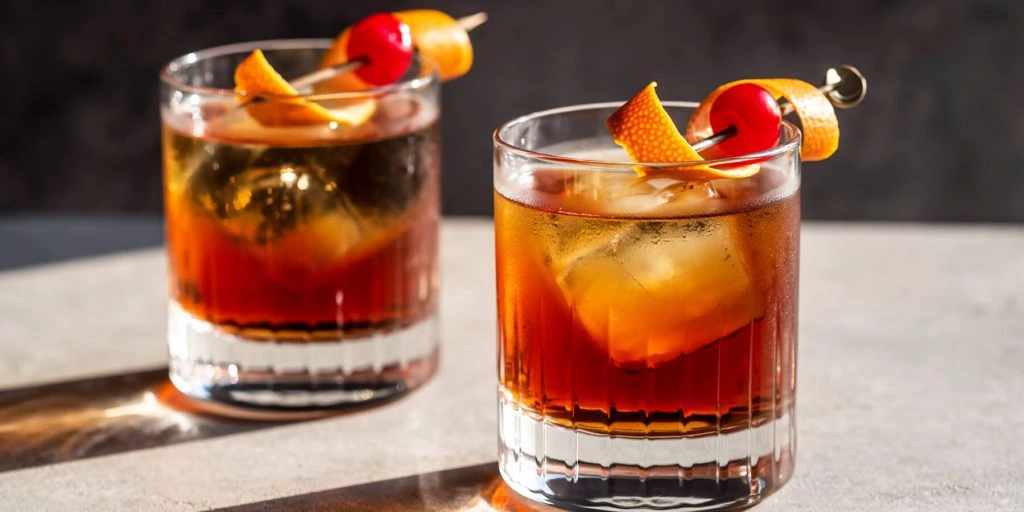
An Old Fashioned pairs beautifully with savory, rich foods. Think grilled meats, aged cheese, dark chocolate, or roasted nuts. Bartenders understand that the drink’s bitterness and sweetness complement umami flavors.
They avoid pairing it with overly spicy or sugary dishes that clash with bourbon’s depth.
The Cultural Weight of the Old Fashioned
This drink has survived prohibition, trends, and countless reinterpretations. Bartenders see it as a cultural artifact as much as a cocktail. Knowing how to drink old fashioned bourbon correctly connects you to generations of drinkers who valued craft and patience.
It’s not about nostalgia. It’s about continuity.
Final Thoughts
To drink old fashioned bourbon the way bartenders do is to embrace intention over excess. It’s about honoring the spirit, respecting balance, and enjoying the slow transformation in the glass. This cocktail doesn’t shout. It speaks quietly, confidently, and with depth.
If you’ve ever rushed through an Old Fashioned or treated it like just another whiskey drink, try slowing down next time. Build it carefully. Sip it thoughtfully. Pay attention to how it evolves.
If this guide helped you see the Old Fashioned differently, share it with a fellow bourbon lover or leave a comment with your own ritual. Great drinks, like great conversations, are meant to be passed on.
FAQs
Is it better to use bourbon or rye?
Bartenders often choose bourbon for a rounder, sweeter profile, but rye offers more spice. Both are valid depending on taste.
Should an Old Fashioned be stirred again while drinking?
Most bartenders avoid re-stirring. They let natural dilution do the work.
Is it acceptable to customize the drink?
Yes, but professionals recommend mastering the classic before experimenting.