
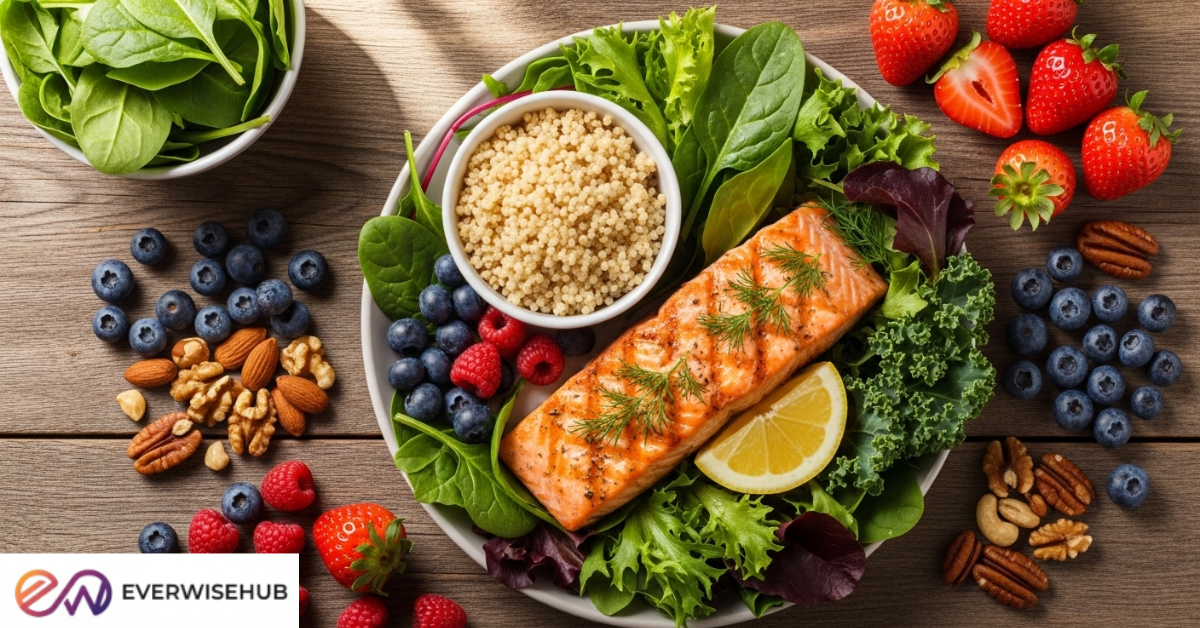
Peripheral artery disease is a common circulatory condition that affects millions of people worldwide. It occurs when arteries become narrowed due to plaque buildup, reducing blood flow to the limbs, particularly the legs. While medical treatment is often necessary, lifestyle choices play a critical role in managing the condition. Among these lifestyle changes, adopting a healthy diet for PAD can significantly improve circulation, reduce inflammation, and support overall cardiovascular health.
A thoughtful dietary approach helps control cholesterol levels, blood pressure, and blood sugar, which are all factors closely linked to arterial health. People living with peripheral artery disease often notice improvements in symptoms such as leg pain, fatigue, and reduced mobility when they follow a consistent and balanced nutrition plan. Understanding how food influences vascular health is the first step toward building a sustainable healthy diet for PAD that supports long-term wellbeing.
Understanding PAD and the Role of Nutrition
Peripheral artery disease develops when fatty deposits accumulate in the arteries, a process known as atherosclerosis. This buildup narrows the arteries and restricts oxygen-rich blood from reaching the muscles and tissues of the legs. Over time, this reduced blood flow may cause pain during walking, slow wound healing, and an increased risk of cardiovascular complications.
Nutrition plays a direct role in either worsening or improving this condition. Diets high in saturated fats, refined sugars, and processed foods contribute to plaque buildup and inflammation. In contrast, a healthy diet for PAD focuses on nutrient-rich foods that support artery health, improve blood circulation, and reduce oxidative stress in the body.
A well-structured diet helps regulate lipid levels, maintain healthy blood pressure, and support endothelial function, which refers to the ability of blood vessels to expand and contract properly. These factors are essential for people living with peripheral artery disease because they help prevent further arterial damage and encourage better circulation.
Core Principles of a Healthy Diet for PAD
Following a healthy diet for PAD does not require extreme restrictions. Instead, it emphasizes balanced eating patterns that prioritize whole foods and essential nutrients. The goal is to nourish the cardiovascular system while minimizing foods that contribute to inflammation and arterial damage.
A heart-supportive diet typically includes plenty of fruits, vegetables, whole grains, lean proteins, and healthy fats. These foods contain antioxidants, fiber, and essential vitamins that help reduce plaque formation and improve blood vessel function.
Another important aspect of a healthy diet for PAD is maintaining stable blood sugar levels. Many individuals with peripheral artery disease also experience insulin resistance or diabetes, which can worsen circulation problems. Consuming balanced meals that combine complex carbohydrates, healthy fats, and protein helps regulate glucose levels and supports metabolic health.
Hydration also contributes to proper circulation. Adequate fluid intake helps maintain blood volume and allows nutrients and oxygen to move efficiently through the bloodstream.
Foods That Support Circulation and Artery Health

Certain foods contain powerful nutrients that directly benefit people with peripheral artery disease. Including these foods regularly can strengthen the effects of a healthy diet for PAD and promote improved vascular health.
Fruits and vegetables provide antioxidants that protect blood vessels from oxidative stress. Dark leafy greens such as spinach, kale, and arugula contain nitrates that help relax blood vessels and improve circulation. Berries, oranges, and pomegranates offer vitamin C and flavonoids that support healthy arteries.
Whole grains also play a valuable role in a healthy diet for PAD. Foods such as oats, quinoa, and brown rice contain fiber that helps lower LDL cholesterol levels. Lower cholesterol reduces plaque accumulation in arteries and supports smoother blood flow.
Healthy fats are another key component of vascular nutrition. Sources such as olive oil, avocados, and nuts contain monounsaturated fats that help reduce inflammation. Fatty fish like salmon, sardines, and mackerel provide omega-3 fatty acids, which are known to improve blood vessel function and decrease triglyceride levels.
Lean protein sources help maintain muscle health without contributing to excessive saturated fat intake. Options like legumes, beans, poultry, and fish are commonly included in a healthy diet for PAD because they provide essential nutrients while supporting heart health.
The Importance of Anti-Inflammatory Eating
Inflammation plays a major role in the progression of peripheral artery disease. When the body experiences chronic inflammation, blood vessels can become damaged and more prone to plaque buildup. An anti-inflammatory dietary pattern can help slow this process.
A healthy diet for PAD often resembles well-known heart-friendly diets such as the Mediterranean style of eating. This approach emphasizes fresh vegetables, fruits, whole grains, legumes, fish, and olive oil while limiting processed foods and refined sugars.
Herbs and spices also contribute to anti-inflammatory benefits. Ingredients like turmeric, garlic, and ginger contain compounds that may support circulation and reduce inflammation within blood vessels.
Another factor in anti-inflammatory nutrition is reducing excessive sodium intake. Too much salt can raise blood pressure, which places additional strain on the arteries. Choosing fresh foods over heavily processed items helps maintain a balanced sodium level and strengthens the impact of a healthy diet for PAD.
Foods That May Worsen PAD Symptoms
While focusing on beneficial foods is important, understanding what to limit is equally valuable. Certain dietary habits may accelerate arterial damage and worsen circulation issues.
Highly processed foods often contain trans fats, added sugars, and excessive sodium. These ingredients contribute to inflammation and increase the risk of cholesterol buildup in the arteries. Regular consumption of processed snacks, fast foods, and sugary beverages can undermine the benefits of a healthy diet for PAD.
Red meat and high-fat dairy products can also increase saturated fat intake when consumed in large amounts. Excess saturated fat may elevate LDL cholesterol levels, which contributes to plaque formation. Moderation and balanced portion sizes help maintain a heart-friendly diet.
Refined carbohydrates such as white bread, pastries, and sugary desserts may cause rapid spikes in blood sugar. Over time, this pattern can worsen metabolic health and negatively affect circulation. Replacing refined grains with whole-grain alternatives supports a more stable and effective healthy diet for PAD.
Lifestyle Habits That Strengthen a Healthy Diet for PAD
Diet alone cannot completely manage peripheral artery disease. However, when combined with supportive lifestyle habits, nutrition becomes a powerful tool for improving overall health.
Regular physical activity improves blood flow and encourages the development of new blood vessels, a process known as collateral circulation. Walking programs are often recommended for individuals with PAD because they help strengthen leg muscles and gradually improve endurance.
Maintaining a healthy body weight is another key factor. Excess weight places additional stress on the cardiovascular system and can worsen symptoms of peripheral artery disease. A consistent healthy diet for PAD naturally supports weight management by emphasizing nutrient-dense foods over calorie-dense processed options.
Smoking cessation is also critical. Tobacco use significantly damages blood vessels and accelerates plaque buildup. People who stop smoking often see meaningful improvements in circulation and overall vascular health.
Adequate sleep and stress management further enhance the benefits of a healthy diet for PAD. Chronic stress can raise blood pressure and contribute to inflammation, while quality sleep allows the body to repair and restore vascular function.
Long-Term Benefits of Following a Healthy Diet for PAD
Adopting a sustainable nutrition plan provides benefits that extend beyond managing peripheral artery disease. A balanced and heart-supportive diet reduces the risk of major cardiovascular events such as heart attacks and strokes.
People who consistently follow a healthy diet for PAD often experience improved energy levels and better mobility. As circulation improves, muscles receive more oxygen and nutrients, which can reduce discomfort during physical activity.
Over time, healthy dietary habits also help regulate cholesterol levels, stabilize blood sugar, and maintain optimal blood pressure. These factors contribute to overall cardiovascular resilience and long-term health.
Perhaps most importantly, a nutritious diet empowers individuals to take an active role in managing their condition. Rather than relying solely on medical interventions, lifestyle choices become a daily tool for supporting vascular wellness.
FAQs
Can diet really improve peripheral artery disease?
Yes, dietary changes can support better circulation, reduce cholesterol levels, and decrease inflammation. A consistent healthy diet for PAD helps protect blood vessels and supports overall cardiovascular health.
What is the best eating style for PAD?
Many healthcare professionals recommend a Mediterranean-style eating pattern. This approach closely aligns with a healthy diet for PAD because it emphasizes vegetables, fruits, whole grains, fish, and healthy fats.
Are carbohydrates allowed in a healthy diet for PAD?
Carbohydrates are still important, but choosing whole grains instead of refined carbohydrates is essential. Whole grains provide fiber and nutrients that support vascular health.
How long does it take to see results from dietary changes?
Some people notice improvements in energy and circulation within a few weeks, while long-term benefits such as cholesterol reduction may take several months of consistently following a healthy diet for PAD.
Conclusion
Peripheral artery disease is a serious circulatory condition, but it can often be managed effectively through thoughtful lifestyle changes. Nutrition plays a central role in supporting artery health, improving circulation, and reducing inflammation. By focusing on whole foods, healthy fats, lean proteins, and fiber-rich carbohydrates, individuals can build a sustainable healthy diet for PAD that strengthens cardiovascular function.
When combined with regular physical activity, smoking cessation, and proper medical care, a balanced diet can significantly improve quality of life for those living with peripheral artery disease. Small daily choices gradually lead to meaningful improvements in circulation and long-term heart health. Embracing a consistent healthy diet for PAD is not only a strategy for symptom management but also an investment in overall wellness and longevity.