
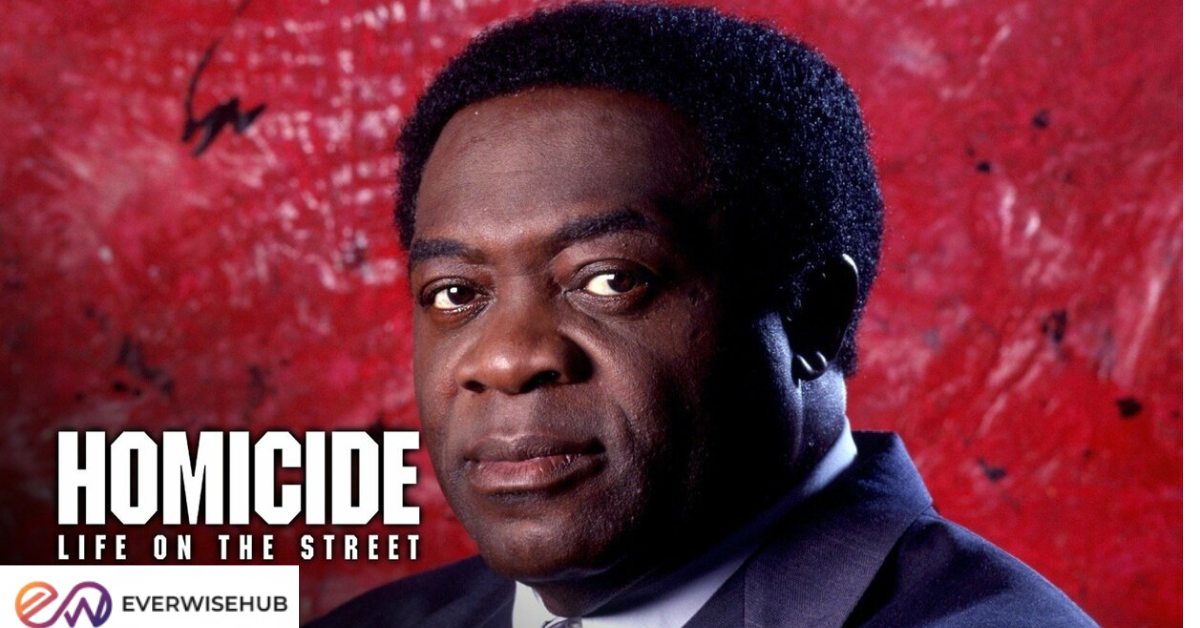
Some television shows entertain you for an hour and then politely disappear from your memory. Others linger. They crawl under your skin, challenge what you think TV can do, and quietly reshape an entire genre. Homicide Life on the Street belongs firmly in the second category.
When it premiered in the early 1990s, network television was still playing it safe. Crime shows followed familiar formulas. Detectives solved cases neatly. Stories wrapped up with comforting certainty. Then homicide life on the street arrived and did something radical: it refused to lie to the audience.
Based on real experiences, grounded in emotional truth, and unafraid of silence or ambiguity, the show didn’t just stand out. It changed crime television forever.
This article explores how homicide life on the street rewrote the rules, influenced generations of police procedurals, and remains one of the most important TV dramas ever made.
The TV Crime Landscape Before Homicide Life on the Street
Before the show aired, most crime dramas shared a predictable rhythm. Viewers knew what to expect.
Cases were introduced quickly, evidence piled up conveniently, and justice almost always arrived before the credits rolled. Detectives were competent, confident, and emotionally distant. The focus was on plot, not people.
Popular police dramas emphasized:
- Clear heroes and villains
- Fast-paced investigations
- Simplified morality
- Clean resolutions
While entertaining, these shows rarely reflected the emotional cost of real police work. The human toll was mostly invisible. The streets felt staged, not lived in.
That’s the environment homicide life on the street walked into—and immediately disrupted.
The Real-World Roots That Gave the Show Its Power
One reason homicide life on the street felt different is because it was different at its core. The series was inspired by journalist David Simon’s nonfiction book Homicide: A Year on the Killing Streets, which chronicled real homicide detectives in Baltimore.
Instead of inventing crimes, Simon documented:
- Unsolved cases
- Bureaucratic frustration
- Emotional exhaustion
- Moral ambiguity
This foundation mattered. The show wasn’t chasing spectacle. It was chasing truth.
From the beginning, homicide life on the street made it clear that murder investigations are messy, slow, and often heartbreaking. Justice is uncertain. Closure is rare. And detectives carry the weight of failure just as heavily as success.
A Gritty Realism That Redefined Police Drama
The word “realism” gets thrown around a lot, but homicide life on the street earned it. The series rejected polished visuals and adopted a rough, documentary-style approach.
Handheld cameras, natural lighting, and cramped interrogation rooms created an uncomfortable intimacy. Viewers weren’t watching from a safe distance. They were inside the room.
Key elements of the show’s realism included:
- Long interrogation scenes with minimal action
- Awkward silences that felt painfully real
- Suspects who didn’t confess on cue
- Crimes that remained unsolved
This approach changed audience expectations. Crime TV no longer needed constant motion. It could slow down and still feel gripping.
Characters Who Felt Like Real People, Not TV Tropes
Perhaps the most lasting contribution of homicide life on the street was its characters. These detectives weren’t superheroes. They were flawed, stubborn, funny, angry, and deeply human.
Each character brought a different philosophy to police work. Some believed in empathy. Others relied on pressure. Many questioned whether the job was changing them for the worse.
The show explored:
- Burnout and moral fatigue
- Personal lives unraveling under stress
- Conflicting ideas of justice
- The psychological cost of homicide investigations
Instead of treating detectives as interchangeable, homicide life on the street treated them as individuals shaped by experience. That character depth became a new standard for crime dramas.
Dialogue That Trusted the Audience
Another bold move was the show’s writing style. Homicide life on the street didn’t spoon-feed information. Conversations felt overlapping, unfinished, and sometimes confusing—just like real conversations.
Characters talked over each other. They changed topics mid-sentence. They argued about philosophy in the middle of police work.
This approach did two important things:
- It respected the audience’s intelligence
- It made the world feel authentic
Later crime series would adopt this style, but at the time, it was risky. Network executives worried viewers wouldn’t keep up. Instead, the show attracted a loyal audience that appreciated being challenged.
Moral Complexity Without Easy Answers
Most crime shows tell you who to root for. Homicide life on the street often refused to do that.
Suspects weren’t always monsters. Victims weren’t always saints. Detectives sometimes crossed ethical lines, then had to live with the consequences.
The series asked uncomfortable questions:
- Is justice always possible?
- Does solving a case equal moral victory?
- How much pressure is too much during interrogation?
By refusing simple answers, homicide life on the street elevated crime TV into something closer to literature. It wasn’t about good versus evil. It was about people navigating impossible choices.
The Influence on Future Crime TV Classics
You can draw a straight line from homicide life on the street to many of the most respected crime dramas that followed.
Its influence is visible in:
- The Wire
- Law & Order (especially early seasons)
- NYPD Blue
- The Shield
- True Detective
These shows borrowed elements like serialized storytelling, morally complex characters, and realistic police procedures. Without homicide life on the street, crime TV might have remained stuck in formula.
Even modern streaming dramas owe a debt to the show’s willingness to slow down and focus on character psychology.
The Bold Choice to Embrace Unsolved Cases
One of the most controversial aspects of homicide life on the street was its comfort with unresolved endings. Not every case was solved. Sometimes the trail went cold.
At the time, this was shocking. Viewers were conditioned to expect closure.
However, this creative choice reinforced the show’s realism. In real life, many homicides remain unsolved. Detectives don’t get neat conclusions. The show respected that reality.
Over time, audiences came to appreciate the honesty. Crime TV no longer had to pretend the system always works.
Emotional Weight That Stayed With Viewers
Unlike many procedurals, homicide life on the street wasn’t easy to forget after the episode ended. The emotional weight lingered.
The show gave space to:
- Grief
- Guilt
- Anger
- Doubt
Scenes often ended quietly, without dramatic music or speeches. That restraint made the emotions feel heavier, not lighter.
This emotional realism influenced later shows that prioritized mood and atmosphere over spectacle.
Network TV Limits and Quiet Brilliance
Despite critical acclaim, homicide life on the street never became a massive ratings hit. Its seriousness and unconventional pacing made it a tough sell for mainstream audiences.
However, its impact wasn’t measured by ratings alone. Writers, directors, and actors paid attention. Inside the industry, the show was respected as a masterclass in storytelling.
It proved that network television could aim higher—even if success came slowly.
Why Homicide Life on the Street Still Matters Today
Decades later, homicide life on the street remains relevant. In an era flooded with true crime documentaries and gritty dramas, its influence feels stronger than ever.
Modern audiences value:
- Authentic storytelling
- Psychological depth
- Ethical complexity
These are qualities the show championed long before they were fashionable.
Rewatching the series today reveals how ahead of its time it was. The themes still resonate. The characters still feel real. The questions still don’t have easy answers.
Lessons Modern Writers Still Learn From the Show
Writers and creators continue to study homicide life on the street for guidance. Its legacy offers clear lessons:
- Trust the audience
- Prioritize character over plot
- Embrace silence and ambiguity
- Let realism drive emotion
These principles remain essential for meaningful storytelling, not just in crime TV but across all drama genres.
Final Thoughts
Homicide life on the street didn’t change crime TV by being louder or flashier. It changed it by being honest.
It showed that police work is exhausting, justice is uncertain, and people are complicated. It treated viewers like adults and trusted them to sit with discomfort.
That quiet revolution reshaped the genre. Today’s most respected crime dramas stand on its shoulders, whether they acknowledge it or not.
If you’ve never watched homicide life on the street, it’s worth your time. If you have, revisiting it may remind you why great television doesn’t need to shout to be heard.
If this article sparked memories or opinions, share your thoughts and join the conversation. The legacy of homicide life on the street is still being written—by the stories it inspired and the viewers who continue to talk about it.