Introduction
Hollister, a popular American lifestyle brand, has become synonymous with casual, youthful clothing. With its iconic California-inspired designs, Hollister appeals to teens and young adults seeking trendy, affordable outfits. But in recent years, a critical question has emerged among conscious consumers: is Hollister fast fashion? Understanding whether Hollister fits the definition of fast fashion requires an examination of its production methods, pricing, trend cycles, and sustainability practices. In this article, we provide a comprehensive analysis of Hollister’s brand approach, helping shoppers make informed decisions while exploring the broader fast fashion debate.
What Defines Fast Fashion?
Fast fashion is a term used to describe brands that rapidly produce trendy clothing at low cost, often sacrificing quality and environmental responsibility. Key characteristics of fast fashion include a high volume of collections released each year, short product life cycles, inexpensive materials, and mass production techniques designed to meet rapidly changing consumer demand. Brands like Zara, H&M, and Shein are often cited as fast fashion leaders because they continuously translate runway trends into accessible, affordable clothing.
In this context, the question arises: does Hollister operate in a similar way, or does it follow a different business model focused on longevity and quality?
Hollister’s Brand Overview
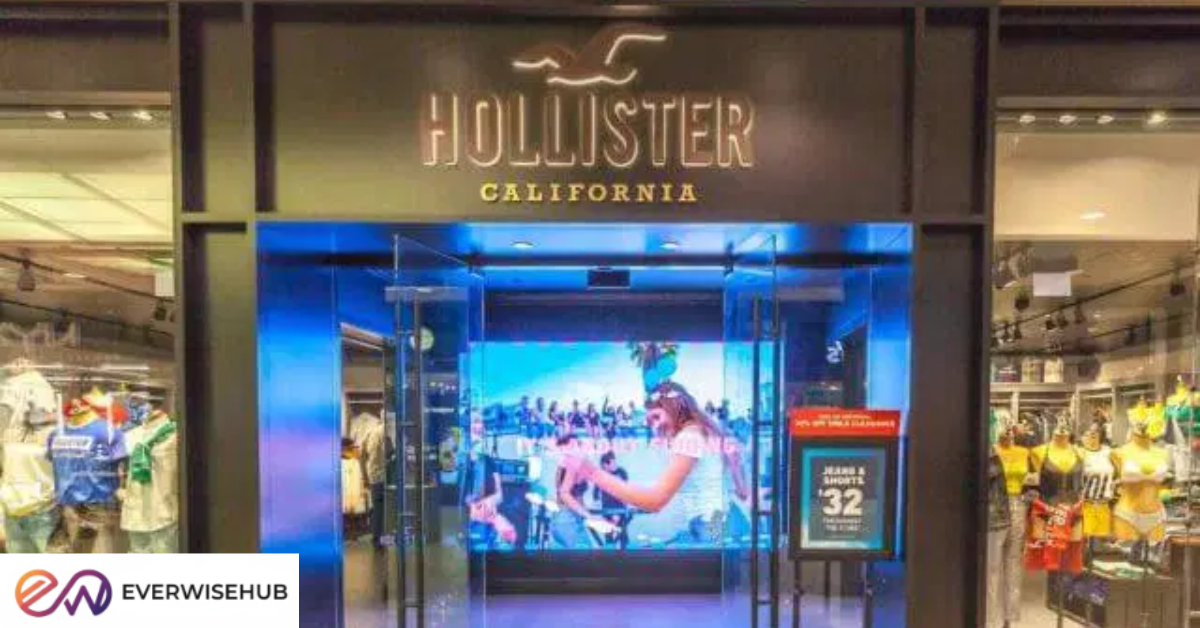
Founded by Abercrombie & Fitch Co. in 2000, Hollister was designed to capture a Southern California beach lifestyle aesthetic. The brand targets teenagers and young adults, emphasizing casual, laid-back apparel like graphic tees, hoodies, jeans, and swimwear. Hollister’s signature style includes soft fabrics, relaxed fits, and a consistent color palette inspired by coastal environments.
Hollister has over 500 stores worldwide, alongside a growing online presence. Its market strategy focuses on aspirational lifestyle branding, creating an image of youthful leisure and California-inspired adventures. Unlike ultra-fast fashion brands, Hollister emphasizes its curated aesthetic rather than rapid trend replication.
Production Practices and Supply Chain
One of the core indicators of fast fashion is how a brand manages its supply chain. Fast fashion companies typically outsource production to low-cost countries, producing large volumes quickly and prioritizing speed over quality. Hollister also sources its clothing from overseas manufacturers, primarily in Asia, which aligns partially with fast fashion practices.
However, Hollister differs in that it does not release hundreds of collections every year. Its seasonal collections are more predictable and less trend-driven than brands like Zara or Shein. While the production cycle is faster than luxury brands, it is not as aggressive or reactive as typical fast fashion models.
Pricing and Quality
Hollister’s price point is mid-range, with T-shirts averaging around $20-$30 and jeans ranging from $50-$70. While affordable, the brand maintains a focus on fabric quality and garment durability. Hollister emphasizes soft, comfortable materials, such as cotton blends, and invests in finishes that extend the wear life of its products.
In fast fashion, low-cost garments often compromise durability, with items designed to last only a few washes or seasons. Hollister’s clothing tends to withstand longer usage, suggesting a partial divergence from fast fashion’s disposable model.
Trend Cycles and Product Updates
Fast fashion thrives on immediacy, translating runway styles into stores within weeks. Hollister’s approach is more measured, focusing on classic, casual pieces that remain relevant across seasons. While the brand occasionally introduces trend-based items, it largely maintains a consistent catalog of essentials like hoodies, sweatshirts, and denim.
The slower rotation of collections allows Hollister to balance trendiness with wardrobe longevity. This approach is less about rapid replication and more about appealing to a consistent aesthetic, which contrasts with fast fashion’s frequent turnover.
Sustainability and Ethical Considerations
Environmental impact is a crucial factor in evaluating fast fashion brands. Fast fashion is notorious for excessive water usage, chemical pollution, and textile waste. Hollister has made incremental efforts toward sustainability, including adopting eco-friendly fabrics, reducing packaging waste, and promoting responsible sourcing practices.
In 2021, Hollister introduced more organic cotton products and focused on water-efficient dyeing processes. Although not fully sustainable, these initiatives indicate that the brand is taking steps to mitigate its environmental footprint, which is not always a priority for fast fashion companies.
Consumer Perception
Hollister is often perceived as a trendy, accessible brand rather than a fast fashion retailer. Its core audience appreciates the blend of style, comfort, and affordability without the extreme speed of trend replication typical of fast fashion. Social media reviews and fashion blogs often praise Hollister for offering long-lasting, casual staples that can be worn across seasons.
However, some critics argue that because Hollister produces clothing overseas and targets a youth market with constantly updated looks, it shares certain fast fashion characteristics. The perception largely depends on how strictly one defines fast fashion: if it focuses purely on overseas production and affordability, Hollister fits the category to an extent. If speed and disposable trends are key, Hollister diverges from classic fast fashion definitions.
Comparison With Fast Fashion Giants
Comparing Hollister to major fast fashion brands helps clarify its position. H&M, Zara, and Shein release multiple collections per month, rely heavily on trend replication, and often compromise quality for speed. Hollister, on the other hand, releases a few seasonal collections, emphasizes wardrobe staples, and maintains a mid-range quality standard.
In addition, Hollister’s marketing prioritizes lifestyle and brand identity over short-lived trend chasing. This distinguishes it from fast fashion competitors whose primary goal is rapid turnover and maximum market penetration.
The Role of Brand Identity in Classification
Brand identity is a key factor in understanding whether Hollister qualifies as fast fashion. The company has consistently built an image of casual, Californian youthfulness, emphasizing style, comfort, and brand loyalty. Fast fashion brands often prioritize trend replication over identity, aiming to meet the latest social media-driven demand. Hollister’s consistent branding suggests it values long-term customer relationships, a trait less common in true fast fashion operations.
Is Hollister Fast Fashion?
After examining its production practices, pricing, trend cycles, sustainability efforts, and brand positioning, it becomes clear that Hollister exhibits some characteristics of fast fashion but does not fully fit the category. It blends elements of speed and affordability with quality, consistent branding, and seasonal planning.
Hollister can be described as a “semi-fast fashion” or “mid-tier casual fashion” brand. It offers accessible clothing with trend elements but does not fully embrace the rapid turnover, ultra-low cost, and disposable nature of traditional fast fashion.
Actionable Insights for Consumers
For shoppers concerned about fast fashion, Hollister offers a balanced option. Choosing wardrobe staples such as jeans, hoodies, and T-shirts, and investing in higher-quality pieces can extend garment life. Paying attention to eco-friendly collections and supporting brands’ sustainability initiatives also helps mitigate environmental impact.
Consumers seeking to reduce fast fashion consumption can combine Hollister staples with second-hand shopping, mindful wardrobe planning, and seasonal capsule collections to maintain style without contributing to excessive textile waste.
FAQs
Is Hollister considered fast fashion?
Hollister shows some fast fashion characteristics, but its focus on seasonal staples and moderate production speed prevents it from being a full fast fashion brand.
Does Hollister use sustainable materials?
Yes, Hollister has incorporated organic cotton and eco-friendly production techniques, although sustainability is still an evolving priority.
Are Hollister clothes durable?
Compared to typical fast fashion items, Hollister garments are generally more durable and designed to last multiple seasons.
How often does Hollister release new collections?
Hollister releases seasonal collections rather than multiple monthly collections, which is slower than traditional fast fashion brands.
Is Hollister a better alternative to fast fashion brands?
For consumers seeking style, affordability, and some level of sustainability, Hollister offers a balanced alternative to pure fast fashion retailers.
Conclusion
Hollister occupies a unique position in the fashion industry. While it shares certain traits with fast fashion brands, including overseas production and mid-range pricing, its approach emphasizes quality, brand identity, and seasonal staples rather than rapid trend replication. Hollister is best understood as a semi-fast fashion brand that balances accessibility, style, and durability. For consumers, it provides a fashionable yet more responsible alternative to pure fast fashion retailers.