

There is a moment many people experience after years of jumping from one workout trend to another. You feel stronger, maybe leaner, but also tired, tight, or mentally drained. Or the opposite happens: you feel calm and flexible from yoga, yet your body lacks power and endurance. This is usually when the idea clicks that something is missing. That missing piece is balance. That is exactly why lifestyle fitness and yoga work better together, not as rivals, but as partners.
In today’s fast-moving world, health is no longer about short-term goals or extreme routines. It is about building habits that fit your life, protect your body, and support your mind. Lifestyle fitness and yoga together create a complete system that focuses on movement, recovery, mindfulness, and sustainable energy. This article explores how these two approaches complement each other and why combining them leads to better results than following either one alone.
Understanding Lifestyle Fitness Beyond the Gym

Lifestyle fitness is not limited to lifting weights or doing cardio a few times a week. It is a broader concept that blends physical activity into everyday living. It includes functional training, daily movement, strength building, cardiovascular health, mobility, posture, and even sleep and stress management.
Unlike traditional fitness programs that focus only on performance or appearance, lifestyle fitness prioritizes long-term health. It encourages habits such as walking more, improving core strength, maintaining joint health, and developing consistency. The goal is not perfection but progress that lasts.
Key Elements of Lifestyle Fitness
Lifestyle fitness often includes:
- Strength training for muscle tone and bone density
- Cardio workouts for heart health and stamina
- Functional movement to improve balance and coordination
- Mobility exercises to protect joints
- Healthy routines that support daily energy levels
However, lifestyle fitness alone can sometimes overlook deep recovery and mental calm. This is where yoga naturally fits in.
What Yoga Really Brings to the Table
Yoga is often misunderstood as just stretching or relaxation. In reality, yoga is a complete mind-body practice that improves flexibility, balance, breathing, focus, and emotional resilience. It trains awareness, not just muscles.
Yoga works on the nervous system as much as the physical body. Through controlled breathing, mindful movement, and stillness, it reduces stress hormones and improves mental clarity. Over time, it also enhances posture, joint stability, and muscle endurance.
Benefits That Make Yoga Essential
Yoga offers:
- Improved flexibility and range of motion
- Better posture and spinal alignment
- Stress relief and mental clarity
- Enhanced breathing and lung capacity
- Injury prevention and faster recovery
On its own, yoga is powerful. However, it may not always provide enough stimulus for building strength or cardiovascular endurance. That is why lifestyle fitness and yoga work better together when combined thoughtfully.
Why Lifestyle Fitness and Yoga Work Better Together
The real magic happens when these two practices support each other instead of competing for your time. Lifestyle fitness builds strength, power, and stamina. Yoga restores balance, mobility, and calm. Together, they create a system that supports both performance and longevity.
When you train hard without recovery, your body breaks down. When you stretch and relax without strength, your body becomes fragile. Lifestyle fitness and yoga together prevent these extremes.
Physical Balance and Injury Prevention
Strength training tightens muscles. Cardio stresses joints. Yoga counteracts this by lengthening muscles and improving joint mobility. This balance reduces the risk of injuries like muscle strains, lower back pain, and joint stiffness.
Athletes and everyday fitness enthusiasts alike benefit from this combination. It allows the body to perform better while staying resilient.
Mental Focus and Motivation
Fitness routines often fail because of burnout. Yoga teaches patience, awareness, and breath control, which improve focus during workouts. When your mind is calm, workouts feel less stressful and more intentional.
This mental connection is one reason lifestyle fitness and yoga work better together for people who struggle with consistency.
How Yoga Improves Strength Training Results
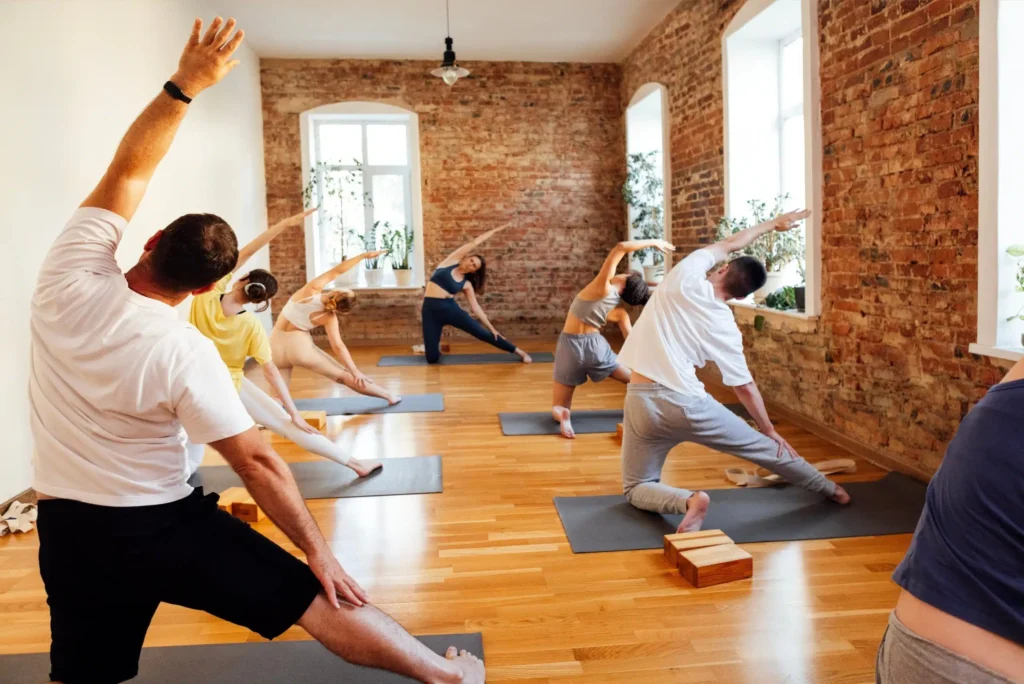
Yoga may look gentle, but it builds functional strength in a unique way. Many yoga poses require stabilizing muscles, core engagement, and body control. These skills transfer directly into weight training and bodyweight exercises.
Improved Muscle Activation
Yoga teaches you to feel your muscles working. This awareness improves form during strength training. Better form means better results and fewer injuries.
Enhanced Recovery
Muscle growth happens during recovery, not during workouts. Yoga speeds up recovery by improving circulation, reducing muscle soreness, and calming the nervous system.
People who combine lifestyle fitness and yoga often notice they recover faster and feel less stiff after intense sessions.
Cardiovascular Health Meets Breath Control
Cardio workouts increase heart rate and endurance. Yoga improves breathing efficiency and oxygen use. When combined, these benefits amplify each other.
Controlled breathing learned through yoga helps regulate heart rate during workouts. It also improves endurance by making breathing more efficient.
This connection between breath and movement is another reason lifestyle fitness and yoga work better together than either approach alone.
Flexibility Without Losing Strength
One common fear is that yoga will make you too flexible and reduce muscle strength. In reality, flexibility and strength are not opposites. They support each other.
Yoga builds strength at the end range of motion, which protects joints. Lifestyle fitness builds power through movement. Together, they create flexible strength, which is ideal for real-life activities.
Lifestyle Fitness and Yoga for Weight Management
Weight management is not just about calories burned. It involves hormones, stress levels, sleep quality, and consistency.
Yoga reduces stress, which lowers cortisol levels. High cortisol is linked to weight gain, especially around the midsection. Lifestyle fitness increases calorie expenditure and muscle mass, which boosts metabolism.
By combining both, lifestyle fitness and yoga support healthy weight management without extreme dieting or overtraining.
Creating a Sustainable Routine
Sustainability is the biggest challenge in fitness. Programs that are too intense often fail. Programs that are too passive may not deliver results. The balance between effort and recovery is key.
Weekly Routine Example
A balanced approach might look like:
- 3 days of strength or functional training
- 2 days of yoga focused on mobility and relaxation
- Daily light movement such as walking or stretching
This structure supports long-term progress and reduces burnout.
Mental Health Benefits You Can Feel Daily
Exercise is known to improve mood, but yoga adds another layer. It improves emotional regulation, mindfulness, and self-awareness.
People who practice lifestyle fitness and yoga together often report:
- Better stress management
- Improved sleep quality
- Increased confidence
- More positive body image
These benefits go beyond physical appearance and improve overall quality of life.
Yoga as a Tool for Active Recovery
Rest days do not have to mean inactivity. Yoga provides active recovery that keeps the body moving while promoting healing.
Gentle yoga sessions increase blood flow and reduce stiffness without stressing muscles. This keeps momentum going and prevents the stiffness that often follows rest days.
How Beginners Can Start Safely
Starting both fitness and yoga can feel overwhelming. The key is simplicity. Begin with basic movements and focus on consistency rather than intensity.
Tips for Beginners
- Start with short sessions
- Focus on proper form
- Listen to your body
- Avoid comparing yourself to others
- Be patient with progress
Lifestyle fitness and yoga are journeys, not quick fixes.
The Role of Mindfulness in Long-Term Health
Mindfulness is often overlooked in fitness. Yoga naturally integrates mindfulness into movement. This awareness improves posture, breathing, and body alignment during workouts.
Mindful fitness reduces injury risk and increases enjoyment. When you enjoy the process, consistency becomes easier.
Lifestyle Fitness and Yoga Across Different Ages
This combination works for all age groups. Younger individuals benefit from performance and recovery. Older adults benefit from joint health, balance, and mobility.
As the body changes with age, the flexibility of yoga and the strength of fitness training become even more valuable together.
Breaking the Myth of “Either-Or”
Many people believe they must choose between lifting weights or practicing yoga. This mindset limits progress. Health is multi-dimensional.
Lifestyle fitness and yoga work better together because they address different needs of the body and mind. Strength without flexibility leads to stiffness. Flexibility without strength leads to instability.
Long-Term Results That Actually Last
Quick results fade. Sustainable habits stay. By combining lifestyle fitness and yoga, you build a routine that adapts to life changes, stress levels, and physical needs.
This approach supports long-term health, not just short-term goals.
Conclusion
In a world full of fitness trends and conflicting advice, simplicity and balance matter most. Lifestyle fitness and yoga work better together because they support the body as a whole. Strength meets flexibility. Effort meets recovery. Movement meets mindfulness.
If you are tired of extremes and looking for a smarter, more sustainable way to stay healthy, this combination is worth embracing. It is not about doing more. It is about doing what works, consistently and intelligently.
If this perspective resonates with you, share your thoughts, experiences, or questions. Your journey toward balanced health may inspire someone else to begin theirs.