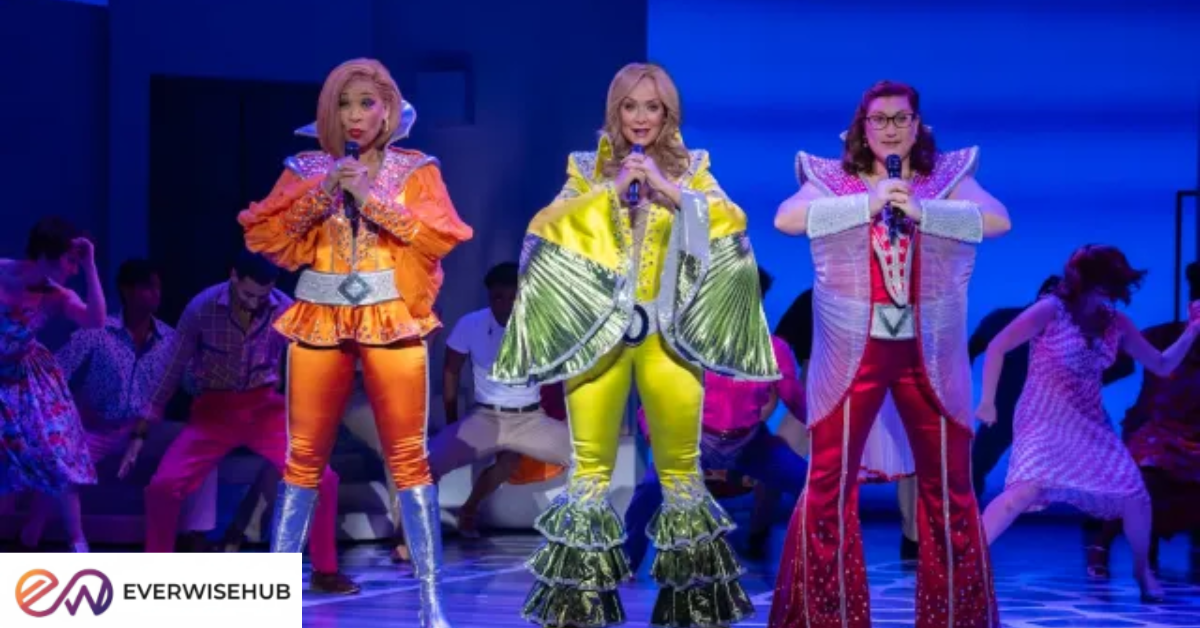
When Mamma Mia! first stepped onto the Broadway stage, few people expected it to spark a quiet revolution. At a time when traditional Broadway musicals leaned heavily on original scores and classic storytelling formulas, this lively production built around ABBA’s greatest hits dared to do something different. It blended nostalgia, pop culture, and feel-good storytelling into a theatrical experience that felt both fresh and familiar. The success of mamma mia broadway didn’t just fill theaters; it rewrote the rules of what a modern musical could be.
Today, its influence runs deep through the world of musical theater. From jukebox musicals to global stage adaptations, the ripple effect is impossible to ignore. Understanding how mamma mia broadway changed modern musicals reveals why it remains one of the most important productions in Broadway history.
The Rise of the Jukebox Musical Era
Before mamma mia broadway, jukebox musicals existed, but they rarely dominated mainstream theater. Most Broadway shows relied on original compositions crafted specifically for the stage. Mamma Mia! flipped that expectation by building an entire narrative around pre-existing pop songs.
A New Formula for Storytelling
The creative team behind the show carefully wove ABBA’s catalog into a cohesive story about love, identity, and family. Instead of feeling like a concert with dialogue, the songs advanced the plot and deepened character development. This approach demonstrated that familiar pop music could serve as a powerful storytelling tool.
As a result, producers gained confidence in investing in similar productions. Soon after, audiences saw a surge of jukebox musicals featuring the music of iconic artists. Shows inspired by rock bands, pop legends, and singer-songwriters began appearing regularly on Broadway and in West End theaters.
Why Audiences Connected Instantly
Several factors made mamma mia broadway an instant hit:
- Recognizable ABBA songs created immediate emotional connections
- A lighthearted romantic comedy appealed to diverse audiences
- Energetic choreography added visual excitement
- A universal theme of family resonated across cultures
- A celebratory atmosphere encouraged repeat viewing
Because viewers already loved the music, they entered the theater with excitement rather than uncertainty. This familiarity reduced risk for producers and expanded the Broadway audience base.
Redefining Commercial Success on Broadway
Mamma mia broadway didn’t just perform well; it became a global phenomenon. Its commercial success reshaped how the industry measured a hit musical.
Breaking Box Office Expectations
The show ran for thousands of performances and attracted millions of theatergoers worldwide. Touring productions and international adaptations followed quickly. This global reach proved that a Broadway musical could function as a long-term entertainment brand rather than a short-lived stage event.
Producers began viewing musicals as scalable franchises. Merchandising, cast recordings, and film adaptations became integral parts of a show’s business model. The later success of the Mamma Mia! movies reinforced the idea that stage productions could extend far beyond theater walls.
Expanding the Global Theater Market
The worldwide popularity of mamma mia broadway encouraged investment in international productions. Cities that previously hosted limited musical theater began staging large-scale performances. This expansion helped create a truly global theater ecosystem where productions could travel seamlessly across continents.
Shifting Audience Demographics
One of the most overlooked impacts of mamma mia broadway is how it broadened the theater audience. Traditional Broadway crowds often consisted of dedicated theater enthusiasts. Mamma Mia! attracted casual viewers, tourists, and fans of pop music.
Making Theater More Accessible
The show’s approachable tone removed barriers that sometimes intimidate first-time theatergoers. People who had never attended a live musical felt comfortable buying tickets because they already knew the songs. This accessibility helped redefine Broadway as inclusive entertainment rather than niche art.
Moreover, its upbeat style appealed to multiple generations. Parents introduced their children to live theater, while older audiences enjoyed nostalgic connections to ABBA’s music. This cross-generational appeal strengthened Broadway’s cultural relevance.
Influencing Musical Structure and Production Design
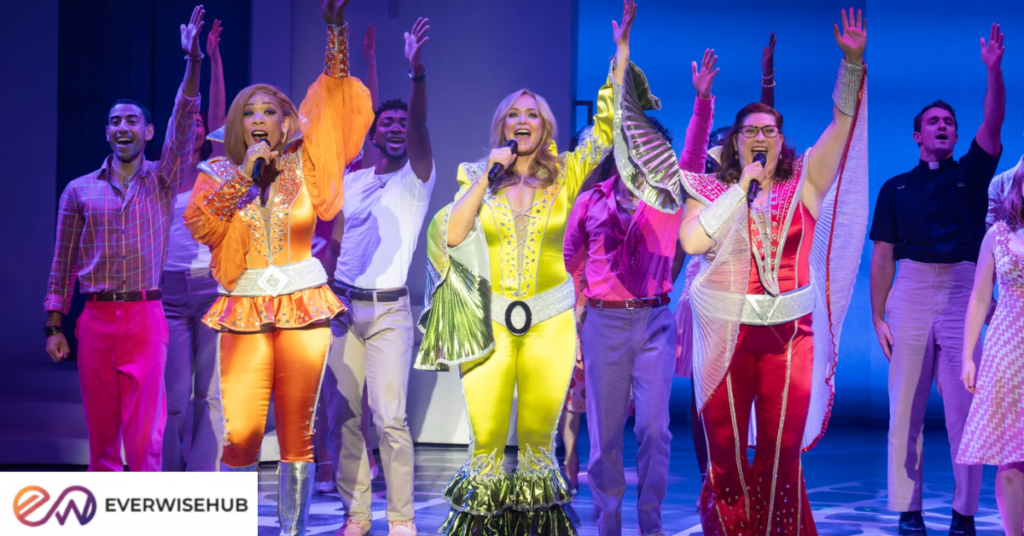
Beyond its commercial success, mamma mia broadway influenced how modern musicals are structured and staged.
Integration of Pop Concert Energy
The production blended elements of live concerts with theatrical storytelling. Bright lighting, dynamic choreography, and vibrant costumes created an immersive spectacle. This fusion encouraged later productions to experiment with staging techniques that borrowed from arena performances.
Modern musicals increasingly emphasize visual energy and audience engagement. Designers now prioritize spectacle alongside narrative depth, recognizing that contemporary audiences expect a multi-sensory experience.
Emphasis on Feel-Good Narratives
The uplifting tone of mamma mia broadway demonstrated the power of positivity in theater. While dramatic and experimental musicals still thrive, producers recognized the commercial value of joyful storytelling. Feel-good productions became more common, offering escapism during uncertain times.
The Cultural Legacy of Mamma Mia Broadway
The cultural footprint of mamma mia broadway extends far beyond ticket sales. It reshaped how musicals interact with popular culture.
Reviving Interest in Classic Pop Music
The show introduced ABBA’s music to younger generations. Songs that once dominated radio charts found new life on stage. This revival sparked renewed interest in classic pop catalogs and inspired collaborations between theater producers and music rights holders.
Inspiring Film and Multimedia Adaptations
The transition from stage to screen amplified the musical’s influence. Successful film adaptations proved that Broadway stories could thrive in mainstream cinema. This crossover encouraged studios to invest in theatrical properties, strengthening the relationship between film and stage entertainment.
Key Innovations Introduced by Mamma Mia Broadway
Several innovations set the production apart from earlier musicals. These elements continue to shape modern theater.
- Seamless integration of existing pop songs into narrative arcs
- Global franchising of stage productions
- Marketing strategies targeting mainstream audiences
- Emphasis on spectacle-driven staging
- Cross-media expansion into film and merchandise
Each innovation contributed to a broader transformation within the industry.
Comparing Traditional Musicals and the Mamma Mia Model
To understand its impact fully, it helps to compare traditional Broadway structures with the model popularized by mamma mia broadway.
| Aspect | Traditional Musicals | Mamma Mia Model |
|---|---|---|
| Music Source | Original compositions | Existing pop catalog |
| Audience Base | Theater enthusiasts | Mainstream pop fans |
| Marketing Focus | Critical acclaim | Mass appeal |
| Expansion Strategy | Limited touring | Global franchising |
| Tone | Varied, often dramatic | Upbeat and celebratory |
This comparison highlights how the show bridged the gap between theatrical artistry and commercial entertainment.
Lasting Influence on Modern Theater Trends
Even decades after its debut, mamma mia broadway continues to shape contemporary productions. Many current trends trace their roots back to its success.
Rise of Pop-Centric Productions
Today’s Broadway landscape features numerous musicals centered on popular music. These productions attract diverse audiences and generate significant revenue. The confidence to pursue such projects stems directly from the path Mamma Mia! paved.
Emphasis on Audience Experience
Modern theater increasingly prioritizes immersive experiences. Interactive staging, energetic choreography, and visually striking set designs echo the blueprint established by mamma mia broadway.
Strengthening the Business of Theater
The show demonstrated that musicals could function as global brands. This perspective encouraged producers to think strategically about longevity, touring potential, and multimedia opportunities.
Why Mamma Mia Broadway Still Matters Today
Some productions fade into nostalgia, but mamma mia broadway remains relevant. Its themes of love, friendship, and self-discovery continue to resonate. Moreover, its structural innovations still influence creative decisions across the industry.
The musical reminds creators that accessibility and artistic quality can coexist. By balancing entertainment with emotional storytelling, it achieved both critical respect and commercial triumph.
Lessons Modern Creators Can Learn
Writers, composers, and producers can draw valuable lessons from the show’s success.
- Embrace familiar elements without sacrificing originality
- Focus on universal themes that connect with wide audiences
- Invest in high-energy staging and choreography
- Build narratives that support musical integration
- Think globally when developing theatrical projects
These principles remain essential for anyone seeking to create impactful modern musicals.
Conclusion
The story of mamma mia broadway is more than a tale of box office success. It represents a turning point in musical theater history. By redefining how pop music could function on stage, expanding global audiences, and inspiring new production models, it changed the trajectory of modern musicals.
Its influence continues to echo through Broadway and international theater scenes. As new productions experiment with format and style, they build upon the foundation established by this groundbreaking show. If you’ve experienced mamma mia broadway firsthand or discovered it through its film adaptations, you’ve witnessed a piece of theater history that reshaped an entire industry.
What do you think is the most lasting impact of this iconic musical? Share your thoughts and join the conversation about how theater continues to evolve.