
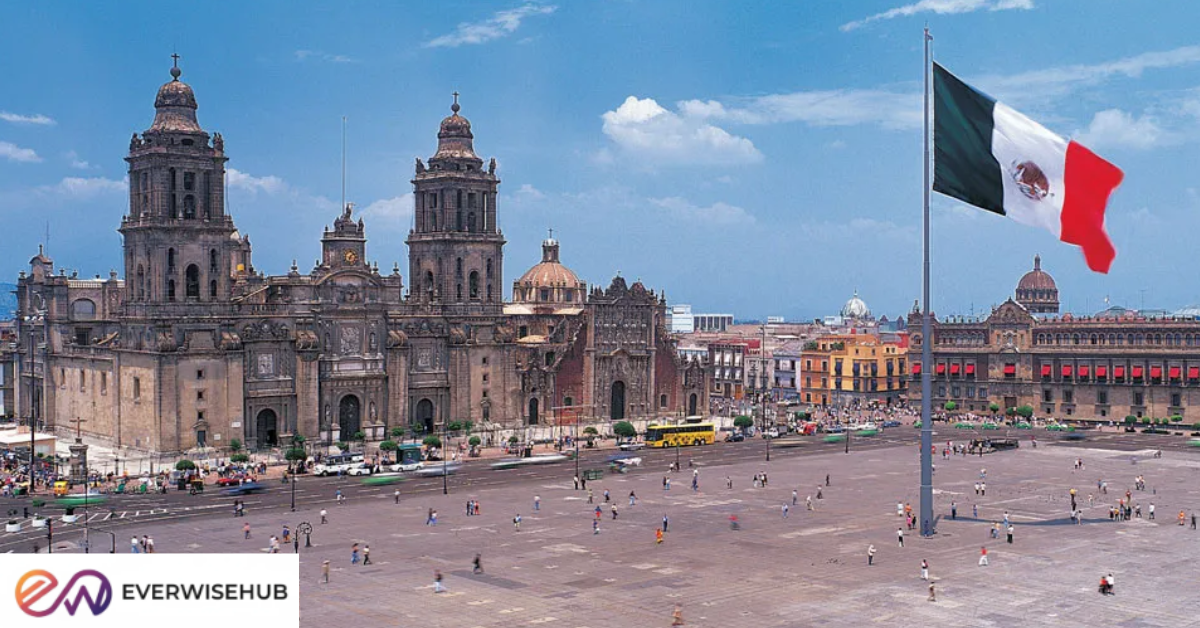
If you’ve ever stood in the heart of Mexico’s capital during rush hour, you don’t need a statistic to tell you this is one of the largest cities on Earth. The traffic hums. The metro pulses with life. Street vendors call out over the steady rhythm of footsteps. Mexico City feels vast — and it is.
But how vast, exactly?
The Mexico City Population in 2026 tells a deeper story than crowded streets and packed trains. It reveals trends in migration, urban growth, housing demand, economic expansion, and social transformation. Behind every number lies a story of opportunity, challenge, and constant change.
In this article, we’ll break down the latest figures, historical growth patterns, demographic structure, population density, urban sprawl, and what the future may hold for this megacity. Whether you’re a traveler, investor, researcher, or simply curious, understanding the Mexico City Population gives you insight into the heartbeat of Latin America.
Mexico City Population 2026: The Latest Estimate
As of 2026, the Mexico City Population is estimated at approximately 9.3 million residents within the city proper. However, when you include the Greater Mexico City metropolitan area — often referred to as the Valley of Mexico — the number climbs dramatically to over 22 million people.
That distinction matters.
City Proper vs Metropolitan Area
Here’s a simple breakdown:
- Mexico City (CDMX): ~9.3 million
- Greater Mexico City Metro Area: 22+ million
- Land Area (City Proper): About 1,485 km²
- Population Density: Over 6,000 people per square kilometer
The metropolitan population makes Mexico City one of the largest urban agglomerations in the world, rivaling cities like Tokyo, Delhi, and Shanghai in sheer scale.
A Quick Look at Historical Growth
The Mexico City Population didn’t explode overnight. Its expansion reflects decades of economic development, rural-to-urban migration, industrialization, and infrastructure growth.
Population Growth Timeline
- 1950: ~3 million
- 1970: ~8 million
- 1990: ~15 million (metro area)
- 2010: ~20 million (metro area)
- 2026: 22+ million (metro area)
The most dramatic surge occurred between the 1950s and 1980s. During that period, Mexico underwent rapid urbanization. Millions moved from rural communities seeking better employment, education, healthcare, and housing opportunities.
However, growth has slowed in recent years. Fertility rates have declined. Urban expansion has stabilized. Moreover, some residents are relocating to surrounding municipalities in the State of Mexico.
Why the Mexico City Population Keeps Growing
Even though growth has moderated, the Mexico City Population continues to increase gradually. Several factors explain this trend.
1. Economic Opportunities
Mexico City remains the country’s financial, political, and cultural center. It hosts:
- Major multinational corporations
- Government institutions
- Technology startups
- Universities and research centers
- Media and entertainment industries
With higher wages and broader job markets, the capital naturally attracts internal migration.
2. Educational Infrastructure
Prestigious universities and private colleges draw students from across Mexico and Latin America. Many stay after graduation, contributing to the working-age population.
3. Infrastructure and Services
Compared to rural areas, Mexico City offers:
- Advanced healthcare systems
- Public transportation networks (Metro, Metrobus)
- Airports with international connectivity
- Cultural institutions and tourism hubs
In addition, urban amenities continue improving, making the capital attractive for professionals and entrepreneurs.
Population Density and Urban Spread
One fascinating aspect of the Mexico City Population is its density. Some central boroughs feel tightly packed, while outer zones are more residential.
Densest Boroughs
- Iztapalapa
- Gustavo A. Madero
- Cuauhtémoc
These areas show intense residential concentration, mixed housing structures, and strong public transport demand.
Meanwhile, neighborhoods like Santa Fe represent modern urban development, featuring high-rise buildings and business districts.
Urban sprawl has pushed growth into the State of Mexico. As housing costs rise in central areas, families relocate outward, increasing commuting patterns and transportation pressure.
Age Structure and Demographics
Understanding the Mexico City Population also means examining its demographic composition.
Age Distribution (Approximate)
- 0–14 years: 20%
- 15–64 years: 68%
- 65+ years: 12%
This indicates a strong working-age population. However, like many global cities, Mexico City is experiencing gradual population aging.
Key Demographic Trends
- Lower birth rates compared to past decades
- Rising life expectancy
- Smaller household sizes
- Increasing female workforce participation
Moreover, international migrants — particularly from Latin America — contribute to the city’s cultural diversity.
Migration Patterns
Migration significantly shapes the Mexico City Population.
Internal Migration
Many residents come from states such as Puebla, Veracruz, Oaxaca, and Hidalgo. They move for employment, business opportunities, and education.
International Migration
While not as immigrant-heavy as cities like New York or London, Mexico City has growing foreign communities, including:
- Digital nomads
- Expats
- International students
- Refugees from Central America
These migration flows impact housing demand, rental markets, and urban infrastructure.
Housing and Urban Challenges
With over 22 million people in the metro area, pressure on housing remains intense.
Key Challenges
- Affordable housing shortages
- Informal settlements in peripheral zones
- Rising property prices
- Urban congestion
- Environmental concerns
Air pollution and water management are persistent issues. Moreover, earthquake risk influences building codes and construction policies.
Despite these challenges, urban renewal projects continue. New apartment complexes, green spaces, and transportation expansions aim to support sustainable population growth.
Mexico City Population Compared to Other Global Cities
To put things into perspective, here’s how the Mexico City Population compares internationally.
| City | Metro Population (Approx.) |
|---|---|
| Tokyo | 37 million |
| Delhi | 32 million |
| Shanghai | 29 million |
| São Paulo | 23 million |
| Mexico City | 22+ million |
This ranking places Mexico City firmly among the world’s megacities. It also reinforces its influence in global economic and cultural discussions.
Economic Impact of Population Size
A large population brings complexity — but also opportunity.
Economic Advantages
- Large consumer market
- Skilled labor force
- Diverse industries
- Expanding service sector
- Growing tech ecosystem
The Mexico City Population fuels retail, tourism, hospitality, construction, and transportation sectors. Moreover, its GDP contribution represents a substantial share of Mexico’s total economy.
However, unemployment and income inequality remain policy concerns. Balancing growth with equitable development is an ongoing challenge.
Transportation and Mobility
Moving 22 million people daily is no small task.
The Mexico City Metro is one of the largest in the world, serving millions each day. Metrobus systems, commuter trains, and ride-sharing platforms help ease congestion.
Still, traffic remains a defining feature of urban life. Long commute times affect productivity and quality of life.
Recent investments focus on:
- Expanding metro lines
- Promoting cycling infrastructure
- Introducing electric buses
- Reducing vehicle emissions
These improvements aim to make population growth more manageable.
Education, Culture, and Urban Identity
The Mexico City Population reflects more than numbers — it represents history, art, cuisine, and identity.
The city houses museums, theaters, libraries, and cultural districts. It blends indigenous heritage with colonial architecture and modern skyscrapers.
This cultural depth attracts millions of tourists annually. In turn, tourism supports economic activity and urban revitalization projects.
Future Projections: What to Expect by 2030
Demographers predict that the Mexico City Population will grow modestly over the next few years. Instead of rapid expansion, stabilization is more likely.
Key projections include:
- Slower annual growth rate
- Continued suburban expansion
- Aging population trend
- Increased urban sustainability efforts
- Infrastructure modernization
Urban planners are increasingly focused on sustainable development. Green spaces, renewable energy integration, and smart city technologies are becoming part of long-term strategies.
Key Statistics at a Glance
Here’s a quick summary of important data:
- City Proper Population (2026): ~9.3 million
- Metro Population (2026): 22+ million
- Population Density: 6,000+ per km²
- Median Age: Around 29–30 years
- Urbanization Rate: Over 99%
- Annual Growth Rate: Slowing compared to past decades
These figures help paint a realistic picture of the Mexico City Population today.
Why Understanding the Mexico City Population Matters
You might wonder: why does this matter?
Because population trends influence everything.
They shape:
- Real estate investment decisions
- Business expansion strategies
- Infrastructure planning
- Environmental policies
- Transportation systems
- Public health programs
If you’re an investor, entrepreneur, researcher, or policymaker, population data is not just interesting — it’s essential.
Moreover, for travelers and digital nomads, understanding urban density and demographics helps set expectations about lifestyle, cost of living, and mobility.
Final Thoughts
The Mexico City Population tells a story of resilience, transformation, and scale. It reflects decades of urban migration, economic ambition, and cultural evolution.
Today, with over 22 million people in the greater metropolitan area, Mexico City stands as one of the world’s most influential megacities. Growth has slowed compared to the explosive decades of the past. However, the city remains dynamic, diverse, and deeply complex.
Its future depends on sustainable urban planning, equitable economic policies, and continued infrastructure investment. If managed well, the Mexico City Population will not just represent size — it will represent opportunity.
What do you think about the growth of major global cities like Mexico City? Do you see population expansion as a strength or a challenge? Share your thoughts, and if you found this article helpful, consider sharing it with others interested in global urban trends.