Shopping for a midsize SUV in 2026 feels like walking into a crowded showroom. Every brand promises better fuel economy, smarter tech, and more comfort than ever before. Yet one name keeps popping up in buyer conversations: the Mitsubishi Outlander. Some people see it as a practical family SUV with strong value. Others wonder if it can really compete with the heavy hitters in its class.
So the real question is simple. Is the Mitsubishi Outlander actually worth your money in 2026?
After digging into its performance, design, interior comfort, safety features, and long-term ownership value, the answer isn’t black and white. However, if you care about reliability, affordability, and everyday usability, the Outlander deserves a serious look. Let’s break it down in a clear, honest way.
Overview of the Mitsubishi Outlander in 2026
The 2026 Mitsubishi Outlander continues to build on the brand’s push toward modern design and practical engineering. It sits in the competitive compact-to-midsize SUV segment and targets families, commuters, and adventure-minded drivers who want versatility without paying luxury-brand prices.
What stands out immediately is how balanced the vehicle feels. It isn’t trying to be a sports SUV or a luxury cruiser. Instead, the Mitsubishi Outlander focuses on delivering:
- Comfortable seating for up to seven passengers
- Efficient fuel economy for daily driving
- Advanced driver assistance systems
- A modern infotainment setup
- Competitive pricing and warranty coverage
This balance is a big reason why many buyers keep shortlisting it.
Exterior Design and Road Presence
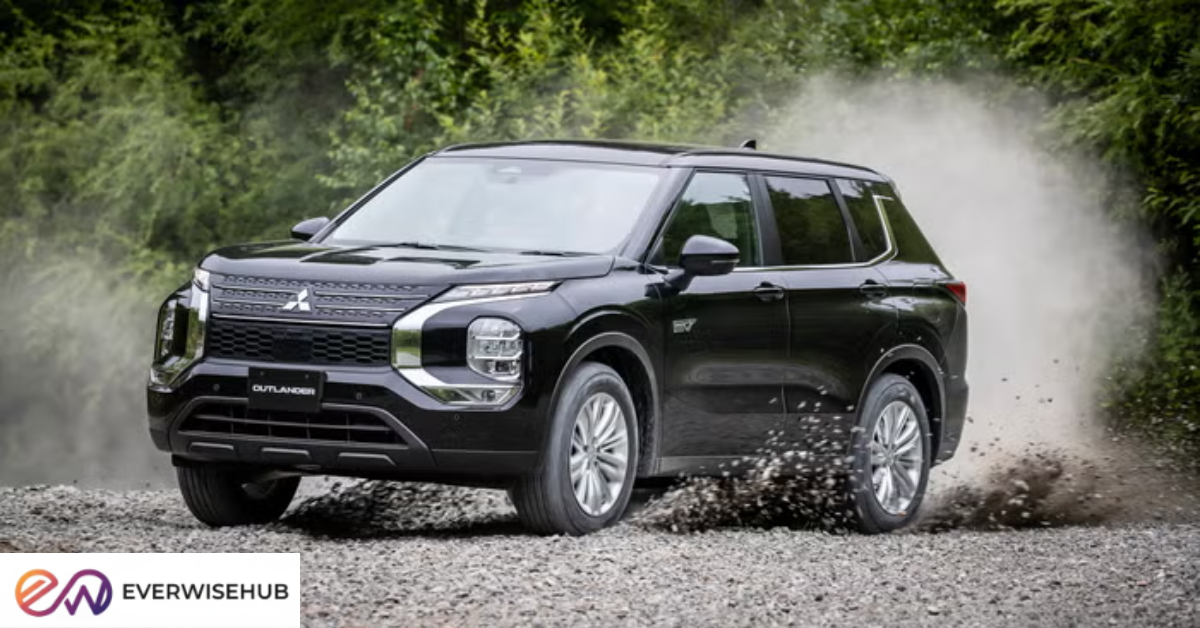
The Mitsubishi Outlander has evolved into a sharp-looking SUV. Its bold front grille, sculpted body lines, and LED lighting give it a confident stance on the road. It doesn’t look flashy for the sake of attention. Instead, it projects a clean and modern design language that appeals to a wide range of drivers.
From the side profile, the SUV feels solid and well-proportioned. The alloy wheels, roof rails, and aerodynamic shape contribute to both style and function. In city traffic, it looks upscale without feeling oversized. On highways, it maintains a stable and planted appearance.
For buyers who value curb appeal but don’t want to overspend, the Mitsubishi Outlander hits a sweet spot between elegance and practicality.
Interior Comfort and Cabin Quality
Seating and Space
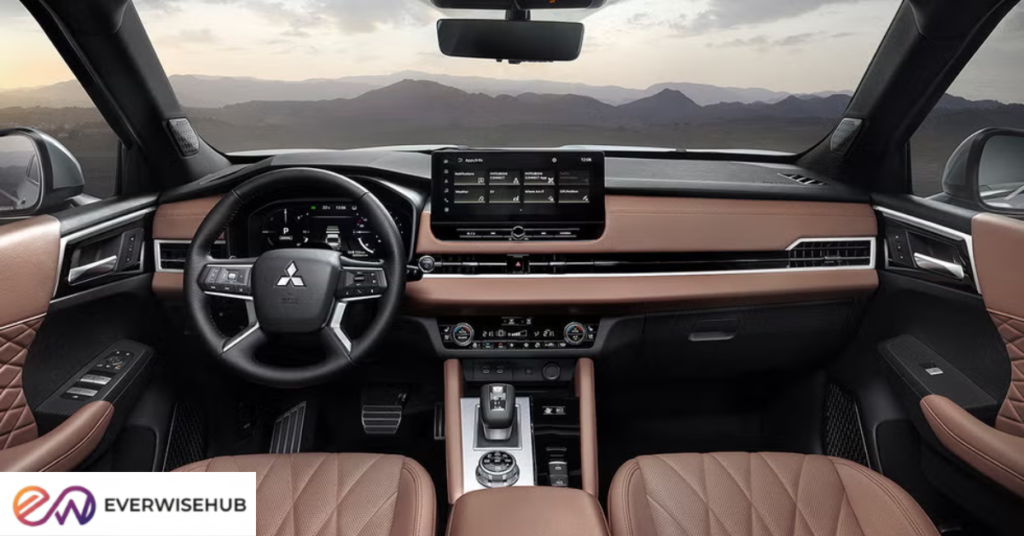
Step inside the Mitsubishi Outlander and you’ll notice a surprisingly refined cabin. Soft-touch materials, ergonomic seating, and thoughtful layout choices create a comfortable environment. The front seats provide good support for long drives, while the second row offers generous legroom.
The third row is best suited for children or short trips, but having that extra seating flexibility is a big plus for families. Cargo space is also competitive. With the rear seats folded down, the Outlander transforms into a capable hauler for luggage, groceries, or sports gear.
Technology and Infotainment
The infotainment system feels intuitive and responsive. A large touchscreen display supports smartphone integration, voice controls, and navigation features. Drivers get access to:
- Apple CarPlay and Android Auto
- Digital instrument cluster options
- Wireless charging in higher trims
- Multiple USB ports
- Premium audio systems
These features make everyday driving more enjoyable. Moreover, the user interface avoids unnecessary complexity, which many drivers appreciate.
Performance and Driving Experience
Engine and Handling
Under the hood, the Mitsubishi Outlander offers efficient powertrains designed for smooth daily driving. The standard engine delivers adequate horsepower for city commuting and highway cruising. Acceleration feels steady rather than aggressive, which suits its family-friendly character.
The steering is light and precise, making parking and tight maneuvers easy. Suspension tuning focuses on ride comfort, absorbing bumps and road imperfections effectively. As a result, passengers enjoy a calm and composed ride.
Fuel Economy
Fuel efficiency remains one of the Outlander’s strengths. For buyers watching their running costs, the Mitsubishi Outlander provides competitive mileage in its segment. Hybrid and plug-in hybrid variants push efficiency even further, appealing to eco-conscious drivers.
Lower fuel consumption translates into long-term savings. In addition, reduced emissions align with growing environmental awareness.
Safety Features and Driver Assistance
Safety is a major priority for modern SUV buyers, and the Mitsubishi Outlander delivers a strong package. It includes a suite of advanced driver assistance technologies designed to prevent accidents and enhance driver confidence.
Key safety features include:
- Adaptive cruise control
- Lane departure warning
- Automatic emergency braking
- Blind spot monitoring
- Rear cross-traffic alert
- Multiple airbags and stability control
Crash test ratings remain reassuring, and the SUV’s structural design emphasizes occupant protection. For families transporting children or elderly passengers, this focus on safety adds significant peace of mind.
Trim Levels and Pricing
The Mitsubishi Outlander is available in multiple trim levels, allowing buyers to choose based on budget and preferences. Entry-level models already include essential features, while higher trims introduce luxury touches like leather upholstery, panoramic sunroofs, and upgraded technology.
Here’s a simplified overview:
| Trim Level | Key Highlights |
|---|---|
| Base Model | Essential safety tech, touchscreen display, cloth seats |
| Mid Trim | Enhanced infotainment, alloy wheels, extra comfort features |
| Premium Trim | Leather interior, advanced audio, panoramic roof |
| Top Trim | Full tech package, premium finishes, driver aids |
Pricing remains competitive compared to rival SUVs. Moreover, Mitsubishi’s generous warranty coverage strengthens the value proposition.
Mitsubishi Outlander vs Competitors
In a crowded SUV market, comparison is unavoidable. The Mitsubishi Outlander competes with popular models like the Toyota RAV4, Honda CR-V, and Nissan Rogue. Each rival offers strengths in reliability, resale value, or brand reputation.
However, the Outlander stands out in a few areas:
- Standard third-row seating, rare in this segment
- Attractive warranty coverage
- Strong value for money
- Balanced comfort and practicality
While competitors may edge ahead in performance or brand prestige, the Outlander compensates with affordability and versatility.
Ownership Costs and Reliability
Long-term ownership costs matter just as much as the purchase price. The Mitsubishi Outlander generally offers reasonable maintenance expenses and dependable reliability. Routine servicing is straightforward, and parts availability remains stable in most markets.
Insurance rates tend to be moderate. In addition, the SUV’s fuel efficiency helps reduce monthly expenses. For budget-conscious families, these factors make a noticeable difference over several years of ownership.
Pros and Cons of the Mitsubishi Outlander
Every vehicle has strengths and weaknesses. An honest review should acknowledge both.
Pros
- Comfortable and spacious interior
- Competitive fuel efficiency
- Strong safety technology
- Flexible seating configuration
- Good warranty coverage
- Affordable pricing
Cons
- Modest engine performance
- Third row best for short trips
- Interior materials vary by trim
- Less sporty than some rivals
Understanding these trade-offs helps buyers make informed decisions.
Who Should Buy the Mitsubishi Outlander?
The Mitsubishi Outlander is ideal for drivers who prioritize practicality over performance thrills. Families needing extra seating, commuters seeking efficiency, and buyers looking for value will appreciate what it offers.
It may not excite performance enthusiasts, but it excels as a dependable daily vehicle. Moreover, its modern styling and technology features keep it competitive in a fast-evolving market.
Driving the Mitsubishi Outlander in Real Life
In everyday situations, the Mitsubishi Outlander feels approachable and user-friendly. Visibility is good, controls are intuitive, and the cabin remains quiet at highway speeds. Parking sensors and camera systems simplify urban driving.
On longer road trips, the supportive seats and smooth ride reduce fatigue. Passengers can relax with entertainment options and climate controls. These practical touches enhance overall satisfaction.
Hybrid and Future-Focused Options
As automotive technology advances, hybrid versions of the Mitsubishi Outlander gain attention. These models combine electric efficiency with gasoline reliability. Drivers benefit from lower fuel costs and quieter operation.
For environmentally conscious consumers, this hybrid approach represents a smart compromise. It delivers improved efficiency without the range anxiety associated with fully electric vehicles.
Final Verdict: Is It Worth Buying in 2026?
After evaluating design, comfort, performance, safety, and value, the Mitsubishi Outlander emerges as a sensible and well-rounded SUV. It may not dominate headlines with extreme performance or luxury branding. However, it consistently delivers where it matters most for everyday drivers.
If you want a practical family SUV with modern features, strong safety credentials, and reasonable ownership costs, the Mitsubishi Outlander is absolutely worth considering in 2026. It offers honest value in a segment often crowded with overpriced options.
Ultimately, the best way to decide is to experience it firsthand. Test drive the Mitsubishi Outlander, compare trims, and see how it fits your lifestyle. If this review helped clarify your options, share your thoughts or experiences and join the conversation. Your insight could help other buyers make a smarter choice.