
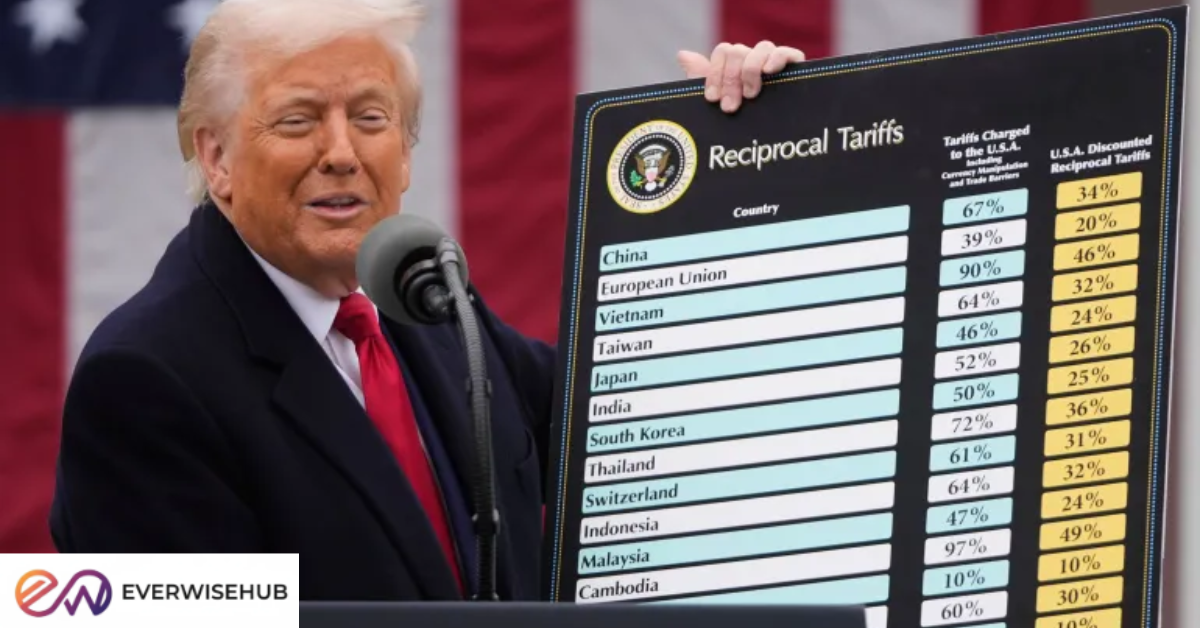
The world of business never stands still, but when news breaks about tariffs, it sends ripples across every industry, large and small. Recently, Trump tariffs news has once again captured headlines, sparking debates among economists, business owners, and investors. The question on everyone’s mind is: how do these policy changes affect businesses today? Whether you run a small local shop or a multinational corporation, the effects are real, immediate, and sometimes surprising.
In this article, we’ll break down the latest developments, explore the direct and indirect consequences for businesses, and offer practical insights on how companies are navigating this turbulent landscape.
What Are Tariffs and Why Do They Matter?
Tariffs are essentially taxes imposed on imported goods. When the government enacts a tariff, the cost of imported products rises, which can affect both suppliers and consumers. During Trump’s administration, a series of tariffs were placed on goods from countries such as China, Mexico, and the European Union, with the stated goal of protecting domestic industries and reducing trade deficits.
Businesses are directly impacted in several ways:
- Increased Costs: Companies that rely on imported raw materials face higher expenses.
- Pricing Adjustments: Higher costs often trickle down to consumers through increased product prices.
- Supply Chain Disruption: Tariffs can force businesses to find new suppliers, slowing production and delivery.
- Market Uncertainty: Investors and stakeholders may react to tariff news by adjusting strategies, affecting stock prices and capital availability.
Recent Developments in Trump Tariffs News
Over the past months, multiple reports have surfaced detailing adjustments, expansions, and delays in existing tariffs. Some key highlights include:
- The announcement of increased duties on steel and aluminum imports.
- Potential new tariffs on electronics and consumer goods.
- Ongoing negotiations with trade partners, especially in Asia.
This news isn’t just political chatter—it has tangible effects on businesses that rely on imported materials or global trade networks.
Industries Most Affected by Tariffs
While tariffs can touch almost every sector, certain industries feel the impact more acutely. Understanding these can help business owners and investors prepare for potential shifts.
1. Manufacturing
Manufacturers often depend on imported raw materials, machinery, and components. Tariffs increase the cost of production, forcing companies to either absorb losses or pass them onto consumers. For example, U.S. steel tariffs caused ripple effects in the automotive and construction sectors.
2. Retail
Retailers that sell imported goods face higher wholesale prices. Electronics, clothing, and furniture are particularly affected. Some businesses have responded by diversifying suppliers or adjusting pricing strategies to maintain profitability.
3. Agriculture
American farmers are highly vulnerable. Retaliatory tariffs from foreign governments on crops like soybeans and corn have reduced export opportunities. This can lead to oversupply in domestic markets and falling prices.
4. Technology
Tech companies often rely on global supply chains for components and assembly. Tariffs can increase costs for devices, gadgets, and software-related products, affecting profit margins and international competitiveness.
Real Business Examples
Let’s look at some concrete cases to understand the impact better:
| Company | Industry | Tariff Impact | Response |
|---|---|---|---|
| Ford | Automotive | Higher steel costs | Shifted production strategies & raised vehicle prices |
| Levi’s | Apparel | Increased cotton & denim prices | Explored alternative sourcing & adjusted retail pricing |
| Boeing | Aerospace | Aluminum tariffs | Negotiated supplier contracts & lobbied government |
| Archer Daniels Midland | Agriculture | Retaliatory tariffs on soy | Diversified export markets & reduced dependency on China |
These examples show that while tariffs create challenges, businesses can adapt with careful planning and proactive strategies.
How Businesses Are Responding
Business owners today are not sitting idle. Strategies to mitigate the impact of tariffs include:
- Diversifying Suppliers: Companies are looking beyond traditional markets to avoid dependency on tariffed imports.
- Reevaluating Pricing: Some businesses pass costs to consumers, while others absorb short-term losses to stay competitive.
- Investing in Automation: Reducing reliance on labor-intensive imports can offset higher costs.
- Lobbying and Advocacy: Industry associations often engage with policymakers to influence trade decisions.
- Stockpiling and Inventory Management: Firms anticipate potential cost increases by securing goods before tariffs take effect.
The Broader Economic Implications
Tariffs don’t just affect individual businesses—they ripple through the economy:
- Consumer Prices Rise: Everyday products, from electronics to clothing, become more expensive.
- Investment Shifts: Investors may move away from vulnerable sectors, impacting stock markets.
- Global Trade Tensions: Retaliatory tariffs from other countries can spark trade wars, creating uncertainty for multinational businesses.
- Supply Chain Realignment: Companies may re-shore production or shift to countries with fewer trade barriers.
Tips for Small Businesses
Small businesses are particularly sensitive to tariffs because they often lack the financial buffer of large corporations. Here’s how they can respond:
- Monitor Trade News: Stay informed about the latest Trump tariffs news to make timely decisions.
- Negotiate with Suppliers: Ask for bulk discounts or long-term contracts to lock in prices.
- Adjust Product Lines: Consider alternatives that are less affected by tariffs.
- Educate Customers: Transparency about price changes can maintain trust and loyalty.
- Explore New Markets: Expanding exports to countries unaffected by tariffs can offset losses.
Future Outlook: What Businesses Should Expect
While tariffs can be unpredictable, some trends are becoming clear:
- Businesses will continue diversifying global supply chains.
- Trade policy will remain a critical factor in strategic planning.
- Companies that proactively adapt are more likely to thrive, while those ignoring tariff developments risk profit erosion.
Moreover, monitoring Trump tariffs news closely can provide early warning signals for potential cost increases or opportunities to pivot.
Key Takeaways
- Trump tariffs news directly impacts costs, supply chains, and pricing strategies for businesses across industries.
- Manufacturing, retail, agriculture, and technology are among the most affected sectors.
- Companies are responding by diversifying suppliers, adjusting prices, and lobbying policymakers.
- Small businesses can survive and even thrive by staying informed, negotiating smartly, and exploring new markets.
- The ripple effects extend to consumers, investors, and global trade relations, making awareness crucial for business success.
Conclusion
In today’s fast-changing global economy, staying informed about Trump tariffs news is not optional—it’s essential. Businesses that act proactively can minimize risks, find opportunities, and maintain competitiveness. The key lies in understanding the impact, planning strategically, and staying agile.
By keeping a close eye on trade developments and adopting flexible strategies, companies of all sizes can navigate the challenges posed by tariffs. Share your thoughts on how tariffs have affected your business, and let’s start a conversation about smart solutions for today’s trade environment.