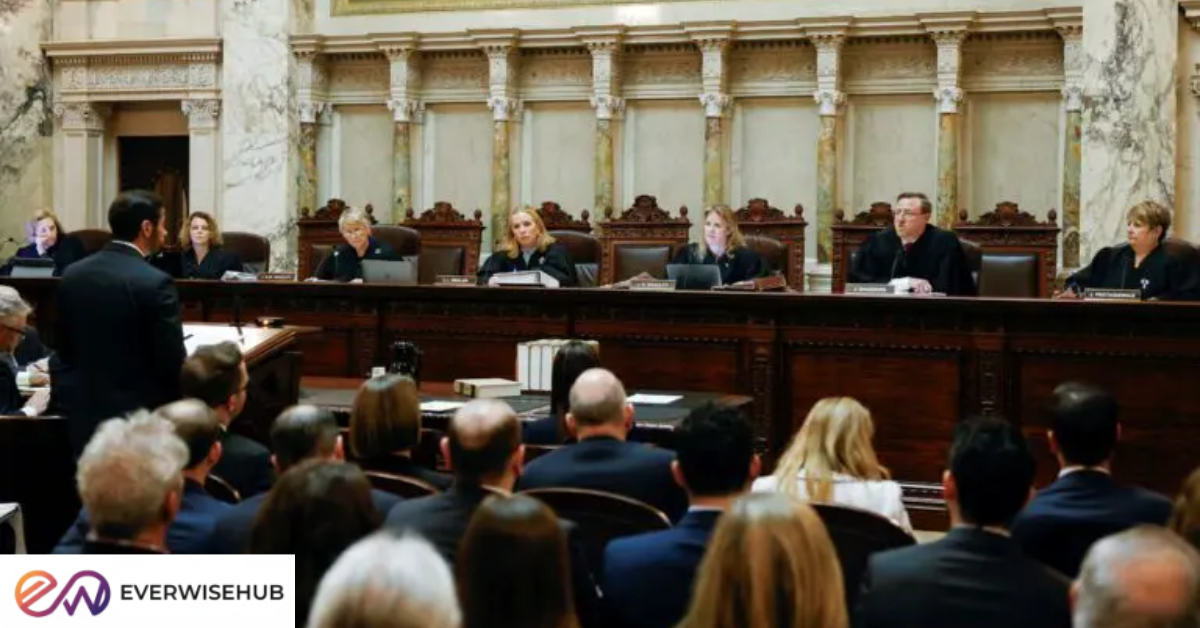
If you think judicial elections are quiet, low-stakes affairs, think again. The Wisconsin Supreme Court race has become one of the most closely watched and intensely debated elections in the country. What was once considered a nonpartisan judicial contest now carries major consequences for voting rights, abortion access, redistricting, public policy, and the balance of power in Wisconsin.
In recent years, the Wisconsin Supreme Court race has drawn national attention, record-breaking campaign spending, and fierce political debate. But beneath the headlines and political ads, many voters still ask the same question: What is really at stake?
In this detailed guide, we’ll break down everything you need to know—from the role of the Wisconsin Supreme Court to key election issues, campaign financing, voter turnout, judicial philosophy, and the long-term impact of this high-profile state election.
Why the Wisconsin Supreme Court Race Matters So Much
The Wisconsin Supreme Court is the highest court in the state. Its rulings shape state law, constitutional interpretation, and legal precedent. Unlike federal courts, justices here are elected by voters in statewide judicial elections.
That means the Wisconsin Supreme Court race is not just symbolic. It directly affects:
- State legislative redistricting
- Voting laws and election integrity rules
- Abortion access and reproductive rights
- Labor laws and union regulations
- Criminal justice policies
- Public education funding disputes
- Executive authority and separation of powers
In short, whoever wins the Wisconsin Supreme Court race can influence Wisconsin politics for years—sometimes even decades.
Understanding the Structure of the Wisconsin Supreme Court
The court consists of seven justices. Each justice serves a 10-year term. These long terms make every Wisconsin Supreme Court race especially significant because the ideological balance of the court can shift for a generation.
Key Features of the Court
- 7 justices total
- 10-year terms
- Statewide elections
- Nonpartisan ballots (but politically influenced campaigns)
- Majority vote determines case outcomes
Although officially nonpartisan, modern judicial elections in Wisconsin often reflect clear ideological divides between conservative and liberal candidates.
How the Wisconsin Supreme Court Race Became National News
Judicial elections used to attract limited public attention. However, recent Wisconsin Supreme Court races have shattered spending records. Outside political groups, political action committees, and national organizations now invest millions in campaign ads and voter outreach.
Why? Because Wisconsin is often a swing state in national elections. The state’s Supreme Court decisions can influence:
- Congressional district maps
- State legislative boundaries
- Election certification procedures
- Challenges to executive orders
As a result, the Wisconsin Supreme Court race has evolved into a battleground for broader political movements.
Major Issues at Stake in the Wisconsin Supreme Court Race
Let’s take a closer look at the issues shaping voter decisions.
1. Redistricting and Political Maps
Redistricting is one of the most contentious topics in Wisconsin politics. After each census, district maps are redrawn. Critics argue about partisan gerrymandering and fairness in representation.
The Wisconsin Supreme Court race often determines whether district maps are upheld or overturned.
2. Voting Rights and Election Laws
The court has ruled on absentee ballots, voter ID requirements, ballot drop boxes, and election administration rules.
Voters concerned about election security or voter access closely watch the Wisconsin Supreme Court race because the court can define how future elections are conducted.
3. Abortion Policy
After changes in federal law, state courts gained greater influence over abortion regulations. The Wisconsin Supreme Court race now plays a critical role in determining how state abortion laws are interpreted.
4. Labor and Business Regulations
The court also handles disputes involving unions, collective bargaining, employment law, and regulatory enforcement.
Business groups and labor organizations often invest heavily in the Wisconsin Supreme Court race due to its economic impact.
5. Criminal Justice Reform
From sentencing guidelines to constitutional rights, the court shapes how criminal law is applied statewide.
How Campaign Spending Influences the Wisconsin Supreme Court Race
One of the most controversial aspects of the Wisconsin Supreme Court race is campaign financing. Judicial candidates raise funds for advertising, digital campaigns, and voter outreach.
Spending trends often include:
- Television campaign ads
- Social media political advertising
- Direct mail campaigns
- Grassroots fundraising efforts
- Political endorsements
Critics argue that high campaign spending risks undermining judicial independence. Supporters say it increases voter awareness.
Regardless of perspective, the Wisconsin Supreme Court race consistently ranks among the most expensive judicial elections in the United States.
Judicial Philosophy: Why It Matters
When voters examine candidates in a Wisconsin Supreme Court race, judicial philosophy is crucial.
Some candidates emphasize:
- Strict constitutional interpretation
- Originalism
- Judicial restraint
Others highlight:
- Living constitution principles
- Expansive civil rights protections
- Broader interpretation of legislative intent
These differences can dramatically affect rulings on public policy and constitutional challenges.
Voter Turnout and Public Engagement
Historically, judicial elections saw lower turnout compared to presidential or gubernatorial races. However, recent Wisconsin Supreme Court races have broken turnout records.
Why the surge?
- Increased media coverage
- National political interest
- High-profile legal battles
- Clear ideological contrasts between candidates
Voter education campaigns now stress the importance of participating in state Supreme Court elections, not just federal contests.
Comparing Recent Wisconsin Supreme Court Races
Here’s a simplified comparison table to understand how these races have evolved:
| Factor | Past Elections | Recent Elections |
|---|---|---|
| Campaign Spending | Moderate | Record-breaking |
| Media Coverage | Limited | National headlines |
| Voter Turnout | Lower | Significantly higher |
| Political Involvement | Minimal | Heavy outside spending |
| Key Issues | Judicial experience | Redistricting, abortion, voting laws |
This shift shows how dramatically the Wisconsin Supreme Court race has changed over time.
The Impact on Wisconsin’s Political Landscape
The consequences of a Wisconsin Supreme Court race extend far beyond the courtroom. Court decisions can reshape:
- Legislative power
- Executive authority
- Administrative agency oversight
- Local government authority
- Education policy
- Tax law disputes
Because Wisconsin is often politically divided, a single justice can tip the balance on high-profile cases.
Media Influence and Public Perception
Political ads during the Wisconsin Supreme Court race often highlight endorsements, attack records, or emphasize judicial experience.
Media coverage includes:
- Candidate debates
- Editorial board interviews
- Public opinion polls
- Campaign finance reporting
- Fact-checking investigations
Public perception matters. Voters increasingly evaluate not just legal credentials but also temperament, ethics, and courtroom conduct.
Why Independent Voters Play a Big Role
Independent voters frequently decide close statewide elections in Wisconsin. In a competitive Wisconsin Supreme Court race, turnout among moderate voters can determine the final result.
These voters often focus on:
- Fairness and judicial integrity
- Professional background
- Public trust in the legal system
- Balanced decision-making
The Role of Endorsements
Endorsements can influence voter decisions. These may come from:
- Former judges
- Bar associations
- Political leaders
- Advocacy organizations
- Law enforcement groups
- Civil rights organizations
However, many voters prefer to evaluate candidates independently rather than rely solely on endorsements.
What Voters Should Research Before Casting a Ballot
If you’re preparing for a Wisconsin Supreme Court race, consider reviewing:
- Judicial experience and legal background
- Written opinions or published decisions
- Public statements on constitutional interpretation
- Campaign finance transparency
- Debate performance
- Professional conduct history
An informed voter strengthens the judicial system.
Common Misconceptions About the Wisconsin Supreme Court Race
There are several misunderstandings surrounding these elections.
Misconception 1: It’s just symbolic.
Reality: Court decisions carry binding legal authority.
Misconception 2: Justices don’t influence policy.
Reality: Court rulings shape how laws are applied and interpreted.
Misconception 3: Judicial elections are nonpolitical.
Reality: While technically nonpartisan, modern Wisconsin Supreme Court races often reflect broader ideological debates.
Long-Term Consequences of the Wisconsin Supreme Court Race
Because justices serve long terms, one election can impact:
- Generational legal precedent
- Business regulation stability
- Civil rights protections
- State constitutional interpretation
- Legislative redistricting cycles
The Wisconsin Supreme Court race therefore has lasting implications.
The Bigger Picture: Why It’s About More Than Politics
At its core, the Wisconsin Supreme Court race is about trust in the judicial branch. Courts are meant to interpret the law impartially. Voters want confidence that justices will uphold the constitution, respect legal precedent, and maintain judicial ethics.
In a politically divided environment, that trust becomes even more important.
How to Stay Informed
To follow a Wisconsin Supreme Court race effectively:
- Watch candidate debates
- Review voter guides
- Analyze policy positions
- Compare judicial experience
- Study past rulings
- Understand campaign funding sources
Moreover, discussing these issues with friends and family helps promote civic awareness.
Final Thoughts
The Wisconsin Supreme Court race is no longer a quiet judicial election tucked away on the ballot. It is a defining contest that shapes the state’s future.
From voting rights and redistricting to abortion policy and business regulations, the court’s decisions affect everyday life in Wisconsin. While campaign ads may focus on controversy, the deeper issue is judicial philosophy, constitutional interpretation, and long-term legal impact.
As a voter, your role is powerful. By researching candidates, understanding the stakes, and participating in the election, you help shape the direction of the state’s highest court.
So pay attention. Ask questions. Stay informed. And when election day arrives, make your voice heard. The Wisconsin Supreme Court race is more than a headline—it is a turning point for the rule of law in Wisconsin.