
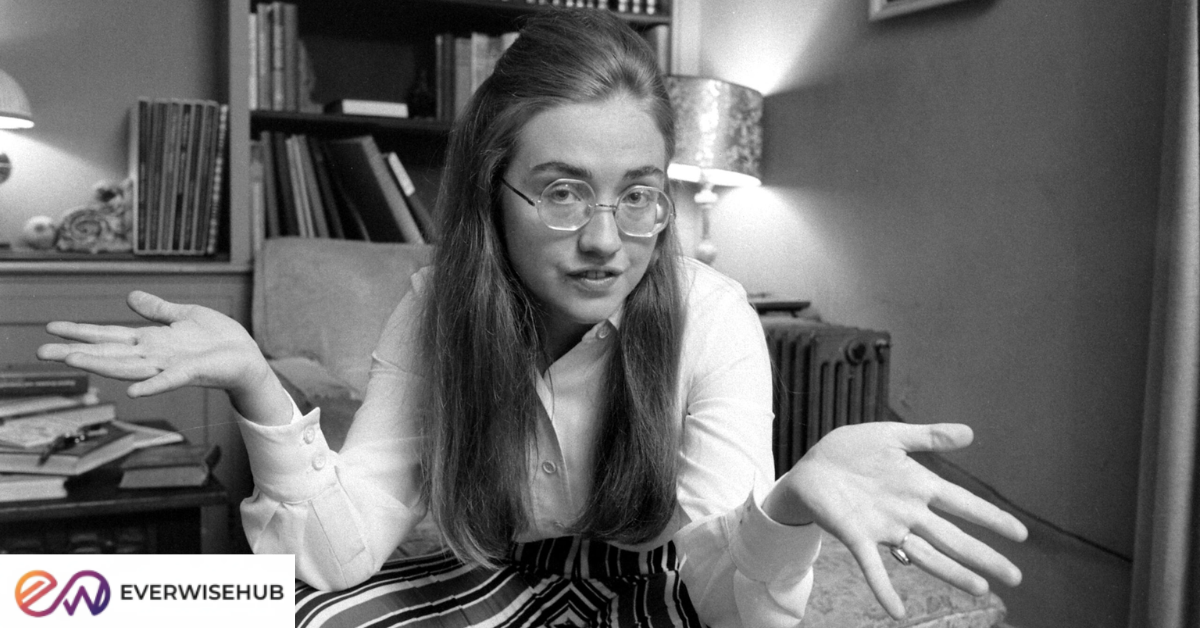
Have you ever wondered what sparks the fire in someone destined to change the world? Picture a young girl in the 1950s Midwest, dreaming big amid the era’s rigid expectations for women. That girl was young Hillary Clinton, whose early determination set the stage for a remarkable journey. From her suburban upbringing to her bold steps into law and politics, her story isn’t just history—it’s a blueprint for ambition. In a time when girls were often told to aim low, young Hillary Clinton pushed boundaries, proving that resilience and intellect could shatter ceilings. Let’s dive into how this ordinary start led to an extraordinary rise, one that continues to inspire generations.
What makes young Hillary Clinton’s path so captivating? It’s the blend of personal grit and historical timing. Growing up during the Space Race, civil rights movements, and the dawn of second-wave feminism, she absorbed lessons that shaped her worldview. Her story reminds us that leaders aren’t born—they’re forged through challenges and choices. As we explore her early years, you’ll see how a curious kid from Illinois became a force in American politics. And honestly, in today’s world, her tale feels more relevant than ever, showing how one person’s drive can ripple out to affect millions.
Early Life and Family Background
Young Hillary Clinton entered the world on October 26, 1947, in Chicago, Illinois, a bustling city that would soon give way to quieter suburban life. Her full name was Hillary Diane Rodham, and she was the eldest of three children in a tight-knit family. Her father, Hugh Rodham, ran a small drapery business, instilling in her a strong work ethic and conservative values. He was a staunch Republican, the kind who believed in pulling yourself up by your bootstraps. Her mother, Dorothy Rodham, was a homemaker with a more subtle influence—a quiet Democrat who had endured a tough childhood herself, working as a babysitter from a young age to escape family troubles.
The family moved to Park Ridge, a peaceful Chicago suburb, when young Hillary Clinton was just three. This middle-class neighborhood, with its tree-lined streets and community spirit, provided a stable backdrop for her formative years. But it wasn’t all idyllic; the Rodhams emphasized discipline and achievement. Young Hillary Clinton often recalls how her parents encouraged independence—her mom teaching her to stand up to bullies, and her dad pushing her to excel in everything from school to sports. In my opinion, this blend of tough love and support was crucial. It built the resilience that would define her later battles in politics.
Growing up Methodist, young Hillary Clinton was active in her church youth group, which sparked her early sense of social responsibility. She volunteered for food drives and even became a Girl Scout, learning leadership through badge-earning adventures. These experiences weren’t just hobbies; they planted seeds of advocacy. Moreover, the era’s events left a mark. The Space Race captivated her imagination—young Hillary Clinton wrote to NASA at age 14, asking how to become an astronaut. The response? Women weren’t accepted. That rejection, however stinging, fueled her determination to challenge gender norms.
Education and Formative Years
Education was the cornerstone of young Hillary Clinton’s rise. Her parents prioritized learning, and she thrived in Park Ridge’s public schools. Starting at Maine East High School, she transferred to the new Maine South High School for her senior year. There, young Hillary Clinton shone brightly. She joined the student council, wrote for the school newspaper, and earned a spot in the National Honor Society. Her grades were stellar—she graduated in the top 5 percent of her class as a National Merit Finalist.
But it wasn’t all smooth sailing. Young Hillary Clinton ran for class president in her senior year and lost to two boys. One even quipped that a girl couldn’t win. Ouch. Instead of deterring her, this sparked a fire. She had been vice president the year before, proving her leadership chops. These high school moments highlight her early political ambition. In addition, she was voted “most likely to succeed,” a nod to her peers’ recognition of her potential.
Wellesley College: A Turning Point
In 1965, young Hillary Clinton headed to Wellesley College, an all-women’s institution near Boston. Majoring in political science, she started as president of the Young Republicans Club, echoing her father’s views. However, the turbulent 1960s shifted her perspective. The Vietnam War protests, civil rights riots, and assassinations of Martin Luther King Jr. and Robert Kennedy profoundly affected her. By graduation, young Hillary Clinton had switched to the Democratic Party, embracing progressive ideals like women’s rights and social justice.
Her time at Wellesley culminated in a groundbreaking moment. As the first student commencement speaker, young Hillary Clinton delivered a speech that critiqued the establishment and called for change. It landed her in Life magazine, marking her as a rising voice. This exposure was huge—suddenly, the world saw young Hillary Clinton as a trailblazer. Looking back, it’s clear how Wellesley honed her intellect and activism. The all-female environment empowered her, showing that women could lead without apology.
Yale Law School and Meeting Bill
Graduating in 1969, young Hillary Clinton enrolled at Yale Law School, one of just 27 women in her class. Here, her passion for advocacy deepened. She served on the board of the Yale Review of Law and Social Action, focusing on issues like child welfare and family law. Summers were spent interning—once going door-to-door for the Children’s Defense Fund in Massachusetts, gathering data on underserved families.
It was at Yale that young Hillary Clinton met Bill Clinton, a fellow student from Arkansas. Their connection was instant; he was charismatic and ambitious, she was sharp and driven. They started dating, blending their shared commitment to public service. By 1973, with her JD in hand, young Hillary Clinton turned down lucrative law firm offers to work on the Watergate impeachment inquiry as congressional legal counsel. At 26, she was helping investigate President Nixon—a high-stakes role that tested her mettle.
This period solidified her as a legal powerhouse. Young Hillary Clinton’s choices reflected her values: prioritizing impact over income. In fact, her Yale experiences bridged her academic world to real-world change, setting the tone for her lifelong fight for equality.
Early Career and Advocacy
After Yale, young Hillary Clinton’s career took off with purpose. In 1974, she moved to Arkansas to be with Bill, who was running for Congress. Though he lost, they married in 1975 in a simple ceremony. She kept her maiden name initially—Hillary Rodham—a bold choice in the conservative South. As a lawyer at the Rose Law Firm, she became the first woman hired there, earning accolades as one of America’s top lawyers.
Her advocacy for children and families was relentless. Young Hillary Clinton co-founded Arkansas Advocates for Children and Families and chaired the Arkansas Education Standards Committee during Bill’s governorship. She balanced this with motherhood; their daughter Chelsea arrived in 1980. Despite the demands, young Hillary Clinton pushed for reforms in education and health care, often facing criticism for her active role.
In the 1980s, as First Lady of Arkansas, she led bipartisan efforts to improve foster care and reduce teen pregnancy. These initiatives showcased her pragmatic style—working across aisles for results. However, challenges arose; when Bill lost re-election in 1980, some blamed her “Yankee” ways and name choice. She adapted, becoming Hillary Rodham Clinton, and helped him win back the governorship.
Young Hillary Clinton’s early career wasn’t without setbacks, but each one built her resilience. Her work with the Children’s Defense Fund continued, influencing national policies. By the 1990s, as Bill eyed the presidency, her influence grew. She championed health care reform, though the 1993 plan failed—it highlighted her commitment to universal coverage.
Hillary Clinton Bio
Here’s a quick overview of Hillary Clinton’s key details in a simple table format:
| Attribute | Details |
|---|---|
| Full Name | Hillary Diane Rodham Clinton |
| Date of Birth | October 26, 1947 |
| Age | 78 (as of 2026) |
| Profession | Politician, Lawyer, Author, Diplomat |
| Nationality | American |
| Net Worth (approx.) | $120 million (combined with Bill Clinton) |
| Notable Works / Achievements | First Lady of the United States (1993-2001), U.S. Senator from New York (2001-2009), U.S. Secretary of State (2009-2013), 2016 Democratic Presidential Nominee; Books: “It Takes a Village,” “Living History,” “Hard Choices”; Advocate for women’s rights, children’s health, and global diplomacy |
This bio captures the essence of her journey, from young Hillary Clinton’s roots to her global impact.
The Path to National Prominence
As Bill Clinton’s 1992 presidential campaign heated up, young Hillary Clinton—now in her 40s but building on her youthful foundations—became a key asset. She defended him amid scandals, famously saying on TV, “I’m not sitting here like some little woman standing by my man like Tammy Wynette.” That line drew flak but showed her feistiness. Once in the White House, she took an unprecedented West Wing office, leading the Task Force on National Health Care Reform.
Though the plan didn’t pass, it paved the way for future reforms like the Children’s Health Insurance Program. Young Hillary Clinton’s influence extended globally; she spoke at the 1995 UN Conference on Women in Beijing, declaring, “Women’s rights are human rights.” This speech resonated worldwide, cementing her as a feminist icon.
Her resilience shone during personal trials, like the Monica Lewinsky scandal. Instead of retreating, she ran for Senate in 2000, becoming the first First Lady elected to public office. Winning in New York, she focused on post-9/11 recovery and economic issues. By 2008, her presidential bid broke barriers, though she lost the nomination to Barack Obama. He appointed her Secretary of State, where she visited 112 countries, advancing diplomacy on climate change and human rights.
Reflecting on young Hillary Clinton’s inspiring rise, it’s evident her early ambitions—nurtured in Park Ridge, sharpened at Wellesley and Yale—propelled her forward. She faced gender bias head-on, turning obstacles into opportunities. For instance, that NASA letter? It symbolized the limits she refused to accept. Today, her story motivates young women in STEM and politics alike.
Challenges and Triumphs Along the Way
No rise is without hurdles. Young Hillary Clinton encountered sexism early, from high school elections to Arkansas politics. Critics called her too ambitious, too opinionated. Yet, she persisted. In the Senate, she collaborated with Republicans on bills for military families and rural health. As Secretary of State, she navigated crises like the Arab Spring and bin Laden raid.
Her 2016 presidential run was historic—she won the popular vote but lost the Electoral College. The campaign highlighted divisions, but young Hillary Clinton’s spirit endured. Post-election, she authored books like “What Happened,” sharing lessons on resilience. Moreover, her foundation work continues, focusing on girls’ education globally.
What can we learn? Determination pays off. Young Hillary Clinton’s path shows that embracing change—shifting from Republican to Democrat, adapting her public image—leads to growth. In addition, her emphasis on family balanced her career; Chelsea’s success as an author and advocate reflects that.
Lasting Impact and Lessons
Young Hillary Clinton’s legacy extends beyond titles. She’s a role model for work-life balance, proving women can have it all—career, family, influence. Her advocacy inspired policies like paid family leave and equal pay. Furthermore, her Georgetown University award recognizes women’s peace-building roles, echoing her Beijing speech.
In conversations about feminism, young Hillary Clinton often comes up as a pioneer. She paved ways for figures like Kamala Harris. However, her story isn’t flawless; controversies like email scandals tested trust. Still, her transparency in memoirs builds authenticity.
Conclusion
Wrapping up young Hillary Clinton’s inspiring rise, it’s clear her journey from a Chicago suburb to global stages was driven by unyielding ambition and advocacy. From high school leadership to Yale’s halls, and Arkansas reforms to White House battles, she transformed challenges into triumphs. Her early life taught us that curiosity, education, and resilience forge leaders. Today, at 78, her influence endures through books, speeches, and philanthropy.
If this story resonates, why not share it with a friend or aspiring leader? Drop a comment below: What aspect of young Hillary Clinton’s path inspires you most? Let’s keep the conversation going—after all, her rise reminds us that anyone can aim high and make a difference.