What Is Cazón en Adobo and Why Everyone Is Searching for It
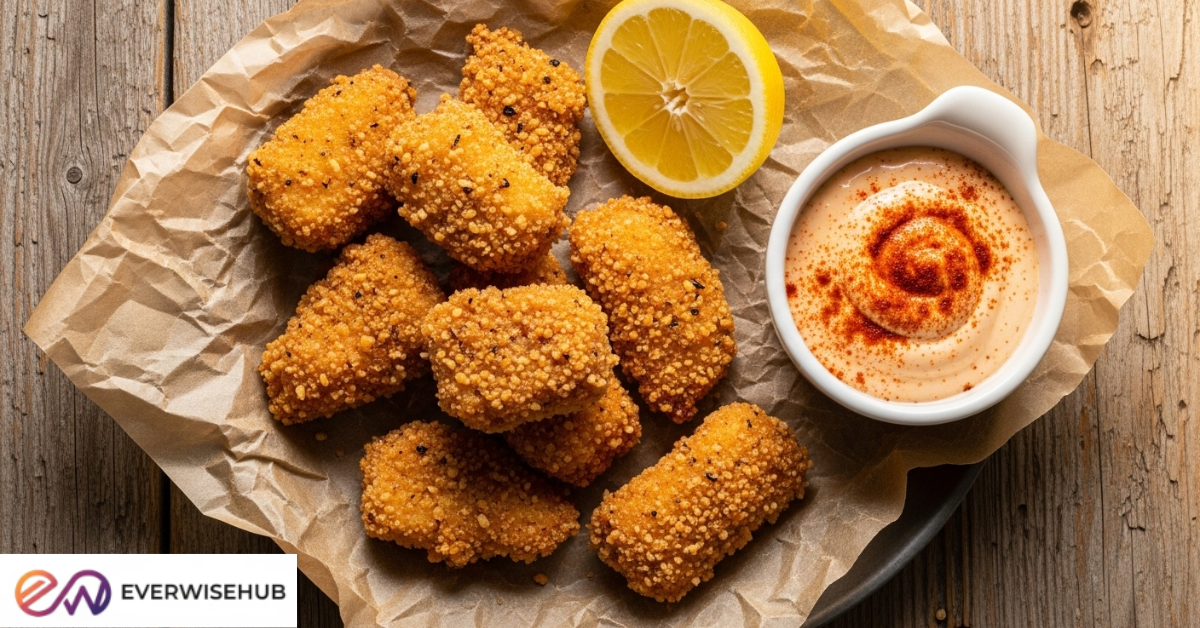
If you have ever typed “best cazón en adobo near me” into a search engine on a warm afternoon, you already know the craving that comes with it — that unmistakable pull toward golden, crispy, aromatic fried fish that seems to belong to a different, sunlit world. Cazón en adobo is one of the most celebrated dishes in traditional Andalusian cuisine, originating from the coastal regions of southern Spain, particularly in cities like Cádiz and Málaga. It refers to marinated dogfish shark — known locally as cazón — that is steeped in a fragrant blend of vinegar, garlic, cumin, oregano, and paprika before being dusted in flour and fried to a perfect crisp.
The dish has traveled far beyond its Andalusian roots. Today, you can find variations of it in Latin American coastal cuisines, particularly in Mexico, Colombia, and Venezuela, where the tradition of marinating and frying firm white fish carries similar cultural weight. Understanding the dish before you go searching for it locally is the first step toward a truly satisfying dining experience. This guide exists to give you everything you need — from the cultural history of the dish to practical advice on evaluating quality at a local restaurant, and even tips on recreating it at home if the search comes up short.
The Cultural and Culinary History of Cazón en Adobo
Andalusia’s Gift to the World of Fried Fish

Cazón en adobo is deeply embedded in the food culture of southern Spain’s Andalusia region. The tradition of adobo — the Spanish word for marinade or pickling liquid — dates back centuries, with roots in Moorish culinary influence. The Moors who inhabited the Iberian Peninsula for hundreds of years brought with them a sophisticated knowledge of spice use, vinegar preservation, and aromatic cooking techniques that permanently shaped what we now call Andalusian cuisine. The combination of vinegar and fragrant spices in the marinade was not merely for flavor; it was originally a preservation technique designed to keep fish edible in the warm Mediterranean climate before modern refrigeration existed.
The shark used in the dish — most commonly dogfish or similar small shark species — was an affordable and widely available catch along the Cádiz coastline. Fishermen’s families turned humble, inexpensive ingredients into something remarkable through patience and seasoning. The fish is typically left to marinate for anywhere from four hours to a full day, allowing the acidic marinade to gently begin breaking down the flesh while infusing it with layers of cumin, garlic, and bright paprika. When it hits the hot oil, the outside becomes a shatteringly crisp golden shell while the inside remains tender, moist, and deeply flavored.
The Freiduría Culture and Street Food Tradition
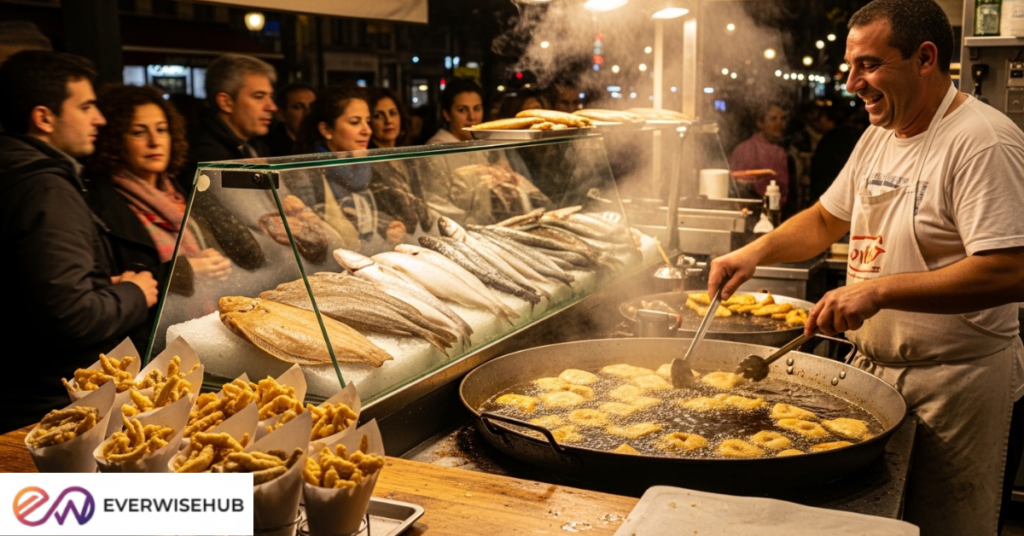
One of the most authentic places to eat cazón en adobo in its native context is at a freiduría — a traditional Andalusian fried fish shop that operates somewhat like a fast-food stall but with a reverence for quality and technique that rivals any fine dining establishment. These shops typically display their fresh catches on ice, take your order, and fry everything to order in large, clean vessels of very hot olive oil. The result is served in a paper cone or on a plate with a simple wedge of lemon. No elaborate sauces, no heavy garnishes. Just pure fried fish in all its glory.
This culture of street food and communal eating around fried fish has influenced Spanish food culture broadly, and understanding it helps explain why people searching for “cazón en adobo near me” are often looking for something more than just a meal — they are searching for an experience rooted in warmth, conviviality, and authentic culinary tradition.
How to Find the Best Cazón en Adobo Near You
Search Strategies That Actually Work
Finding authentic cazón en adobo in your city requires a combination of the right search terms and a degree of cultural literacy. Most Spanish restaurants that serve the dish will list it under its full name, so searching specifically for “cazón en adobo” in Google Maps, Yelp, or TripAdvisor is your most targeted approach. If you live in a city with a significant Spanish-speaking population or a vibrant Latin American food scene, your chances of finding a version of this dish are considerably higher.
In cities with established Spanish communities — such as Miami, Los Angeles, New York, Chicago, or Houston — tapas bars and Andalusian-style restaurants frequently feature cazón en adobo as part of their menu. You can also look for it under related names. In some Mexican coastal regions, particularly around the Yucatán and Veracruz, marinated and fried shark or similar firm white fish appears under names like tiburón frito or pescado en escabeche, and the preparation shares the adobo spirit even if the spice profile differs slightly.
When reading restaurant menus online, look for keywords that signal authenticity: “adobo marinade,” “cumin and oregano,” “fresh dogfish,” or descriptions that mention marinating time. Restaurants that take the time to mention their marinade process on a menu tend to take the dish seriously.
Online Review Platforms and Community Forums
Beyond generic restaurant searches, food-specific communities can be extraordinarily helpful. Platforms like Reddit’s r/SpanishFood or r/FoodNYC (or equivalent city subreddits) regularly feature posts from food lovers asking about specific dishes, and the responses often come from people with firsthand knowledge. Similarly, Facebook groups dedicated to Spanish cooking or expatriate Spanish communities are excellent places to ask where locals go for the best cazón en adobo in your area.
Google Maps reviews are particularly useful when they are filtered by language. If a restaurant’s cazón en adobo is earning praise specifically in Spanish-language reviews, that is often a reliable sign that the dish is authentic and meeting the expectations of people who grew up eating it.
What Separates Good Cazón en Adobo from Great Cazón en Adobo
The Marinade: Where Quality Begins
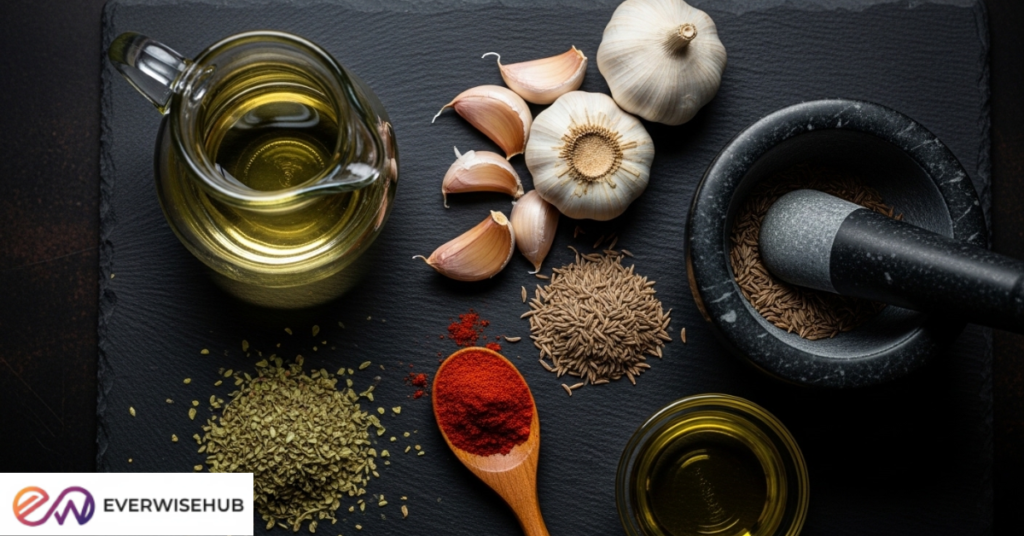
A truly exceptional cazón en adobo lives or dies in its marinade. The classic Andalusian adobo uses white wine vinegar as its acidic base, garlic crushed with a mortar and pestle, ground cumin, dried oregano, sweet smoked paprika, and sometimes a pinch of turmeric or saffron. The proportions matter enormously — too much vinegar and the fish becomes aggressively sharp; too little and the marinade fails to penetrate the flesh or accomplish its tenderizing function.
When you taste a properly marinated piece of cazón, the vinegar should be a background note rather than a dominant flavor. The cumin should be present but not overwhelming. The garlic should have mellowed and sweetened through its time in the acidic liquid. What you should notice above all is a harmony of flavors that seems almost impossible given how few ingredients are involved. This is the mark of a dish made with care and experience.
Restaurants that cut corners on the marinade — using pre-marinated frozen fish or shortening the marinade time to a few minutes — produce fish that tastes flat, overly sour, or simply like generic fried fish. If you have ever eaten cazón en adobo and found yourself wondering what all the fuss is about, it was almost certainly a marinade problem.
The Frying: Technique and Oil Quality
The second pillar of exceptional cazón en adobo is the frying technique. The fish should be dredged in fine wheat flour — not a thick batter, not breadcrumbs, not any of the elaborate coatings that modern chefs sometimes introduce. The flour crust should be thin, uniform, and golden. It exists to create texture and to help the exterior crisp without letting the interior dry out.
The oil must be hot enough — typically around 180 to 190 degrees Celsius — that the exterior seals almost instantly upon contact. If the oil is not hot enough, the flour absorbs oil rather than crisping, and the result is a greasy, heavy piece of fish that bears almost no resemblance to what the dish should be. Many food scientists and professional chefs note that temperature control is the single most common failure point in restaurant fried fish of all kinds.
Traditionally, olive oil is used for frying cazón en adobo in Andalusia, and it contributes a subtle richness to the flavor that no other frying medium can replicate. Some restaurants substitute sunflower or vegetable oil for cost reasons, and while this is not disqualifying, a restaurant using good-quality olive oil for frying signals a commitment to tradition worth noting.
Freshness of the Fish
Because the marinade masks some indicators of freshness, it is especially important that cazón en adobo be made from fish that was fresh before marinating. A common quality shortcut is to use the marinade as a way of salvaging fish that is slightly past its prime — the vinegar and spices can hide off flavors that would otherwise be noticeable in a simpler preparation. An experienced diner can usually detect this as a slightly musky or ammoniated quality in the finished dish, particularly noticeable in the thicker pieces.
When visiting a restaurant, do not hesitate to ask your server whether the fish is fresh or previously frozen, and when it was delivered. Reputable establishments are almost always happy to share this information because it reflects well on them.
Cazón en Adobo in Latin American Coastal Cuisine
While the dish’s roots are unmistakably Andalusian, variations of marinated and fried shark or firm white fish have become beloved parts of several Latin American coastal food traditions. In Venezuela, carne de tiburón — shark meat prepared with a vinegar-based marinade — appears in empanadas that are eaten as breakfast or street food along the Caribbean coast. In Mexico’s Campeche and Yucatán regions, shark meat prepared with achiote and citrus marinade reflects the same preservation logic that gave birth to cazón en adobo in Spain centuries ago.
If you are in a city with a strong Venezuelan, Colombian, or Mexican coastal food presence and you cannot find a Spanish restaurant serving the Andalusian version, these Latin American preparations offer a closely related experience. The flavor profiles differ — Latin American versions tend to use citrus more heavily and may include chili — but the underlying philosophy of transforming humble shark meat through marination and frying is the same.
How to Evaluate a Restaurant Serving Cazón en Adobo
Physical Cues and Presentation
When your order of cazón en adobo arrives, take a moment to observe before you eat. The pieces should be relatively uniform in size — roughly bite-sized or slightly larger — which indicates that the kitchen is cutting the fish properly rather than serving irregular chunks that fry unevenly. The coating should be uniformly golden, with no pale patches suggesting undercooked areas or dark spots indicating oil that was too hot.
The dish should arrive hot and immediately fragrant. The aroma of good cazón en adobo is distinctive — earthy from the cumin, slightly sharp from the vinegar, and warming from the paprika and garlic. If it smells primarily of oil or of nothing in particular, the marinade was likely insufficient.
Texture and Taste
Bite into a piece and pay attention to the contrast between the crisp exterior and the tender interior. The flesh should flake gently but hold together, never crumbling or falling apart. It should be moist without being underdone. The flavor should build in layers — first the slight richness of the fried coating, then the savory depth of the cumin and garlic, then a bright, clean finish from the vinegar and paprika.
Cazón en adobo is typically served with lemon wedges and sometimes a simple green salad or fried peppers. It is also a classic tapa, meaning it is designed to be eaten as part of a larger meal alongside bread, olives, and other small plates. Ordering it as a standalone dish is perfectly valid, but experiencing it in its traditional tapa context gives you a fuller sense of its intended role in a meal.
Making Cazón en Adobo at Home When You Cannot Find It Nearby
Sometimes the search for the best cazón en adobo near me ends in frustration, particularly if you live in a city with limited Spanish culinary presence. In that case, making it at home is a deeply rewarding project that requires minimal equipment and produces results that rival many restaurant versions.
The key is sourcing the right fish. Dogfish shark is the traditional choice, but smooth-hound shark, flake, or even firm-fleshed white fish such as monkfish or thick-cut cod can work well as substitutes. The fish should be cut into pieces roughly four to five centimeters across. For the marinade, combine white wine vinegar, olive oil, crushed garlic, ground cumin, sweet smoked paprika, dried oregano, a pinch of salt, and optionally a small amount of turmeric. The fish should soak in this marinade for a minimum of four hours in the refrigerator, though overnight produces noticeably better results.
When ready to cook, remove the fish from the marinade, shake off the excess, and dredge each piece lightly in plain wheat flour. Fry in batches in hot olive oil until deeply golden on all sides — this typically takes two to three minutes per batch. Drain on paper towels, season lightly with salt, and serve immediately with lemon wedges.
The experience of making cazón en adobo at home also gives you a profound appreciation for what restaurants are doing when they execute it well. The timing, temperature control, and marinade balance that produce an exceptional plate are skills that take practice, and understanding those challenges makes you a better-informed consumer when you are dining out.
Conclusion
Cazón en adobo is one of those dishes that rewards patience and intentionality. It is humble in its ingredients, sophisticated in its execution, and deeply connected to centuries of culinary tradition that stretches from the fishing villages of Andalusia to the coastal markets of Latin America. Searching for the best cazón en adobo near me is not just about satisfying a craving — it is about connecting with a living food tradition that has survived and thrived because it is genuinely, wonderfully delicious.
Use the guidance in this article to sharpen your search, evaluate your options wisely, and know what to look for when you find a place that makes it. When the right restaurant delivers the right plate — golden, fragrant, perfectly crisp, with that deep, harmonious marinade — you will understand immediately why people travel across cities, and sometimes across oceans, to find it.
FAQs
What kind of fish is used in cazón en adobo?
Traditionally, cazón refers to dogfish shark or similar small shark species found along the Andalusian coast of Spain. In Latin American versions, other shark species or firm white fish are commonly used as substitutes.
Can I make cazón en adobo without shark?
Yes. Monkfish, thick-cut cod, halibut, or any very firm white fish can substitute for shark. The key is that the fish holds together during frying and absorbs the marinade without falling apart.
How long should cazón marinate?
At minimum four hours, but overnight marinating — up to 12 to 16 hours — produces significantly more flavorful and tender results. Avoid marinating longer than 24 hours as the vinegar will begin to break down the fish too aggressively.
Is cazón en adobo the same as escabeche?
They are related but distinct. Escabeche typically refers to fish cooked and then preserved in a vinegar marinade, while cazón en adobo involves marinating raw fish before frying. Both techniques use vinegar and aromatics but produce quite different results in texture and flavor.
What should I look for in a restaurant serving cazón en adobo?
Look for mentions of fresh fish sourcing, traditional Andalusian preparation, and a menu that treats the dish with specificity rather than listing it generically. Golden, crispy coating, a fragrant cumin-and-vinegar aroma, and moist, flaky interior are the hallmarks of a well-made version.
Is cazón en adobo gluten-free?
In its traditional form, no — the fish is dredged in wheat flour before frying. However, many cooks and restaurants substitute rice flour or chickpea flour for a gluten-free version with excellent results.