Introduction
There is something deeply personal about the way we choose to decorate our living spaces. A home is not simply four walls and a roof — it is the backdrop of every story we tell, every meal we share, and every moment of quiet reflection we experience. When it comes to decoration tips, Decoradyard has consistently stood out as a trusted voice in the world of interior and exterior styling, guiding homeowners through the sometimes overwhelming landscape of design choices with clarity, warmth, and genuine expertise.
Whether you are redesigning a single room, refreshing your outdoor yard, or embarking on a complete home makeover, the principles behind great decoration remain the same: intentionality, harmony, and a deep understanding of how space affects mood. In this comprehensive guide, we draw on the best decoration tips Decoradyard offers — combining proven design philosophies with fresh, modern ideas that are as functional as they are beautiful.
From color palettes and furniture arrangement to lighting strategies and outdoor landscaping, this article covers everything you need to know to make your space feel like it was designed just for you.
Understanding the Foundation of Interior Decoration
Why Good Design Starts with a Clear Vision
Before picking a single throw pillow or paint swatch, experienced interior designers will tell you that the most important thing you can do is clarify your vision. This means thinking seriously about how you actually use your space, what emotions you want it to evoke, and what existing elements — whether architectural features, heirloom furniture, or personal collections — you want to build around.
Decoradyard emphasizes that great home decoration does not begin at the furniture store. It begins with a mood board, a conversation, or even just a long, honest look around the space you are trying to transform. Ask yourself what makes you feel at ease, what aesthetic environments you are naturally drawn to, and what practical requirements your household demands. The answers to these questions form the foundation of every smart design decision.
Studies in environmental psychology have consistently shown that our physical surroundings have a measurable impact on our stress levels, creativity, productivity, and even sleep quality. This makes the act of thoughtful home decoration far more than a cosmetic exercise — it is an investment in your wellbeing and the wellbeing of everyone who shares your home.
The Role of Proportion and Scale in Home Styling
One of the most common decorating mistakes homeowners make is ignoring the principles of proportion and scale. A massive sectional sofa in a tiny living room, or a delicate side table paired with an oversized armchair, creates a visual imbalance that the eye immediately recognizes as wrong, even if the viewer cannot articulate exactly why.
Understanding scale means selecting furniture and decor elements that are appropriately sized relative to the room and to each other. A good rule of thumb from Decoradyard’s design philosophy is that furniture should occupy roughly two-thirds of the available floor space in any given room, leaving enough breathing room for traffic flow and visual comfort. Rugs, in particular, are often undersized — a common error that makes even beautiful furniture arrangements feel disconnected and incomplete. Your area rug should be large enough that at least the front legs of your key furniture pieces rest on it.
Color Theory and Palette Selection for Every Room
Choosing the Right Colors to Set the Mood
Color is arguably the single most powerful tool in the interior decorator’s toolkit. It can make a small room feel expansive, a cold space feel warm, and a chaotic environment feel serene. The decoration tips from Decoradyard place significant emphasis on understanding how color behaves in different lighting conditions and how it interacts with other elements in the room.
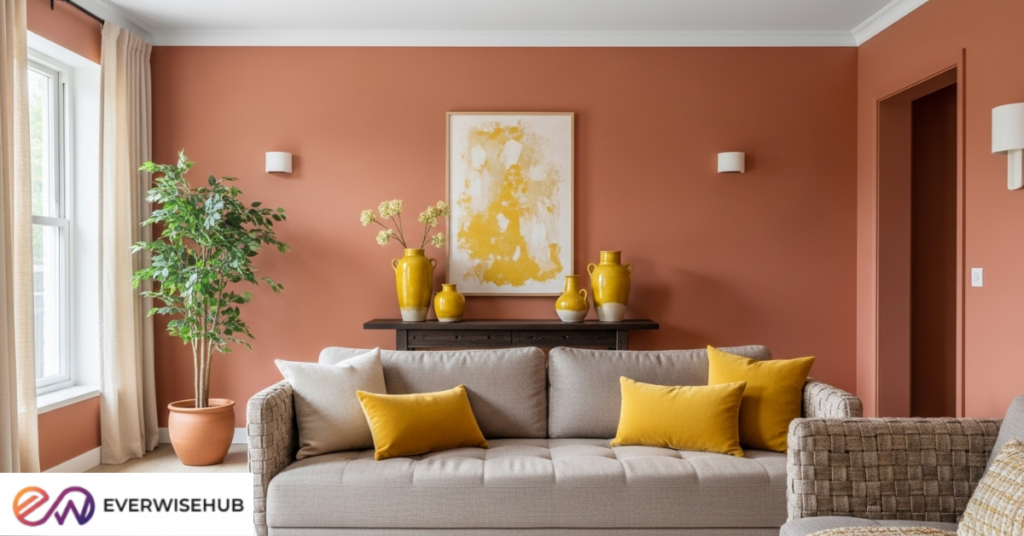
Warm tones — burnt orange, mustard yellow, terracotta, and earthy reds — create a sense of coziness and intimacy that works beautifully in dining rooms, libraries, and living rooms where social warmth is the goal. Cool tones — soft blues, sage greens, lavender, and crisp whites — lend themselves to bedrooms, bathrooms, and home offices where calm and focus are the desired emotional registers.
Neutral palettes, which have dominated interior design trends for the past decade, offer tremendous flexibility because they allow you to introduce personality through textiles, artwork, and accessories that can be changed seasonally without requiring a full repaint. A warm greige or sophisticated taupe on the walls becomes a canvas rather than a statement, giving you the freedom to evolve your space over time.
The 60-30-10 Rule Explained
Professional designers, including those whose work is featured on Decoradyard’s platform, frequently reference the 60-30-10 color rule as a practical guide to building a balanced palette. The principle is straightforward: sixty percent of the room should be a dominant color, typically applied to the walls and large furniture pieces. Thirty percent should be a secondary color, used for upholstery, curtains, and accent furniture. The remaining ten percent is reserved for accent colors — those pops of vibrancy or contrast introduced through cushions, vases, artwork, and decorative objects.
This framework provides structure without rigidity, allowing for personal expression within a system that virtually guarantees visual harmony. The key is choosing accent colors that either complement or meaningfully contrast with the dominant tone to create intentional visual interest rather than accidental clutter.
Furniture Arrangement and Space Planning
Creating Flow and Functionality in Your Living Areas
The way furniture is arranged in a room profoundly affects how the space is experienced. Poor arrangement can make even the most beautiful pieces feel awkward and the most generous rooms feel cramped. One of the most consistently valuable decoration tips from Decoradyard is to think about conversation zones — groupings of seating that are close enough for comfortable interaction without requiring raised voices.
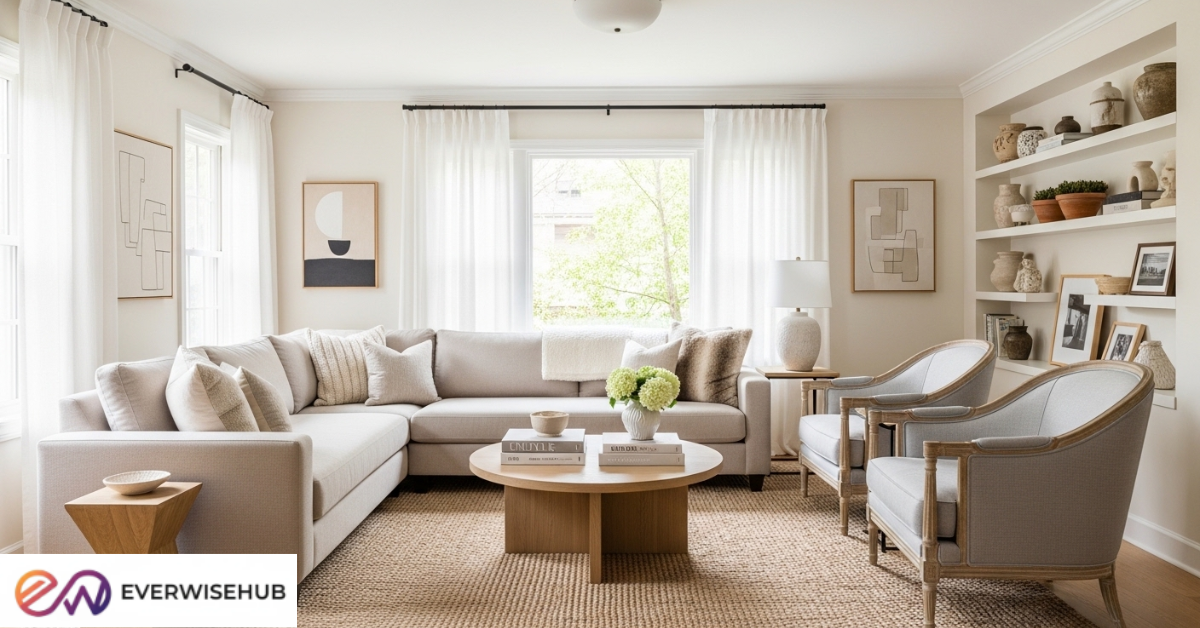
In a living room, this typically means positioning sofas and chairs so that occupants face each other at a comfortable angle, with a coffee table centrally located within easy reach of all seating. Avoid pushing all furniture against the walls, which is one of the most common amateur decorating instincts — it actually makes rooms feel smaller and creates an odd, gymnasium-like quality to the space.
In dining rooms, ensure there is a minimum of thirty-six inches between the table and the wall or other furniture to allow chairs to be pushed back and people to move around freely. In bedrooms, the bed should generally be the focal point, positioned against the most prominent wall and flanked by matching or complementary bedside tables for visual symmetry.
Multi-Functional Furniture for Modern Living
Contemporary home design increasingly demands that spaces serve multiple purposes — the home office that doubles as a guest room, the living area that converts to a play space, the kitchen island that functions as a dining table. Smart decoration, as advocated by Decoradyard, embraces multi-functional furniture as a both practical and aesthetically sophisticated solution.
Ottoman storage benches, sofa beds, extendable dining tables, and wall-mounted desks that fold flush when not in use are all examples of furniture that solves real problems without sacrificing style. Look for pieces with clean lines and quality materials that will age gracefully and integrate seamlessly with the rest of your design scheme.
Lighting: The Element That Makes or Breaks a Room
Layering Light for Depth and Atmosphere
Lighting is the element of interior decoration that is most frequently overlooked by homeowners and most frequently referenced by professional designers as the difference between a good room and a great one. Natural light is always the starting point — maximizing it through the strategic placement of mirrors, the use of sheer rather than heavy window treatments, and the choice of light-reflective surfaces and finishes.
Artificial lighting should be layered across three categories: ambient lighting, which provides the overall illumination of the room; task lighting, which is directed at specific areas where activities like reading, cooking, or working take place; and accent lighting, which is used to highlight architectural features, artwork, or decorative objects. Decoradyard’s decoration tips consistently emphasize that relying solely on a single overhead ceiling fixture — the decorating equivalent of fluorescent lighting in an office — flattens a room visually and eliminates the atmospheric depth that makes spaces feel truly designed.
Dimmers are an inexpensive addition that dramatically expands the range of moods a space can achieve, allowing the same room to feel energizing at noon and romantic at midnight.
Pendant Lights, Floor Lamps, and Statement Fixtures
Beyond their functional purpose, lighting fixtures are decorative objects in their own right. A statement pendant over a dining table, an arc floor lamp beside a reading chair, or a cluster of varied-height table lamps on a console table all contribute significantly to the visual character of a room. When selecting fixtures, consider not only the quality and direction of the light they emit but also how they look when switched off — the form of a lighting fixture contributes to the room’s aesthetic even during daylight hours.
Outdoor and Yard Decoration: The Decoradyard Philosophy
Treating Your Outdoor Space as an Extension of Your Home
The name Decoradyard reflects a philosophy that the yard — whether a sprawling garden, a compact urban terrace, or a modest balcony — deserves the same level of thoughtful design attention as any interior space. Outdoor living has grown significantly in cultural importance over the past decade, accelerated by a collective reawakening to the psychological and physical benefits of spending time in natural settings.
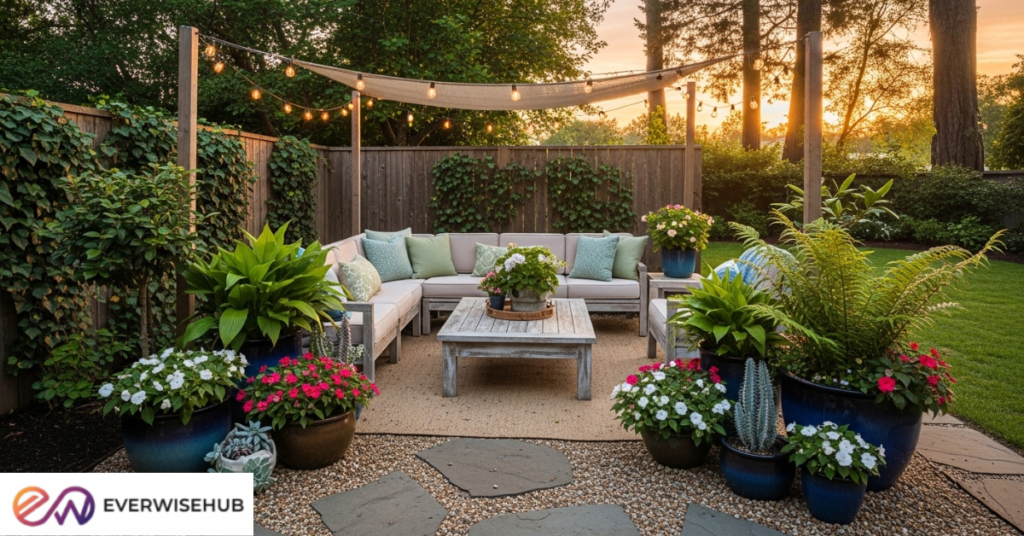
Creating an inviting outdoor space begins with defining zones just as you would indoors. A seating area, a dining zone, a garden or planting area, and pathways connecting them form the basic vocabulary of a well-designed yard. The addition of outdoor rugs, weather-resistant cushions, ambient string lighting, and potted plants immediately transforms a bare patch of grass or concrete into a livable extension of the home.
Plant Selection and Landscaping for Year-Round Beauty
Plants are the living, breathing decorative elements of the outdoor space, and their selection requires consideration of your climate, your maintenance capacity, and the aesthetic qualities you want to achieve across different seasons. Decoradyard recommends building an outdoor planting scheme around a backbone of structural evergreen plants that provide year-round form and color, supplemented by flowering perennials that offer seasonal variation and seasonal interest.
Container gardening is particularly valuable for those working with limited space or impermanent arrangements. Large terracotta or powder-coated metal planters filled with a combination of tall structural plants, mid-level flowering specimens, and trailing varieties at the edges create lush, layered compositions that are easy to update and rearrange as the seasons change.
Textiles, Textures, and the Art of Layering
How Fabric Choices Define the Feeling of a Room
Textiles are among the most transformative and accessible tools in home decoration. Curtains, cushions, throws, upholstery, and rugs each contribute texture, warmth, color, and pattern — and each can be changed relatively easily and affordably when you want to refresh a space without committing to major investment.
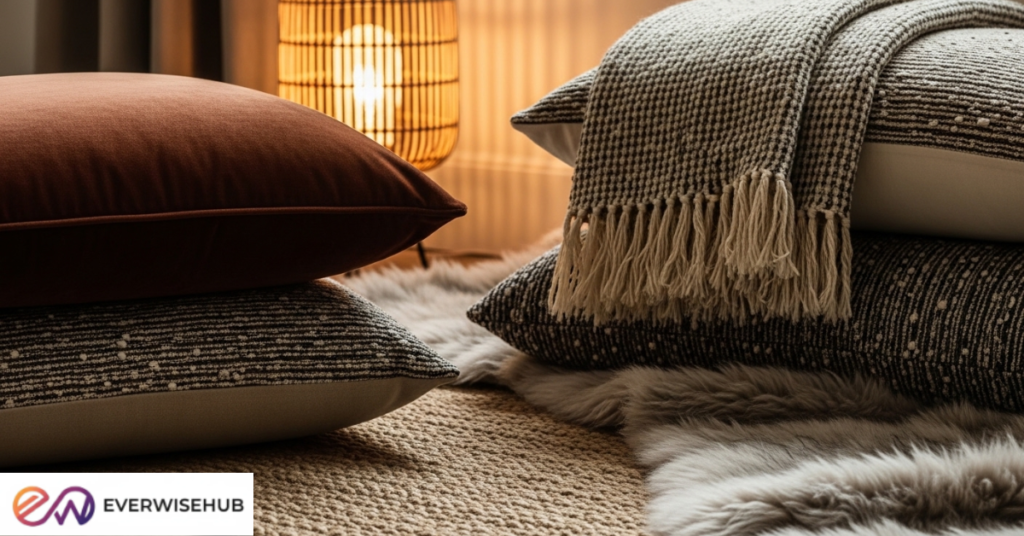
The key to using textiles effectively, according to Decoradyard’s home styling guidance, is layering. A room that contains only one type of textile — say, a linen sofa with linen cushions and linen curtains — will feel flat even if all the individual pieces are beautiful. Combining different weights, weaves, and textures creates the kind of tactile richness that makes spaces feel genuinely inviting.
Think about pairing a smooth velvet cushion with a rougher woven throw, or placing a plush sheepskin rug over a flat-weave jute base rug in overlapping layers. These combinations add depth and a sense of considered curation that elevates a room from simply furnished to beautifully decorated.
Personalizing Your Space: Art, Objects, and Meaningful Display
The Power of Personal Collections and Curated Displays
No decoration guide would be complete without addressing the question of how to make a space feel genuinely personal rather than like a showroom. Decoradyard’s decorating philosophy is firm on this point: the objects you display in your home should mean something to you. Whether that is a collection of travel souvenirs, a gallery wall of family photographs, inherited ceramics, or found objects from nature, the presence of personal narrative is what transforms a well-designed space into a home.
Curated display requires editing as much as it requires accumulation. More is not better. Grouping objects by color, material, or theme creates visual coherence, while varying the heights and sizes within a grouping maintains interest. The classic rule of odd numbers — displaying items in groups of three or five rather than two or four — creates more organic and visually dynamic arrangements.
Gallery Walls and Artwork Placement
Artwork is often one of the last things people think about when decorating, but it should arguably be one of the first. A well-chosen piece of art can anchor an entire room’s color palette, establish its mood, and tell the story of the person who lives there more effectively than almost any other single element.
When hanging artwork, the standard guideline is to position the center of the piece at eye level — approximately fifty-seven to sixty inches from the floor. For gallery walls, it helps to plan the arrangement on the floor first before committing to nail holes, ensuring the overall composition is balanced and the spacing between pieces is consistent.
Sustainable and Budget-Conscious Decorating
Making Beautiful Spaces Without Breaking the Bank
Exceptional decoration does not require an unlimited budget. Some of the most visually compelling homes are achieved through a combination of investment in a few key quality pieces and creative sourcing of everything else. Decoradyard’s practical decorating tips regularly address the question of how to allocate a decoration budget wisely — and the consensus is to spend more on items that receive heavy use and will be seen prominently (sofas, dining tables, quality light fixtures) and less on items that are easily replaced or less central to the room’s visual identity.
Thrift stores, estate sales, online resale platforms, and antique markets are extraordinary sources of unique, character-rich pieces that cannot be replicated by mass-market retailers. A vintage wooden chest of drawers refinished in a contemporary color, an antique mirror in an ornate frame hung above a sleek modern console, or a set of mismatched vintage dining chairs unified by the same paint color — these kinds of combinations create the layered, curated look that is genuinely difficult to achieve by shopping from a single source.
Conclusion
Great decoration is never the result of a single inspired purchase or a single weekend of rearranging. It is a process of observation, refinement, and genuine engagement with the spaces you inhabit. The decoration tips and design philosophy associated with Decoradyard share a common thread: respect for the people who live in a space, attention to the way that space makes them feel, and confidence that thoughtful, intentional design choices — however modest — always yield meaningful results.
Whether you are updating a single bedroom, reimagining your yard, or undertaking a whole-home transformation, return to these principles: start with vision before purchases, balance proportion and scale, layer your lighting, choose colors that serve the mood you want to create, personalize with objects that carry meaning, and treat your outdoor space with the same care as your interiors. With these foundations in place, every room you touch will feel more like a home.
FAQs
What is the best way to start decorating a room from scratch?
The best starting point is always to clarify the purpose and desired feeling of the room before making any purchases. Create a mood board using images that inspire you, identify the room’s existing fixed elements (flooring, architectural features), and build your color palette and furniture choices around a coherent vision.
How can I decorate on a tight budget?
Focus your budget on high-impact, high-use items and supplement with secondhand finds, DIY projects, and simple updates like new paint, cushion covers, or rearranged furniture. Even small changes to lighting can make a dramatic difference at minimal cost.
What are the most important decoration tips for small spaces?
Prioritize light colors to open up the space visually, use mirrors to create the illusion of depth, choose multi-functional furniture, avoid over-decorating, and ensure your rugs and key furniture pieces are properly scaled to the room rather than undersized.
How do I create a cohesive look across an open-plan living space?
Use a consistent color palette and complementary materials across zones. Define individual areas with rugs, lighting, and furniture arrangement while maintaining a visual thread — through repeating colors, materials, or design motifs — that ties the whole space together.
Is it possible to mix different interior design styles?
Absolutely. The most interesting and personal interiors often combine elements from different periods and styles. The key is to find a unifying principle — whether a consistent color palette, a common material, or a shared level of visual formality — that allows different elements to coexist harmoniously.