

Introduction
You open your closet every morning, stare at a rail packed with clothes, and still feel like you have nothing to wear. Sound familiar? You’re not alone — it’s one of the most common wardrobe frustrations out there, and the fix might surprise you. The answer isn’t more clothes. It’s fewer, better ones.
That’s exactly what minimalist wardrobe essentials for beginners is all about. It’s a way of dressing that prioritizes quality over quantity, intentionality over impulse buying, and confidence over clutter. And right now, it couldn’t be more relevant. With the rise of slow fashion, sustainability conversations, and a cultural pivot away from fast-fashion excess, more people are turning to minimalism not just as an aesthetic, but as a lifestyle choice.
Whether you’re tired of decision fatigue, trying to shop more sustainably, or simply want to look put-together every single day without thinking too hard about it, this guide is for you. We’ll walk through everything — what minimalist dressing really means, which pieces you actually need, how to style them, and where to start. Let’s simplify your life, one clothing item at a time.
What Are Minimalist Wardrobe Essentials?
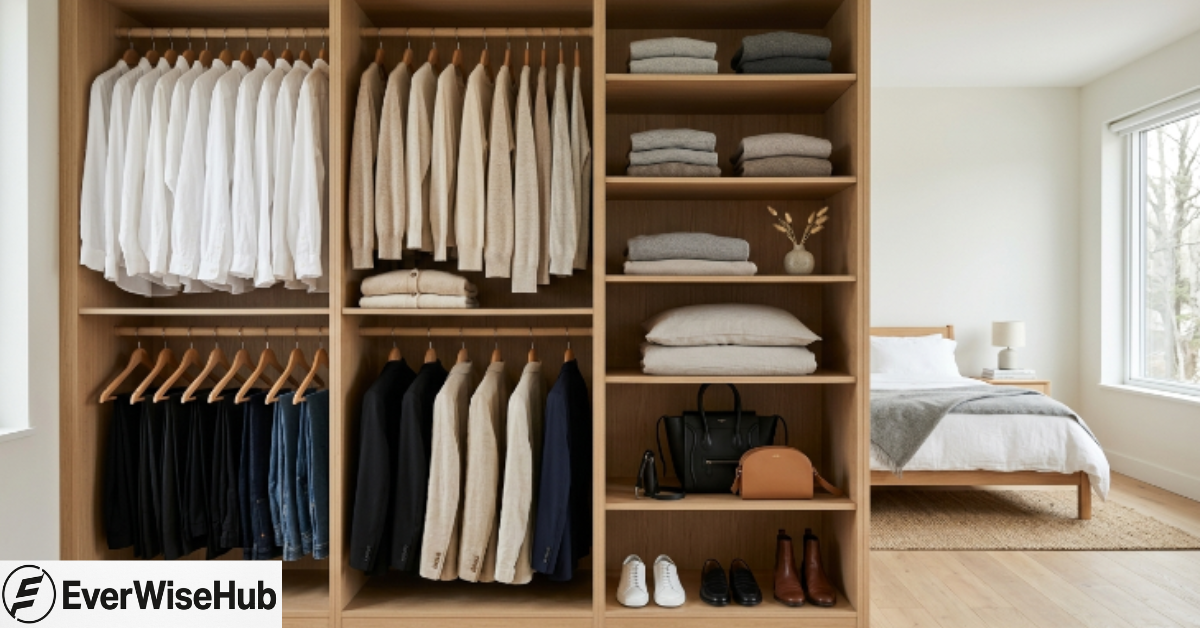
At its core, a minimalist wardrobe is a curated collection of versatile, high-quality clothing pieces that work together seamlessly. The idea is simple: own less, wear more. Every item in your closet earns its place by being functional, flattering, and flexible enough to create multiple outfits.
The concept traces back to the capsule wardrobe idea introduced by London boutique owner Susie Faux in the 1970s, later popularized by fashion designer Donna Karan. But what was once a niche styling approach has become a global movement. Minimalist wardrobe essentials for beginners today means choosing timeless basics over trendy pieces, neutral palettes over seasonal fads, and intentional shopping over retail therapy.
Think of it as building a personal uniform — not boring or restrictive, but reliable. A white button-down shirt. A well-cut pair of dark jeans. A classic trench coat. These are the kinds of pieces that don’t go out of style and work across a variety of occasions.
The beauty of minimalism is that it removes the noise. When everything in your closet fits well, flatters you, and coordinates effortlessly, getting dressed becomes genuinely enjoyable. You stop wasting mental energy on outfit decisions and start focusing on what actually matters in your day. That’s the quiet power of building a minimalist wardrobe from the ground up.
Why Minimalist Wardrobe Essentials Are Trending Right Now
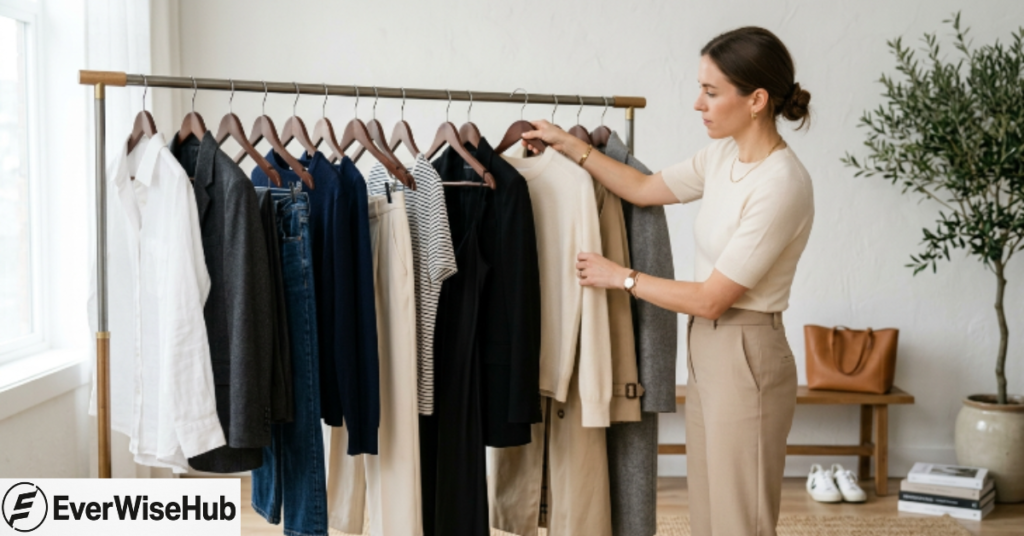
Minimalism in fashion isn’t just a Pinterest board aesthetic anymore — it’s a full cultural shift, and it’s picking up serious momentum.
Part of it is economic. After years of fast fashion flooding the market with cheap, disposable clothing, people are realizing that buying a $12 top five times is worse than buying a $50 one that lasts five years. The math hits differently when you’re staring at a pile of worn-out polyester. Minimalist wardrobe essentials for beginners offer a more financially sensible approach to fashion in the long run.
Then there’s the environmental conversation. The fashion industry is one of the world’s largest polluters, and consumers are waking up to that. Choosing fewer, better-made pieces is one of the most tangible ways individuals can reduce their fashion footprint. It’s activism you can wear.
Celebrities and style icons have also played a huge role. Think about the clean, effortless wardrobes of figures like Carolyn Bessette-Kennedy (whose minimalist style has had a massive resurgence recently), Zendaya’s off-duty looks, or the quiet luxury movement championed by designers like The Row and Totême. These aren’t loud, logo-heavy wardrobes — they’re restrained, refined, and deeply intentional.
Social media, ironically, has also helped. The “outfit of the day” culture has shifted from quantity (posting a new look daily) to quality (crafting genuinely compelling looks from a small number of great pieces). The minimalist aesthetic photographs beautifully, communicates confidence, and ages well online. It’s a style that doesn’t expire.
Types of Minimalist Wardrobe Essentials You Need
Not all minimalism looks the same. The category is broader than you might think, and understanding the different approaches helps you build a wardrobe that feels authentically yours.
Classic Minimalism — The Foundation Pieces
This is where most people start, and for good reason. Classic minimalism is built on neutral, timeless basics: a crisp white tee, straight-leg black trousers, a tailored blazer, and clean white sneakers. These are the pieces that anchor every outfit. They’re versatile, seasonless, and easy to mix and match. If you’re completely new to minimalist dressing, start here. Build a foundation of five to ten pieces in neutral tones — white, black, grey, navy, camel — and you’ll have the bones of a wardrobe that works for almost any occasion. These items rarely go out of style and provide the most cost-per-wear value over time.
Soft Minimalism — Texture and Tone Play
Soft minimalism is for those who want warmth and depth without adding visual complexity. Instead of sharp contrasts, this style leans into tonal dressing — layering different shades of the same color family — and introduces texture as a design element. Think a cream silk blouse tucked into oatmeal linen trousers, or a chunky knit in dusty rose with taupe wide-leg pants. The palette stays restrained, but the outfit feels rich and layered. This approach works beautifully for people who find classic black-and-white minimalism a bit cold or stark. It’s understated luxury, and it suits a wide range of body types and skin tones because the tonal approach creates a lengthening, cohesive effect.
Functional Minimalism — Workwear-Focused Capsule
If your priority is dressing for a professional environment, functional minimalism is your framework. This approach centers on a tightly edited work wardrobe that transitions smoothly from desk to dinner. We’re talking tailored trousers in navy or charcoal, a selection of well-cut blouses, one or two structured blazers, and a few versatile dresses that read as polished. The goal is maximum outfit combinations from minimum pieces. A functional minimalist might own fifteen items that create thirty distinct work outfits. Every piece is chosen with intention: does it fit well, is it easy to care for, and does it work with at least three other things in the wardrobe? If the answer is yes, it earns a spot.
Elevated Casual Minimalism — Everyday Effortless
This is the approach that lives between dressed-up and dressed-down — think the “off-duty model” aesthetic, but accessible. Elevated casual minimalism is about wearing simple pieces with polish: a perfectly fitted crew-neck tee with wide-leg trousers and loafers, or a longline cardigan over a slip dress with minimal jewelry. The items themselves are uncomplicated, but the fit, quality, and styling make the look feel intentional. This style is ideal for people with creative jobs, flexible schedules, or anyone who wants to look great on weekends without feeling overdressed. It’s also the most approachable category for true beginners because the pieces feel relaxed but still deliberate.
How to Choose the Right Minimalist Wardrobe Essentials for Your Lifestyle
Building a minimalist wardrobe isn’t one-size-fits-all. Your lifestyle, body, and personal taste all influence which pieces make the most sense for you.
Start by Auditing Your Life
Before you buy anything, think honestly about how you spend your days. If you work from home four days a week, you don’t need a rail full of office separates. If you live in a hot climate, heavy wool basics aren’t your friend. Map out a realistic week — work, social, fitness, errands — and let that dictate the ratio of items you need. A good rule of thumb is to allocate your wardrobe proportionally to how you actually live, not how you wish you lived.
Dress for Your Body, Not the Trend
Minimalist dressing works best when everything fits beautifully. A $15 t-shirt that fits perfectly beats a designer piece that bunches and pulls. Pay attention to where things sit on your body — trouser length, shoulder seams, shirt hem — and don’t be afraid to get items tailored. Small alterations can transform a good piece into a great one. Minimalism isn’t about looking like someone else’s moodboard; it’s about finding the clean lines and silhouettes that make you feel most like yourself.
H3: Build for Your Budget Smartly
You don’t need to spend a fortune to build a minimalist wardrobe essentials collection that works beautifully. The smart approach is to invest in items you’ll wear constantly — a good quality coat, one pair of well-fitting trousers, a leather or faux-leather bag — and save on pieces that see less wear. Mid-range brands often offer excellent basics. Look for natural fabrics (cotton, linen, wool) over synthetic ones for better longevity and comfort. Buy less, but buy better. That mindset is the true financial logic of minimalism.
Expert Styling Tips — How to Wear Your Minimalist Wardrobe
Here’s where the real magic happens. Owning the right pieces is step one; knowing how to style them is what takes a minimalist wardrobe from functional to genuinely beautiful.
Start by mastering the tuck. A half-tuck of a shirt into trousers or a skirt instantly adds shape and polish to even the simplest outfit. It’s a small detail that signals intentionality. Similarly, rolling up sleeves, cinching a waist with a delicate belt, or folding a trouser hem can elevate a basic look without adding a single extra piece.
Proportion is everything in minimalist dressing. Balance oversized with slim — a roomy blazer with straight-leg trousers, or a fitted turtleneck with wide-leg pants. This creates visual interest without relying on pattern or color.
Keep your color palette cohesive. The beauty of a neutral wardrobe is that everything plays well together. If you introduce one accent color — burgundy, forest green, cobalt — make sure you own at least two or three pieces in that shade so it integrates naturally rather than sticking out.
Invest in accessories that do the heavy lifting. In a minimal wardrobe, a single piece of good jewelry, a structured bag, or a quality leather belt can completely transform an outfit. Think of accessories as the punctuation of your look — they change the sentence without rewriting it.
Finally, care for your clothes. Minimalist dressing rewards quality, and quality lasts when it’s looked after. Learn to steam instead of iron, store knitwear folded rather than hung, and wash delicates gently. The longer your pieces last, the better your investment becomes.
Common Mistakes to Avoid When Building a Minimalist Wardrobe
Plenty of people start their minimalist wardrobe journey with the best intentions and still end up frustrated. Here are the pitfalls to watch for.
The biggest mistake is buying everything in a neutral color just because it’s neutral. Not all neutrals play well together. A cool-toned grey and a warm-toned camel can clash in ways that feel off. Before adding a piece, hold it against your existing items. Does it actually coordinate? Don’t assume neutral equals automatically versatile.
Another common error is starting over from scratch. You don’t need to throw out your entire wardrobe on day one. Start by identifying the pieces you already love and wear constantly — those are the bones of your minimalist wardrobe essentials. Build around what already works.
People also underestimate the power of fit. Buying a beautiful minimalist piece in the wrong size and assuming it’ll “do” is the fastest way to stop wearing it. Fit first, always.
Finally, don’t mistake minimalism for boring. A minimalist wardrobe can have personality — interesting textures, beautiful cuts, a signature color or silhouette. The goal is simplicity and intention, not dullness. Let your taste guide the edit, not just the rules.
Where to Buy and What to Look for When Shopping Minimalist Essentials
Smart shopping is half the battle when building a minimalist wardrobe. Here’s what to prioritize.
Fabric quality is your top filter. Natural materials — cotton, linen, merino wool, silk — breathe better, feel better, and last longer than synthetic blends. Check labels before buying and opt for higher natural fiber content wherever possible. This alone will dramatically improve how your clothes wear and age.
When shopping online, read reviews carefully and check the return policy before committing. Fit is harder to judge on a screen, so look for brands with detailed size guides and customer photos in multiple body types.
Thrift stores and vintage shops are genuinely excellent sources for minimalist basics. A great white button-down or a wool coat doesn’t need to be brand new to be wonderful — it just needs to fit well and be in good condition. Secondhand shopping also aligns perfectly with the sustainability values that often underpin minimalist dressing.
In terms of price ranges, a good rule is to spend more on outerwear, footwear, and bags (these see daily use and last years when well-made) and less on tops and lighter basics (easier to replace and less wear-dependent). Don’t let budget be a barrier to starting — even five well-chosen pieces can form the beginning of a wardrobe that genuinely works.
FAQs
How many pieces does a minimalist wardrobe need?
There’s no magic number, but most minimalists work with somewhere between 30 and 50 items, including clothing, shoes, and bags. The goal isn’t a specific count — it’s owning only what you actually wear and love. Start with a core of around 15–20 essential pieces and add intentionally from there.
Can I have a minimalist wardrobe on a tight budget?
Absolutely. Minimalism is fundamentally about buying less, which is inherently more budget-friendly over time. Focus on a few quality basics rather than many cheap pieces, shop secondhand where possible, and prioritize items with high cost-per-wear value. A $40 well-fitting t-shirt you wear 100 times is far more economical than a $10 one you wear twice.
Do minimalist wardrobe essentials work for all body types?
Yes — with the right approach. The key is finding silhouettes and proportions that work for your specific body, not defaulting to what looks good on a hanger or a model. Minimalist dressing is actually incredibly flattering across body types because the clean lines and lack of visual clutter allow the outfit — and the person wearing it — to take centre stage.
Is a minimalist wardrobe the same as a capsule wardrobe?
They overlap significantly but aren’t identical. A capsule wardrobe is a specific, curated collection of timeless pieces (a structured concept), while a minimalist wardrobe is more of a philosophy about owning less and choosing intentionally. Many capsule wardrobes are minimalist, and many minimalist wardrobes follow a capsule approach — but you can be a minimalist without adhering to strict capsule rules.
What colors work best for a minimalist wardrobe?
Neutral tones are the classic starting point — white, black, grey, navy, camel, and cream. From there, you can introduce one or two accent colors that complement your skin tone and personal style. The key is choosing colors that genuinely work together so everything in your wardrobe can be mixed and matched with ease.
Conclusion
Building a minimalist wardrobe essentials collection for beginners isn’t about deprivation — it’s about liberation. When your closet is full of pieces you love, that fit beautifully and work together effortlessly, getting dressed becomes one of the easiest and most enjoyable parts of your day.
Start small. Pick five pieces you already own and love, identify the gaps, and fill them thoughtfully. Focus on fit, fabric, and versatility over trends and impulse buys. Give yourself permission to build slowly — this isn’t a weekend project, it’s a gradual, rewarding process.
The best minimalist wardrobe is the one that works for your real life, reflects your genuine taste, and makes you feel confident every single day. That’s entirely achievable, regardless of your budget, body type, or style starting point.
So take that first step — open your closet, pick one piece that truly earns its place, and let that be the beginning. Share this guide with a friend who’s been staring at a full wardrobe wondering what to wear. They’ll thank you for it.