

Introduction
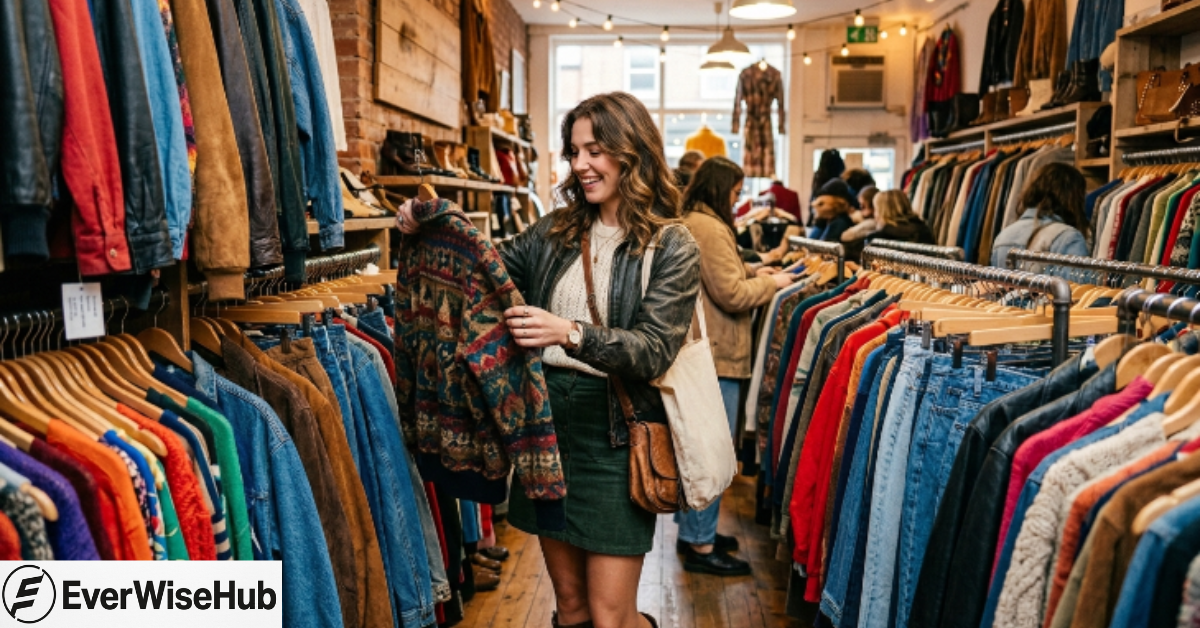
Picture this: you’re walking through a thrift store on a rainy Saturday, flipping through a rack of clothes that look like someone’s forgotten closet — and then you see it. A perfectly tailored blazer. Rich camel wool. Barely worn. And the price tag? Four dollars.
That moment is what thrift store shopping is all about. It’s a treasure hunt, and once you know what you’re doing, the treasures come faster and more often than you’d ever expect.
Vintage thrift store finds tips aren’t just useful — they’re genuinely life-changing for your wardrobe and your wallet. In an era where fast fashion has made everything feel disposable and same-y, thrifting is the answer for anyone who wants to dress with real personality. The sustainable fashion movement has pushed millions of people toward second-hand shopping, and honestly? The quality of what you can find has never been better.
Whether you’ve never stepped inside a thrift store or you’ve been going for years without much luck, this guide will walk you through everything — from knowing where to look, to identifying quality pieces, to building outfits that look genuinely chic. Let’s get into it.
What Are Vintage Thrift Store Finds? Understanding the Art of Second-Hand Shopping
Thrift store shopping sounds simple: you go in, you dig around, you buy something cheap. But the reality of scoring great vintage thrift store finds is a skill — and like any skill, it gets dramatically better when you understand what you’re actually doing.
“Vintage” technically refers to clothing made between 20 and 100 years ago. “Thrift” refers to the store type — donation-based resale shops, consignment stores, estate sale outlets, and charity shops. When you combine the two, you’re looking for older garments at affordable prices, which is very different from just buying any old thing off a rack.
The beauty of thrift shopping lies in the surprise. Inventory changes daily in most shops, which means every visit is genuinely different. A piece that wasn’t there last Tuesday might be hanging front and center next weekend.
The practice has a long history — Americans have been buying second-hand since at least the Great Depression — but it gained serious cultural momentum in the 1990s and has exploded in the last decade thanks to social media. Platforms like TikTok and Instagram turned thrift hauls into content, and suddenly “thrifted” became a compliment rather than something to hide.
Understanding this world helps you go in with the right mindset: patience, curiosity, and a willingness to look past surface-level messiness to find the gold underneath.
Why Vintage Thrift Store Finds Are Having a Major Moment
Thrifting isn’t just trendy — it’s culturally significant right now. And there are real reasons why vintage thrift store finds have become the preferred way to shop for a growing number of fashion-forward people.
Sustainability is the biggest driver. The fashion industry is one of the world’s largest polluters, and younger consumers especially are pushing back. Buying second-hand directly reduces demand for new production. Every jacket you pull from a thrift rack is one that doesn’t end up in a landfill, and one less new garment that needed to be manufactured, shipped, and packaged.
Then there’s the money side of it. With the cost of living climbing steadily, stretching a clothing budget matters. You can build a genuinely impressive wardrobe for a fraction of what you’d spend at a traditional retailer.
Celebrity culture has played a role too. Stylists for major artists like Harry Styles, Rihanna, and Zendaya regularly incorporate vintage pieces into red carpet looks. When fashion’s most-watched people embrace second-hand style, it signals something important: thrifted isn’t second-best. It’s often first-rate.
Seasonally, thrift stores are goldmines. Looking for a cozy knit in autumn? A linen blazer for summer? Shoppers who donated last season’s pieces fill the racks with exactly what you’re searching for, often in excellent condition. Timing your visits around seasonal transitions is one of the best vintage thrift store finds tips you can use immediately.
Types of Thrift Store Finds Worth Looking For
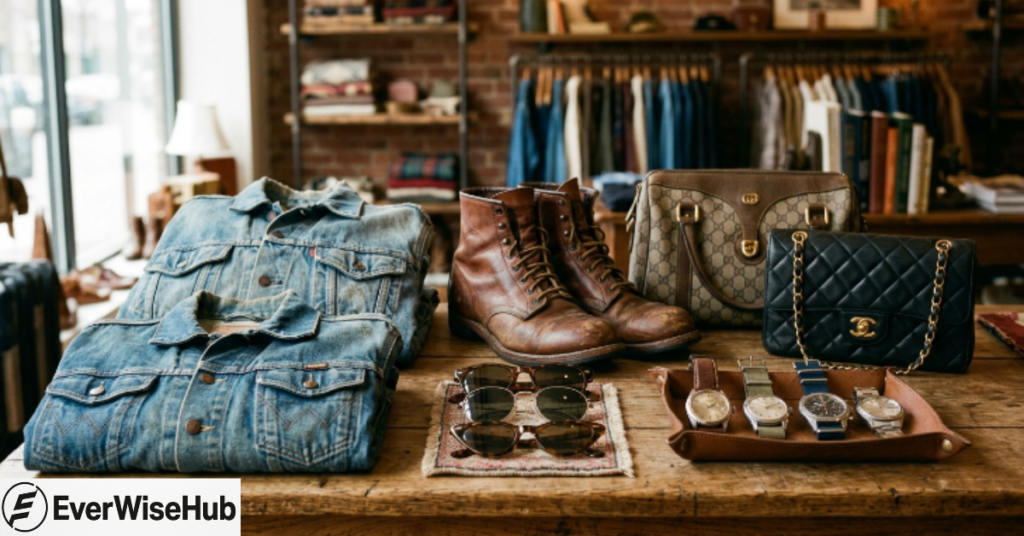
Not everything at a thrift store deserves equal attention. Knowing which categories tend to yield the best results saves you time and helps you shop with real intention.
Classic Denim
Denim is arguably the single best category for thrift shopping. Older jeans, especially from the 80s, 90s, and early 2000s, were made with heavier, higher-quality denim than what’s produced today. Levi’s, Wranglers, and Lee are the brands to watch for — original vintage pairs from these labels often sell for hundreds of dollars on resale platforms, so finding one at a thrift store for a few bucks is a genuine score. Look for high waists, straight legs, and real indigo dye that fades beautifully over time.
Blazers and Structured Jackets
Nothing elevates an outfit faster than a well-cut blazer, and thrift stores are overflowing with them. The key is construction — older blazers, especially those made in the USA or Europe before the 1990s, were built with real structure: canvas interfacing, proper shoulder pads, and substantial fabrics. Check the lining for the country of origin and fabric content. Wool and wool-blend blazers are the jackpot.
Knitwear and Sweaters
Wool, cashmere, and cotton knits hold up incredibly well over time, which makes thrift stores brilliant for finding them. A cashmere sweater that retails for $300 new might show up on a thrift rack for $8. Check for pilling (moderate pilling can be removed with a fabric shaver), moth holes, and stretched-out necklines. Otherwise, vintage knitwear is often sturdier and softer than modern fast-fashion alternatives.
Statement Accessories
Belts, scarves, bags, and jewelry are easy wins at thrift stores. Leather belts from older decades are made with full-grain leather rather than the bonded leather used in cheap modern options. Silk scarves — especially anything that feels weighty and smooth — can be extraordinary finds. And vintage costume jewelry, when you find the right piece, adds the kind of character money genuinely can’t buy at a regular retailer.
Workwear and Vintage Uniforms
This one surprises people. Old workwear — chore coats, mechanic shirts, trucker jackets — has been a cornerstone of cool for decades. These pieces were made to withstand physical labor, so the construction is exceptional. Finding an old Dickies work jacket or a vintage railroad shirt at a thrift store is a genuinely exciting moment for anyone who knows what they’re looking at.
How to Choose the Right Vintage Thrift Store Finds for Your Style and Budget
Finding great pieces is one thing. Choosing the right ones for you specifically is another skill altogether.
Know Your Measurements Before You Go
Vintage sizing is wildly inconsistent. A size 12 from the 1970s is not the same as a size 12 today — it’s often considerably smaller. Bring a flexible measuring tape and know your bust, waist, hip, and inseam measurements. Try everything on, or at least hold it up carefully against your body. Don’t trust the label.
Set a Budget and Stick to It
It’s easy to get swept up in the thrill of a thrift store and buy ten things you don’t really need. Before you walk in, decide what you’re willing to spend. A useful framework: give yourself a per-item cap (say, $15 for clothing, $20 for outerwear) and a session total. This keeps the experience fun rather than financially stressful.
Shop for Gaps in Your Wardrobe, Not Impulse Finds
The most effective thrifters shop with intention. Do you need a good winter coat? A work-appropriate bag? A white button-down that actually fits? Go in with those specific goals. You’ll still discover unexpected gems, but shopping with purpose stops you from accumulating a pile of things that never quite work with anything you already own.
Consider What Can Be Altered
Don’t immediately dismiss something because the fit isn’t perfect. Hems can be shortened. Waists can be taken in. Buttons can be replaced. Basic tailoring is affordable and can completely transform a garment. Ask yourself: is this the right fabric, the right color, the right silhouette — and if the answer is yes, a little tailoring might be all it needs.
How to Style Vintage Thrift Store Finds: Expert Styling Tips
Finding something great is only half the equation. Knowing how to wear it is where the real magic happens.
Mix your thrift finds with current, modern basics. A vintage band tee looks intentional and cool tucked into a sleek pair of wide-leg trousers from a contemporary brand. The contrast between old and new is part of what makes thrifted outfits look curated rather than costume-y. You’re not trying to dress entirely in one era — you’re creating a personal style language.
Pay attention to proportion. Vintage silhouettes don’t always match modern proportions, which is actually an opportunity. A boxy, oversized vintage knit looks amazing with high-waisted straight-leg jeans. A fitted 70s blazer works brilliantly over a flowy dress. Use the proportions of what you found to guide what you pair it with.
Don’t underestimate the power of a great vintage belt. It can define a waistline, add texture, and completely change the energy of an outfit. A braided leather belt from a thrift store can do more visual work than an expensive statement necklace.
Color matters more with vintage pieces because the dyes used in older garments have a particular quality — warmer, slightly more muted — that often doesn’t pair well with very synthetic, bright modern colors. If you’re styling a vintage piece, reach for earthy tones, cream, olive, rust, and navy to complement the natural color profile of older fabrics.
Finally, let one vintage piece be the star. Build the rest of the outfit around it. If you’ve found a stunning 1970s suede jacket, keep everything else simple and let the jacket speak.
Common Mistakes to Avoid When Thrift Shopping
Even experienced thrifters fall into patterns that limit what they find. Here are the most common ones to watch out for.
Rushing is probably the biggest mistake of all. Thrift stores reward patience. If you blow through in twenty minutes, you’ll miss pieces that were right in front of you. Give yourself at least an hour, and go through every rack rather than scanning from a distance.
Ignoring items because of one small flaw is another mistake people make constantly. A missing button is a five-minute fix. A small stain on the inside hem is invisible when worn. A loose thread can be trimmed. Learn to see past minor imperfections to the quality of the piece underneath — that’s where the real vintage thrift store finds tips earn their keep.
Shopping only in your size section will limit you more than you think. Many thrift stores sort loosely or inconsistently. Great pieces end up in the wrong section all the time. Browse adjacent sizes and different sections — menswear especially can yield oversized blazers, roomy shirts, and great denim for people who don’t typically shop in that department.
What to Look for When Shopping for Vintage Thrift Store Finds
Walking into a thrift store without a quality-checking framework means you’ll either miss great pieces or bring home things that fall apart. These are the key things to assess before you buy anything.
Check the fabric content label first. Natural fibers — wool, cotton, silk, linen, cashmere — age well and breathe beautifully. Synthetic blends from certain decades (especially heavily polyester pieces from the 70s and 80s) can pill badly and trap odor. There are exceptions — some vintage poly blends are incredible — but in general, natural fibers are a safer bet.
Inspect the construction. Turn the garment inside out and look at the seams. Double-stitched or French seams indicate quality construction. Check the lining of coats and jackets — a well-lined garment is a well-made one. Look at buttons and buttonholes: fabric-covered buttons and well-finished buttonholes are signs of a higher-end original piece.
Check for damage in these spots specifically: underarms (for yellowing or worn fabric), collar edges (for fraying), hem edges (for unraveling), and zipper function. These are the areas that fail most often on older garments, and they’re usually visible within thirty seconds if you know to look.
When it comes to pricing, most established thrift stores price fairly, but boutique-style vintage shops price items for their fashion value, which can be significantly higher. Know the difference going in, and know whether you’re getting a bargain or paying close to market rate.
FAQs
How do I know if something is actually vintage or just old?
Real vintage pieces usually have clues in the label — country of manufacture (look for “Made in USA,” “Made in England,” or country labels that no longer exist), older font styles on brand tags, and union labels (common in American-made garments from the 1940s through the 1980s). The fabric and construction will also feel noticeably different — heavier, denser, more carefully finished than modern garments. It takes a little time to train your eye, but it becomes second nature quickly.
How often should I go thrift shopping to find the best stuff?
The answer depends on how much time you have, but regular visits beat occasional deep dives almost every time. Most thrift stores receive donations and restock racks daily or several times a week. Shoppers who visit frequently — even for short trips — consistently find better pieces than those who go once a month expecting to cover everything in one session. If possible, visit on weekdays: donations often process over the weekend and hit the floor Monday through Wednesday.
Is it worth buying shoes at thrift stores?
Sometimes, yes — but with some caution. Leather shoes that are structurally sound can often be cleaned, conditioned, and resoled for years of additional wear. Look for shoes with intact soles, no separated uppers, and minimal creasing in the toe box. Avoid anything with a broken heel or heavily compressed insole. Athletic shoes are generally not worth buying second-hand unless they’re very lightly worn — the cushioning degrades with use even if the exterior looks fine.
How do I deal with the smell that thrifted clothes sometimes have?
Thrift store smell is real, and it’s almost always fixable. Most garments respond well to a regular wash cycle with a half-cup of white vinegar added to the rinse. For items that can’t be machine washed, airing outside for 24 to 48 hours handles the majority of odors. Dry cleaning is worth the investment for special vintage pieces that need it. Baking soda in a sealed bag with the garment overnight can also pull out stubborn odors before washing.
Can I find designer pieces at thrift stores?
Absolutely — and this is one of the most exciting parts of vintage thrift store finds tips. Designer pieces turn up at thrift stores more often than most people expect, particularly in affluent neighborhoods where donors have higher-end wardrobes. The key is knowing what real designer construction and labeling looks like (do your research on specific labels you love), and checking carefully for authenticity markers. Not everything claiming a designer name is real, but genuine finds happen regularly for shoppers who know what to look for.
Conclusion
Thrift shopping is genuinely one of the most rewarding ways to build a wardrobe. It rewards curiosity, patience, and a little bit of knowledge — which is exactly what these vintage thrift store finds tips were designed to give you. You don’t have to spend a lot of money to dress well. You just have to know where to look and what you’re looking at.
The best thing you can take from this guide is permission to slow down and really engage with the process. The joy of thrifting isn’t just in what you find — it’s in the hunt itself. Every rack is a mystery, and every visit gives you another chance to discover something that feels uniquely yours.
Go explore. Trust your instincts. Check those labels. And when you find that perfect piece — and you will — wear it with the confidence of someone who knows exactly what they’ve got. Then come back and do it all over again. That’s the secret the best thrifters know: the store is always changing, and so is your eye for what’s worth finding.